

Blog
Best Foods to Boost Your Immune System Naturally

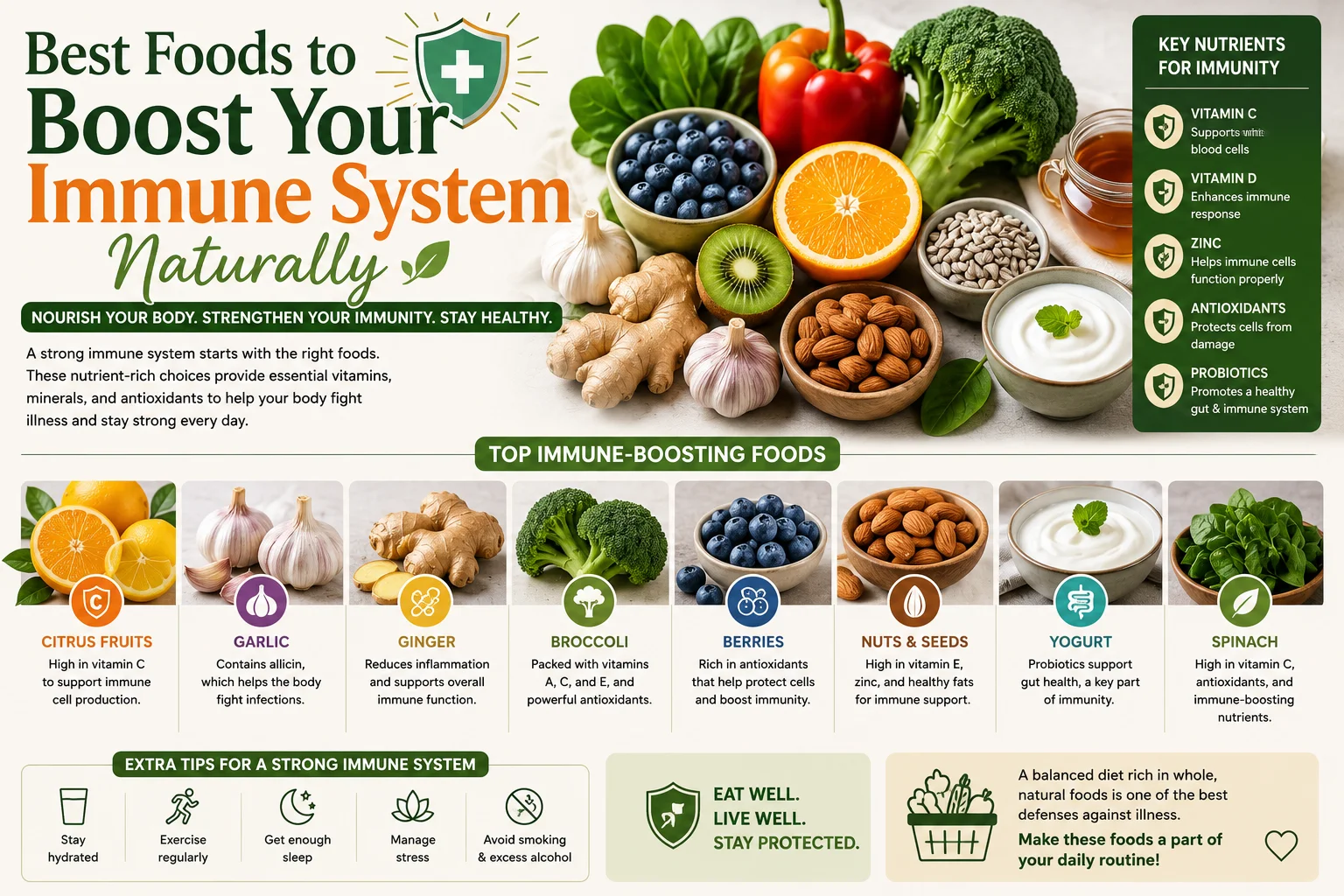
The human immune system is one of the most complex, highly coordinated biological networks in existence. Operating quietly in the background of our daily lives, this protective shield works twenty-four hours a day, seven days a week, to defend our bodies against a constant barrage of external threats, including bacteria, viruses, fungi, toxins, and environmental pollutants.
When your immune system is operating at peak efficiency, you rarely notice it. However, when it becomes compromised, sluggish, or nutrient-deprived, the consequences manifest quickly: frequent colds, prolonged recovery times, persistent fatigue, and a general vulnerability to seasonal illness.
While many commercial products, quick-fix supplements, and wellness trends promise immediate “immune-boosting” miracles, the fundamental truth of immunology is far more grounded: true, resilient immunity cannot be bought in a pill; it must be cultivated systematically from within.
The absolute best way to strengthen this complex defense system is through a consistent, nutrient-rich, and balanced healthy diet (نظام غذائي صحي). What you put on your plate serves as the raw, biological fuel your body uses to produce, train, and mobilize immune cells.
By incorporating specific, scientifically proven immune-boosting foods (الأطعمة التي تعزز المناعة) into your daily routine, you provide your body with the exact building blocks, antioxidants, minerals, and vitamins for immunity needed to build a powerful defense system.
This comprehensive guide takes a deep dive into the nutritional science of immunology. It explores the inner workings of your body’s defenses, catalogs the most potent foods for immunity, and provides a practical, evidence-based blueprint for naturally transforming your health through the power of nutrition.
Part 1: Anatomy of the Immune System – How Food Fueling Works
To understand how food directly affects your immune response, it is helpful to visualize the immune system as a highly specialized military force. This force is divided into two primary, interconnected divisions: the Innate Immune System and the Adaptive Immune System.
1. The Innate (Non-Specific) Immune System
This is your body’s rapid-response unit. It acts as the first line of defense, reacting to any foreign invader within minutes or hours.
-
Physical and Chemical Barriers: The skin, the acid in your stomach, and the sticky mucous membranes lining your respiratory and digestive tracts.
-
Cellular Defenders: Cells like macrophages, neutrophils, and natural killer (NK) cells. These cells act like patrol officers, engulfing and destroying general invaders before they can multiply and cause infection.
-
The Nutritional Link: The structural integrity of these physical barriers depends heavily on nutrition. For example, a severe lack of Vitamin A weakens the mucous membranes in your lungs, making it much easier for respiratory viruses to enter your body.
2. The Adaptive (Specific) Immune System
If an invader breaches the innate defenses, the adaptive immune system is mobilized. This is your highly trained, specialized tactical unit.
-
Targeted Defense: Adaptive cells—specifically B-lymphocytes (B-cells) and T-lymphocytes (T-cells)—identify the exact molecular signature (antigen) of a specific virus or bacterium.
-
Antibody Production: B-cells create custom-designed antibodies to neutralize the specific threat, while T-cells track down and destroy infected cells.
-
Immunological Memory: Crucially, the adaptive system remembers the invader. If you encounter the same pathogen years later, your body destroys it instantly before you even show symptoms.
-
The Nutritional Link: Producing millions of new, highly specialized immune cells and antibodies requires a massive amount of energy, protein, and micro-nutrients. Without a constant supply of essential minerals and vitamins for immunity, your adaptive response slows down, giving pathogens the upper hand.
Part 2: The Essential “Immunity Toolkit” – Critical Vitamins and Minerals
Before looking at specific foods, let us identify the primary biological tools your immune cells rely on to do their jobs. When we talk about eating a healthy diet to ward off illness.
A. Vitamin C: The Cellular Protector
Vitamin C (ascorbic acid) is perhaps the most famous immune-supporting nutrient, and for good reason. It is a powerful water-soluble antioxidant that accumulates in high concentrations inside phagocytic immune cells, boosting their ability to seek out and destroy pathogens.
-
How it works: Vitamin C stimulates the production and function of white blood cells. It also protects these vital immune cells from self-destruction by neutralizing the toxic free radicals they produce while fighting off infections.
-
Daily Need: Because your body cannot produce or store Vitamin C, you must consume it daily through fresh foods to maintain optimal levels.
B. Vitamin D: The Immune System Regulator
Often called the “sunshine vitamin,” Vitamin D behaves more like a hormone than a vitamin. It plays a critical regulatory role in almost every aspect of your immune response.
-
How it works: Vitamin D binds to receptors on T-cells and macrophages, signaling them to produce essential antimicrobial peptides (like cathelicidin). These peptides destroy the cellular membranes of invading bacteria and viruses.
-
Preventing Hyper-Inflammation: Crucially, Vitamin D helps modulate your immune response. It prevents immune cells from overreacting and releasing too many inflammatory proteins (cytokines), which can lead to chronic tissue damage.
C. Zinc: The Master Mineral of Cell division
Zinc is an essential trace mineral that acts as a biological gatekeeper for your immune system. Because it plays a major role in cell growth and division, even a mild zinc deficiency can severely compromise your defense network.
-
How it works: Zinc is required for the development and activation of T-lymphocytes. It is also a key component of an enzyme called superoxide dismutase, which protects your cells from oxidative damage during an infection.
D. Vitamin A: The Shield Builder
Vitamin A is vital for maintaining the structural integrity of your body’s physical barriers.
-
How it works: It regulates the gene expression required for the growth and repair of epithelial cells. These cells form the physical barrier of your skin, lungs, stomach, and gut, preventing pathogens from entering your bloodstream in the first place.
Part 3: The Top Immune-Boosting Foods to Add to Your Plate
Now that we understand the science of immunological nutrition, let us explore the actual foods for immunity that provide these vital nutrients.
1. Citrus Fruits: The Classic Vitamin C Powerhouses
When people feel a cold coming on, they often reach for citrus fruits. This instinct is backed by solid nutritional science.
The Citrus Family Tree:
-
Grapefruits: Excellent source of Vitamin C and a unique flavonoid called naringenin, which has been shown to reduce systemic inflammation.
-
Oranges and Mandarins: Provide a highly bioavailable dose of Vitamin C along with dietary fiber, which supports gut health.
-
Lemons and Limes: Perfect for adding a zesty, immune-supporting kick to your morning water, salad dressings, or teas.
How to Maximize the Benefits:
-
Eat the Whole Fruit: Whenever possible, eat the whole fruit rather than just drinking the juice. Whole citrus fruits contain fiber and bioflavonoids in the pulp and white pith, which slow down sugar absorption and help your body absorb Vitamin C more efficiently.
-
Avoid Over-heating: Vitamin C is highly sensitive to heat. To preserve this delicate nutrient, add fresh lemon or lime juice to cooked dishes after you have taken them off the stove.
2. Red Bell Peppers: The Secret Vitamin C Superstars
While citrus fruits get all the fame for Vitamin C, red bell peppers are actually far more potent.
Additional Nutritional Benefits:
-
Rich in Beta-Carotene: Red bell peppers are packed with beta-carotene, an organic pigment that your body converts into Vitamin A. Beta-carotene is also a strong antioxidant that helps keep your eyes, skin, and mucosal tissues healthy.
-
Packed with Vitamin B6: Vitamin B6 is essential for supporting vital biochemical reactions in your immune system, particularly the production of new antibodies.
3. Garlic: The Natural Antimicrobial Defender
Garlic has been used for thousands of years as both a culinary staple and a medicinal remedy. Modern clinical trials have confirmed its potent immune-supporting and antimicrobial properties.
The Chemistry of Garlic:
-
Allicin: When garlic is crushed, chopped, or chewed, an enzyme called alliinase converts alliin into allicin. This sulfur-containing compound gives garlic its distinct scent and acts as a powerful antimicrobial agent.
-
Boosting White Blood Cell Activity: Studies show that allicin increases the activity of macrophages and T-cells, helping them neutralize common cold and flu viruses more effectively.
How to Prepare Garlic for Maximum Potency:
To get the most immune-boosting power out of your garlic, use the “Chop and Wait” technique
-
Why wait? Allicin is created by an enzymatic reaction that takes a few minutes to complete. If you throw chopped garlic directly into a hot pan immediately, the heat will destroy the enzyme before it can produce allicin. Letting the chopped garlic rest for 10 minutes allows the beneficial compounds to form, making them highly stable and heat-resistant during cooking.
4. Ginger: The Anti-Inflammatory Root
Ginger is another ancient root widely valued for its therapeutic properties. It is particularly effective for soothing sore throats, reducing nausea, and keeping systemic inflammation in check.
The Power of Gingerols:
-
Bioactive Compounds: Ginger’s main bioactive compound is gingerol, which has powerful anti-inflammatory and antioxidant effects.
-
Combating Chronic Inflammation: While acute inflammation is a healthy sign that your immune system is fighting off an invader, chronic, low-grade inflammation can exhaust your immune cells. By keeping overall inflammation down, ginger allows your immune system to focus its energy on active threats.
-
Therapeutic Warmth: Ginger has mild thermogenic properties. Drinking hot ginger tea can help warm the body from the inside out, promote sweating, and ease congestion when you are feeling under the weather.
5. Spinach and Cruciferous Greens: The Nutrient-Dense Foundations
Leafy green vegetables—such as spinach, kale, Swiss chard, and broccoli—are the nutritional foundations of a robust healthy diet.
A. Spinach: The Complex Defender
Spinach is not only rich in Vitamin C, but it also contains numerous antioxidants and essential minerals.
-
Loaded with Folate (Vitamin B9): Folate is vital for DNA synthesis and repair. It is particularly important for producing and multiplying new white blood cells during an active immune response.
-
High in Lutein and Zeaxanthin: These powerful carotenoids protect your body’s cells from oxidative stress and environmental toxins.
B. Broccoli: The Sulforaphane Powerhouse
Broccoli is one of the most nutrient-dense vegetables on the planet, packed with vitamins A, C, and E, as well as fiber and potent antioxidants.
-
Sulforaphane: Broccoli is rich in a sulfur compound called sulforaphane. Research indicates that sulforaphane activates key antioxidant pathways in the body, helping to reduce inflammation and protect delicate lung tissues from respiratory infections.
-
Gentle Cooking is Key: To keep the beneficial enzymes in broccoli intact, cook it as little as possible. Quick steaming (for 3 to 4 minutes) or a light stir-fry is much better than boiling, which can leach valuable water-soluble vitamins into the water.
6. Yogurt and Fermented Foods: Nurturing Your Gut Microbiome
Did you know that 70% to 80% of your immune system lives in your gut? The lining of your digestive tract is home to trillions of beneficial bacteria, collectively known as the gut microbiome. These friendly microbes play an essential role in training and regulating your immune cells.
The Power of Probiotics:
Probiotic-rich foods introduce beneficial bacteria directly into your digestive tract, helping to crowd out harmful pathogens and strengthen your gut barrier.
-
Greek Yogurt: Look for yogurts labeled with “live and active cultures.” These cultures populate your gut with beneficial bacteria, helping to stimulate your immune response.
-
Kefir: A fermented milk drink that is even richer in diverse probiotic strains than traditional yogurt.
-
Sauerkraut and Kimchi: Fermented cabbage dishes that provide a double benefit: they deliver live probiotic bacteria along with prebiotic fiber, which helps feed the beneficial microbes already living in your gut.
7. Almonds and Seeds: Vitamin E and Healthy Fats
While Vitamin C gets most of the attention, Vitamin E is equally critical for a healthy immune response.
The Importance of Vitamin E:
-
Fat-Soluble Shield: Unlike Vitamin C, Vitamin E is fat-soluble. It embeds itself directly into the fatty membranes of your immune cells, protecting them from lipid peroxidation and oxidative damage.
-
Synergistic Action: Vitamin E works in perfect harmony with Vitamin C, helping to recycle and regenerate other antioxidants in the body to maximize your cellular defense.
The Best Sources:
-
Almonds: A half-cup serving of whole, unpeeled almonds provides nearly 100% of your daily recommended intake of Vitamin E. The healthy monounsaturated fats in almonds also help your body absorb this fat-soluble vitamin efficiently.
-
Sunflower Seeds: Exceptionally high in Vitamin E, selenium, and magnesium. Selenium is a powerful trace mineral that plays a key role in regulating your body’s immune and inflammatory responses.
8. Turmeric: The Golden Curcumin Healer
Turmeric is a vibrant yellow spice that has been a cornerstone of traditional Ayurvedic medicine for thousands of years.
Curcumin and Your Immune Health:
-
The Active Compound: The secret to turmeric’s healing power is curcumin, a highly bioactive polyphenol with remarkable anti-inflammatory and antioxidant properties.
-
Modulating Immune Cell Activity: Studies suggest that curcumin can interact directly with T-cells, B-cells, and macrophages, helping to balance their activity and prevent the immune system from overreacting.
The Golden Rule of Turmeric Absorption:
Curcumin is naturally difficult for the human body to absorb. To unlock its full health benefits, always pair turmeric with Black Pepper:
-
How it works: Black pepper contains an alkaloid called piperine. Piperine temporarily slows down the liver’s ability to metabolize curcumin, allowing it to enter your bloodstream where your body can actually use it.
9. Green Tea: Rich in L-Theanine and EGCG
Both black and green teas are rich in antioxidants, but green tea is especially beneficial for supporting your immune health.
The Power of Catechins and Amino Acids:
-
EGCG (Epigallocatechin Gallate): Green tea is packed with EGCG, a powerful catechin that has been shown to protect cells from damage and inhibit the replication of common pathogens.
-
L-Theanine: Green tea contains an amino acid called L-theanine. Research indicates that L-theanine helps prime your T-cells, enabling them to respond to invading pathogens much more quickly and effectively.
10. Poultry and Bone Broth: Cellular Repair and Hydration
There is a scientific reason why warm chicken soup is the ultimate comfort food when you are sick.
The Science of Chicken Soup:
-
High in Vitamin B6: Poultry (such as chicken and turkey) is an excellent source of Vitamin B6. This vitamin is vital for forming new red and white blood cells, as well as metabolizing proteins.
-
Bone Broth Benefits: Slowly simmering chicken bones releases gelatin, collagen, and essential amino acids (like glutamine and glycine) into the broth. These compounds are highly soothing and help repair the delicate mucosal lining of your gut, supporting both digestive and immune health.
-
Mild Decongestion: The warm steam from chicken soup helps thin out mucus in your nasal passages, easing congestion and making it easier to breathe.
Part 4: Comprehensive Nutrient Matrix for Immunity
To help you design an effective, daily healthy diet, we have compiled a detailed, scannable breakdown of key vitamins, their primary immune benefits, and the best whole-food sources to find them in.
| Nutrient | Primary Immune Function | Key Dietary Sources | Recommended Daily Value (Adults) |
| Vitamin C | Stimulates white blood cells; acts as a powerful cellular antioxidant. | Citrus fruits, red bell peppers, broccoli, kiwi, strawberries. | 75mg – 90mg |
| Vitamin D | Regulates T-cell activation; triggers antimicrobial peptide production. | Fatty fish (salmon, mackerel), egg yolks, UV-exposed mushrooms, sunlight. | 600 IU – 800 IU |
| Vitamin A | Maintains mucosal linings; builds strong physical barriers against infection. | Sweet potatoes, carrots, spinach, butternut squash, beef liver. | 700mcg – 900mcg RAE |
| Vitamin E | Protects cell membranes from oxidative stress and free radical damage. | Almonds, sunflower seeds, avocados, spinach, wheat germ oil. | 15mg |
| Zinc | Vital for T-lymphocyte development and rapid white blood cell division. | Oysters, pumpkin seeds, lean beef, chickpeas, lentils. | 8mg – 11mg |
| Selenium | Regulates inflammatory responses; prevents cellular damage. | Brazil nuts, tuna, halibut, eggs, sunflower seeds. | 55mcg |
| Probiotics | Populates the gut microbiome; trains and regulates immune cells. | Greek yogurt, kefir, sauerkraut, kimchi, miso, tempeh. | Variable (Aim for daily servings) |
Part 5: Beyond Food – The Lifestyle Pillars of a Strong Immune System
While eating a nutrient-rich, healthy diet is the foundation of a robust immune system, your daily habits play an equally important role in determining how well your body can defend itself.
A. Prioritize High-Quality Sleep
Sleep is not a luxury; it is an active period of healing and immune regulation. While you sleep, your immune system releases specialized proteins called cytokines.
-
The Danger of Sleep Deprivation: If you do not get enough sleep, your body produces fewer protective cytokines and infection-fighting antibodies. Studies show that people who sleep fewer than 7 hours per night are up to three times more likely to catch a cold when exposed to a virus compared to those who get 8 hours of sleep.
-
Establish a Routine: Aim for 7 to 9 hours of quality sleep per night. Keep your bedroom cool, dark, and free of blue-screen devices for at least an hour before bed.
B. Manage Your Stress Levels
Chronic psychological stress is a quiet enemy of your immune health. When you are constantly stressed, your body produces high levels of a hormone called cortisol.
-
How Stress Compromises Immunity: Over time, elevated cortisol levels make your immune cells less sensitive to hormone signals. This can trigger chronic inflammation and decrease the production of the white blood cells needed to fight off acute infections.
-
Simple Stress Relief: Incorporate simple, daily stress-management practices into your routine—such as deep-breathing exercises, meditation, walking in nature, or reading a book.
C. Stay Active with Regular Exercise
Physical activity is a powerful way to boost your immune defenses.
-
Improving Cell Circulation: Moderate exercise—such as a brisk 30-minute walk, cycling, or swimming—increases blood flow and lymphatic circulation. This helps your white blood cells travel quickly throughout your body, allowing them to detect and neutralize potential threats much sooner.
-
Avoiding Overtraining: While moderate exercise is fantastic for your immune system, extreme, high-intensity workouts without proper recovery can temporarily suppress your immune defenses. Listen to your body and prioritize rest days.
Part 6: An Immune-Boosting Meal Plan (A Perfect Day of Nutrition)
To show you how easy and delicious it can be to incorporate these immune-boosting foods into your daily routine, we have put together a simple, one-day meal plan packed with essential vitamins, healthy fats, and antioxidants.
Morning Wake-Up Ritual
-
Warm Lemon-Ginger Elixir: Squeeze half a fresh lemon into warm water, and add a few thin slices of fresh ginger root and a tiny pinch of cayenne pepper. This simple drink hydrates your body, stimulates digestion, and provides an immediate dose of Vitamin C.
Breakfast
-
Probiotic-Rich Yogurt Bowl: A bowl of plain, unsweetened Greek yogurt topped with a handful of antioxidant-rich fresh blueberries, sliced strawberries, and a tablespoon of pumpkin seeds (for zinc). Drizzle with raw, organic honey, which has natural antibacterial properties.
Lunch
-
The Ultimate Greens & Salmon Salad: A generous bed of fresh spinach and baby kale topped with grilled wild-caught salmon (rich in Vitamin D and Omega-3 fatty acids), sliced red bell peppers, cherry tomatoes, and diced avocado. Dress your salad with extra-virgin olive oil, fresh lemon juice, and a pinch of black pepper.
Afternoon Snack
-
Almond & Seed Mix: A handful of raw, unsalted almonds (rich in Vitamin E) paired with a warm cup of organic green tea.
Dinner
-
Warm Chicken-Garlic-Broccoli Bowl: A comforting bowl of homemade chicken bone broth simmered with fresh garlic, grated ginger, and turmeric. Add tender shredded chicken breast, carrots, and gently steamed broccoli florets. Serve with a small side of brown rice or quinoa.
Part 7: Step-by-Step Grocery List for Ultimate Immunity
When you are ready to stock your kitchen with these health-promoting ingredients, use this practical, comprehensive grocery checklist to guide your next shopping trip:
-
[ ] Produce (Fresh Fruits & Veggies)
-
Red and yellow bell peppers (high in Vitamin C and beta-carotene).
-
Citrus fruits (oranges, grapefruits, lemons, and limes).
-
Dark leafy greens (spinach, kale, and Swiss chard).
-
Cruciferous vegetables (broccoli, Brussels sprouts, and cauliflower).
-
Fresh ginger root and garlic bulbs.
-
Sweet potatoes and carrots (packed with Vitamin A).
-
-
[ ] Proteins & Seafood
-
Wild-caught salmon, mackerel, or sardines (for Vitamin D and Omega-3s).
-
Organic chicken or turkey (rich in Vitamin B6).
-
Grass-fed beef or oysters (excellent sources of Zinc).
-
-
[ ] Pantry & Superfoods
-
Raw, unsalted almonds and sunflower seeds (packed with Vitamin E).
-
Pumpkin seeds (for Zinc and magnesium).
-
Green tea leaves or matcha powder.
-
Ground turmeric and whole black peppercorns.
-
Raw, organic honey.
-
-
[ ] Refrigerated & Fermented Foods
-
Unsweetened Greek yogurt or kefir (containing live and active cultures).
-
Raw sauerkraut or kimchi (for natural gut-supporting probiotics).
-
Pasture-raised eggs (for Vitamin D and selenium).
-
Your immune system is a remarkably complex and highly coordinated shield that works tirelessly to protect you every single day. While no single food can instantly cure an illness or act as a magical barrier against germs, consistently nourishing your body with a diverse, nutrient-rich healthy diet is the single most effective way to build strong, resilient defenses.
By filling your plate with fresh citrus fruits, vibrant bell peppers, anti-inflammatory herbs like garlic and ginger, gut-supporting probiotics, and healthy fats rich in Vitamin E, you provide your immune cells with the exact biological tools they need to protect you.
When you combine this nutritional foundation with healthy daily habits—like deep, restorative sleep, regular moderate exercise, and mindful stress management—you empower your body to maintain peak health, naturally ward off seasonal illnesses, and thrive with vitality all year round.