

Blog
Are Pets Safe for Young Children?

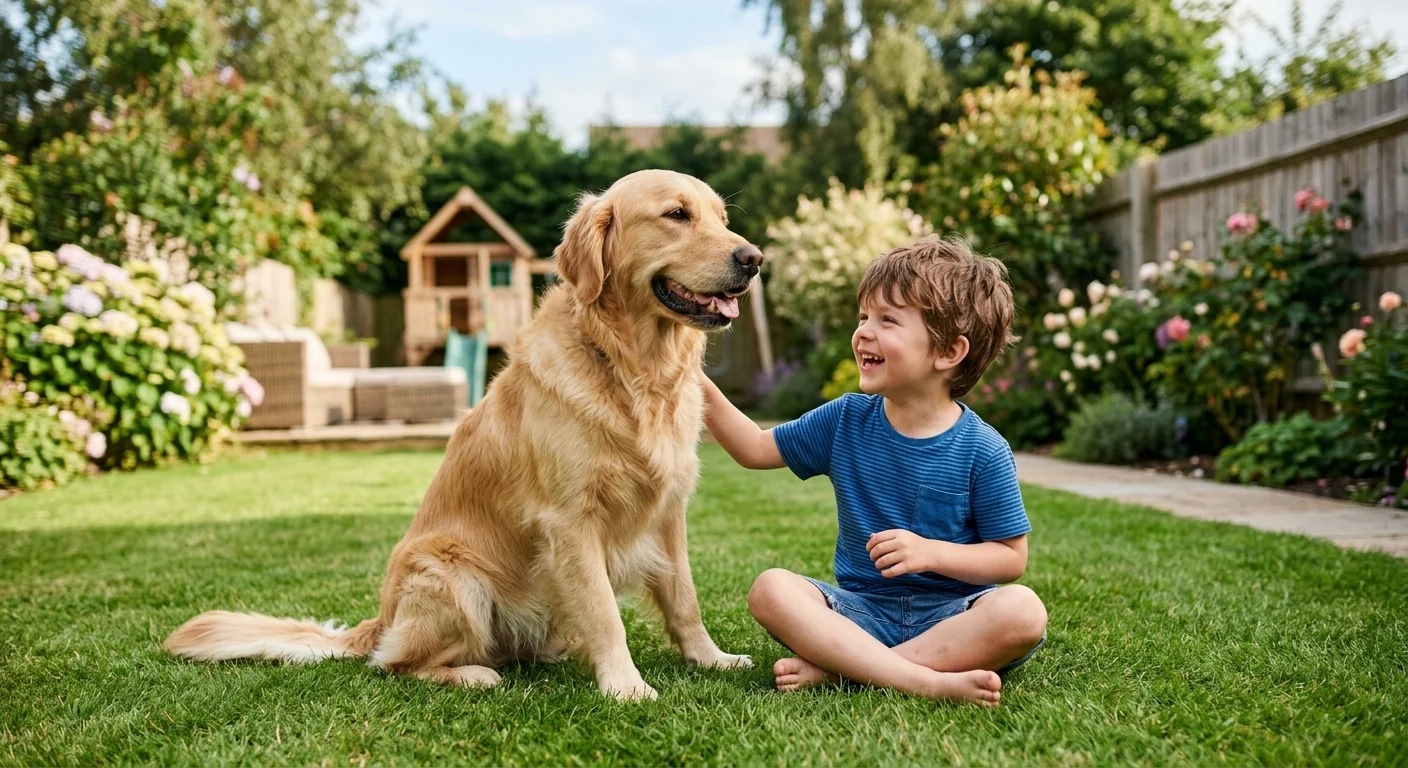
Pets can become an important part of family life, especially when children grow up alongside animals. Dogs, cats, rabbits, birds, and other household pets can provide companionship, encourage responsibility, and create opportunities for children to learn about empathy and respect for living things. At the same time, having animals around young children requires thoughtful supervision, appropriate boundaries, and an understanding of animal behavior.
The question of whether pets are safe for young children does not have one universal answer. Safety depends on several factors, including the child’s age, the animal’s temperament, the type and size of the pet, the child’s behavior around animals, the home environment, and the level of adult supervision.
Young children may not always understand when an animal wants to be left alone. They may pull a dog’s tail, hug a cat tightly, approach an animal while it is eating, or make sudden movements that frighten a pet. Even a normally calm family pet can react defensively if it feels threatened, frightened, uncomfortable, or in pain.
For this reason, introducing pets into a household with children should involve preparation rather than relying only on the animal’s friendly personality.
With appropriate precautions, many families successfully raise children with pets. The goal is not to eliminate every possible risk but to create an environment where both the child and the animal can feel comfortable and safe.
read more about natural immune boosters
Benefits of Raising Children With Pets
Pets Can Teach Responsibility
One of the most commonly discussed benefits of family pets is the opportunity for children to develop responsibility. Depending on their age, children can participate in simple pet-care activities such as filling a water bowl, helping measure food, brushing an animal, or reminding adults about regular routines.
Very young children should not be responsible for an animal’s essential needs on their own. However, participating in supervised tasks can help them understand that animals depend on people for food, clean water, exercise, attention, and healthcare.
As children become older, their responsibilities can gradually increase. This can turn pet care into a practical lesson in consistency and accountability.
Pets Can Encourage Empathy
Living with an animal gives children frequent opportunities to observe another living being’s needs and emotions. A child may notice that a dog becomes excited when someone returns home or that a cat moves away when it wants space.
These experiences can help children understand that animals have individual preferences and boundaries.
Learning to recognize when a pet is comfortable, nervous, frightened, or tired can reinforce the idea that other living beings should be treated with consideration.
Pets Can Provide Companionship
Pets can become familiar companions for children. Playing with a dog in the yard, sitting quietly with a cat, or observing a small animal can provide positive experiences and create a sense of companionship.
The relationship can be particularly meaningful when children learn that companionship involves respecting another creature rather than treating a pet as a toy.
Pets Can Encourage Physical Activity
Some family pets, especially dogs, can encourage children to become more physically active.
Age-appropriate activities may include walking with a parent and dog, playing fetch in a safe area, or participating in supervised outdoor games.
The activity should always match the child’s age, physical abilities, and the dog’s temperament. Young children should not be expected to control a strong dog independently.
Pets Can Help Children Learn About Life
Animals naturally introduce children to concepts such as growth, feeding, reproduction, aging, illness, and loss.
These subjects can be difficult to explain abstractly, but daily life with a pet can create opportunities for age-appropriate conversations about how living things change over time.
Are Dogs and Kids a Safe Combination?
Why Dogs Require Special Attention
Dogs are among the most popular family pets, but their size, strength, energy levels, and individual behavior can vary considerably.
A dog that behaves gently with adults may react differently when a child runs toward it, grabs its ears, screams nearby, or attempts to take away its food.
The safest approach is to avoid assuming that a dog is automatically safe because it belongs to the family.
Dogs communicate through body language, and children may not recognize warning signals. A dog may become uncomfortable long before it growls or attempts to move away.
Adults should therefore learn to recognize signs of stress and teach children to respect them.
Dog Size Does Not Determine Safety
It is tempting to assume that smaller dogs are automatically safer around children because they are physically less powerful. However, size alone does not determine behavior.
A small dog may become frightened when a child handles it roughly, while a large dog may be calm and tolerant. Conversely, a large dog can accidentally knock over a small child while playing.
The individual animal’s temperament, history, training, health, and environment are all relevant.
Energy Levels Matter
Some dogs are highly energetic and enjoy running, jumping, chasing, and rough play. Others are calmer and prefer quiet interaction.
A high-energy dog may unintentionally injure a toddler by jumping or knocking them down, even without aggressive intentions.
Families should consider whether the dog’s activity level fits their household and whether adults can provide adequate exercise and supervision.
read more about perfume allergy symptoms
Teaching Child Safety Around Pets
Teach Children to Respect Personal Space
One of the most important lessons for children is that animals need personal space.
Children should learn not to chase a pet when it walks away. If a dog moves under a table or a cat jumps onto a high surface, the child should understand that the animal may be asking for privacy.
A simple rule can be helpful: when the pet walks away, let it go.
This teaches children that interaction should be mutual rather than forced.
Avoid Pulling Ears, Tails, or Fur
Young children are naturally curious and may explore animals by touching their fur, ears, tails, paws, or faces.
Parents should teach children to use gentle hands and avoid pulling, squeezing, climbing on, or hitting animals.
Even when a child intends to play, an animal may interpret rough handling as a threat.
Never Disturb a Pet While Eating
Food can be an important source of conflict between pets and children.
Children should not touch an animal’s food bowl while the animal is eating. They should also avoid taking food, bones, or treats away from a pet unless an adult is actively supervising an appropriate training exercise.
This rule is especially important with dogs because food-related defensive behavior can occur even in otherwise friendly animals.
Do Not Wake a Sleeping Pet
A sleeping animal may react suddenly if startled.
Children should be taught to allow pets to sleep undisturbed. This is particularly important for toddlers who may not understand that touching a sleeping animal can frighten it.
A designated resting area can make this rule easier to follow.
The Importance of Adult Supervision
Young Children Should Not Be Left Alone With Pets
One of the most important precautions involving pets and children is active adult supervision.
Young children may not understand an animal’s boundaries, while animals cannot explain discomfort in human language.
Supervision means more than being somewhere in the same house. Adults should be close enough to intervene when necessary, particularly when a young child and animal are interacting directly.
Supervision Should Match the Situation
Not every interaction requires the same level of attention.
A toddler sitting beside a calm pet requires closer supervision than an older child reading quietly in the same room as a relaxed cat.
Similarly, outdoor play involving an energetic dog may require more active supervision than calm interaction.
Parents should consider the child’s age, the animal’s behavior, and the environment when deciding how closely to supervise.
Choosing the Right Family Pet
Consider the Child’s Age
A pet that works well for a family with teenagers may not be appropriate for a household with toddlers.
Very young children require animals that can be managed safely by adults and a home environment where boundaries can be maintained.
Parents should avoid choosing a pet primarily because a child requests one. The adults in the household remain responsible for the animal’s care and safety.
Consider the Animal’s Temperament
Temperament is often more important than appearance.
A family considering adopting an animal should learn as much as possible about its behavior and history. Important considerations include how the animal responds to handling, unfamiliar people, children, loud sounds, other animals, and changes in its environment.
For adopted animals, a shelter or rescue organization may be able to provide information about observed behavior and previous experiences.
Consider the Pet’s Needs
Every animal has specific physical and behavioral needs.
Dogs may need regular walks, exercise, training, and social interaction. Cats require appropriate litter facilities, scratching opportunities, hiding areas, and veterinary care. Smaller animals may have delicate bodies that are not suitable for frequent handling by toddlers.
A pet should therefore be selected based on the family’s ability to meet its needs rather than simply on how attractive or appealing it looks.
Creating a Pet-Safe Home for Children
Establish Separate Spaces
A family home can be safer when both children and pets have areas where they can retreat.
For example, a dog may have a crate or bed that children are taught not to enter. A cat may have access to elevated areas where it can rest without being disturbed.
Children should also have spaces where pets are not allowed, particularly when they are sleeping, eating, or playing with small objects.
Store Pet Supplies Safely
Pet food, medications, grooming products, cleaning products, litter materials, and other supplies should be stored appropriately.
Some pet medications can be dangerous to children if swallowed. Similarly, certain pet foods or treats may create choking risks for young children.
Keeping these products out of children’s reach is a basic household safety measure.
Secure Food and Small Pet Items
Small pet toys, bones, balls, collars, and accessories may create choking hazards for young children.
Parents should regularly inspect the pet’s belongings and keep small objects away from toddlers.
The same principle applies in reverse: children’s toys should not automatically become pet toys because a dog or cat may chew, swallow, or damage them.
Hygiene and Health Precautions
Encourage Hand Washing
Children should wash their hands after handling pets, pet food, waste, cages, litter, or outdoor animal areas.
Hand washing is particularly important before eating.
Parents should also teach children not to put their hands in their mouths immediately after playing with an animal.
Keep Pets Up to Date With Veterinary Care
Regular veterinary care is an important part of responsible pet ownership.
Vaccinations, parasite prevention, routine examinations, dental care, and treatment of illnesses can contribute to the health of the animal and the safety of the household.
Parents should follow advice from their veterinarian based on the animal’s species, age, lifestyle, and health status.
Manage Pet Waste Carefully
Children should not be expected to handle animal waste without appropriate supervision.
Young children should stay away from areas containing pet feces, litter, or other waste materials.
Adults should clean these areas regularly and wash their hands afterward.
Keep the Pet’s Living Area Clean
Clean food bowls, bedding, cages, litter areas, and other pet spaces regularly.
Good household hygiene benefits both the animal and the people living in the home.
read more about mineral deficiency symptoms
Recognizing Signs That a Pet Is Uncomfortable
Dogs May Communicate Through Body Language
Dogs can communicate discomfort in subtle ways.
Depending on the individual dog and situation, signs of stress may include moving away, turning the head, avoiding eye contact, licking the lips, yawning, freezing, hiding, or showing other changes in body posture.
Growling is also a warning signal that should be taken seriously rather than punished.
If a dog communicates that it is uncomfortable, the appropriate response is to create distance and identify what caused the stress.
Cats Often Prefer Control Over Interaction
Cats can have different social preferences from dogs.
A cat may enjoy being stroked for a short period and then decide it has had enough. Children should learn to recognize when a cat moves away, flattens its ears, swishes its tail, or otherwise indicates discomfort.
Cats should always have access to a safe place where they can escape unwanted attention.
Never Punish Warning Signals
Adults should avoid teaching children that warning behaviors are funny or that animals should tolerate everything.
Punishing a warning signal without addressing the underlying cause can remove an important indication that the animal is uncomfortable.
Instead, adults should calmly separate the child and pet and determine what happened.
Teaching Children How to Interact With Animals
Demonstrate Gentle Touch
Children often learn through imitation.
Parents can demonstrate how to approach an animal calmly, allow the pet to sniff their hand when appropriate, stroke gently, and stop when the animal moves away.
Instead of simply saying “be gentle,” showing children exactly what gentle interaction looks like can make the lesson easier to understand.
Teach Children to Ask Before Touching
Children should learn that not every animal wants to be touched.
This applies both at home and outside the home.
A child should ask the owner before approaching an unfamiliar dog. Even if the dog looks friendly, the owner may know that the animal is nervous, recovering from an injury, or uncomfortable around children.
Avoid Face-to-Face Interaction
Young children should not put their face directly next to an animal’s face.
This can place the child’s face close to the animal’s mouth and may increase risk if the animal becomes frightened or reacts suddenly.
Affection can be expressed in safer ways, such as gentle petting under adult supervision.
Pets, Babies, and Toddlers
Introducing a Pet to a Baby
When a new baby arrives in a household with a pet, the family may need to adjust routines gradually.
Pets can notice changes in household schedules, sounds, smells, and attention.
Adults should manage introductions calmly and avoid forcing interaction.
The animal should have a secure place to retreat, and adults should remain responsible for managing every interaction between a baby and a pet.
Toddlers Require Extra Attention
Toddlers are particularly challenging because they are mobile, curious, and still developing impulse control.
A toddler may suddenly grab an animal, run toward it, scream, or attempt to climb on it without understanding the consequences.
For this reason, toddlers and pets require especially careful supervision.
Never Put a Baby or Toddler in Charge of a Pet
Even a child who appears responsible should not be expected to manage an animal independently.
Feeding, walking, opening doors, separating animals, or responding to unusual behavior should remain an adult responsibility when young children are involved.
Common Mistakes Families Make
Assuming a Friendly Pet Cannot Hurt a Child
A friendly animal can still react unexpectedly.
Fear, pain, illness, stress, hunger, exhaustion, or a sudden movement can change behavior.
Families should focus on safe habits rather than relying on statements such as “he has never bitten anyone.”
Allowing Rough Play
Rough play can create confusion.
If children are encouraged to wrestle with, chase, grab, or tease an animal, the pet may learn that intense physical interaction is normal.
Children should instead be taught controlled games appropriate for the species and individual animal.
Ignoring the Pet’s Need for Rest
Animals need sleep and quiet time.
Constant handling can create stress, particularly for animals that are naturally independent.
A family pet should have predictable opportunities to rest without interruption.
Leaving Food Within Reach
Children may accidentally eat pet food, while pets may consume children’s food that is unsafe for them.
Keeping food areas organized can reduce these problems.
Parents should also teach children that pets should not be given random table scraps or treats without permission.
read more about contaminated drinking water
What to Do if a Child Is Scratched or Bitten
Stay Calm and Separate the Animal
If a child is bitten or scratched, the first priority is to safely separate the child and animal without creating another injury.
Adults should avoid escalating the situation.
The circumstances should be assessed carefully, including what the child and animal were doing immediately before the incident.
Seek Appropriate Medical Advice
Animal bites and scratches can require medical assessment, particularly if the skin is broken, the wound is deep, the animal’s vaccination status is uncertain, or the child develops concerning symptoms.
Parents should follow professional medical guidance rather than relying solely on home treatment.
Evaluate What Happened
An incident should be treated as information about the interaction.
Parents should consider whether the animal was eating, sleeping, frightened, injured, protecting something, or being handled in a way it did not tolerate.
If an animal displays concerning behavior, professional veterinary or qualified animal-behavior guidance may be appropriate.
Building a Positive Relationship Between Pets and Children
Let Trust Develop Gradually
A healthy relationship between a child and a pet does not need to develop immediately.
Children can begin with calm observation and short supervised interactions.
Over time, the child can learn the animal’s preferences and communication signals.
The pet should also be allowed to become comfortable with the child’s movements, sounds, and routines.
Use Positive Experiences
Positive experiences can help children associate animals with calm, respectful interactions.
Simple activities such as helping prepare a pet’s meal with an adult, practicing gentle grooming, or participating in supervised play can become positive shared routines.
The goal is to create predictable interactions rather than constant physical contact.
Respect Individual Differences
Not every pet will become a child’s best friend.
Some animals enjoy close companionship, while others prefer limited interaction.
Teaching children to accept these differences is part of responsible pet ownership.
A successful family pet relationship does not require the animal to tolerate unlimited touching or play.
Pets and Children: Age-Appropriate Responsibilities
Preschool Children
Preschool children can participate in simple supervised activities.
They may help put toys away, assist an adult with feeding, or practice gentle petting.
The adult should remain responsible for the animal’s essential care.
School-Age Children
Older children can gradually take on more structured responsibilities.
They may help brush the pet, refill water with supervision, clean certain areas, or participate in training exercises.
Parents should still monitor whether the responsibilities are being completed correctly.
Teenagers
Teenagers can often take greater responsibility for daily pet care.
Depending on the animal and family situation, this may include walking a dog, preparing meals, cleaning living areas, scheduling care, and learning about veterinary needs.
However, parents remain responsible for ensuring the animal receives appropriate care.
Choosing Between Different Types of Family Pets
Dogs
Dogs can provide companionship and encourage physical activity, but they require significant time, training, exercise, and supervision.
Families should consider the dog’s temperament, energy level, size, age, history, and compatibility with children.
Cats
Cats can be suitable family pets for households that appreciate quieter companionship.
Children should understand that cats may prefer interaction on their own terms and need spaces where they can retreat.
Rabbits and Small Mammals
Small animals may look ideal for children because of their size, but some are physically delicate and can become stressed by improper handling.
Adults should learn the species’ care requirements before bringing one into the home.
Birds
Birds can be fascinating companions, but they require appropriate housing, hygiene, diet, enrichment, and handling.
Some species can also be sensitive to noise and sudden movements.
Choosing Based on Lifestyle
The best family pet is not necessarily the most popular animal.
Families should consider available space, daily schedules, budget, activity levels, travel plans, allergies, and the amount of adult time available for care.
Preparing Children Before Bringing Home a Pet
Explain Rules Before Arrival
Parents can establish basic rules before the animal arrives.
Children should understand where the pet will sleep, where it will eat, which areas are private, and how they should interact with it.
This makes expectations clear from the beginning.
Teach Children That Pets Are Not Toys
A pet is a living animal with physical and emotional needs.
Children should understand that animals can become tired, frightened, uncomfortable, or sick.
This concept is central to safe relationships between pets and children.
Prepare the Home
Before bringing an animal home, adults should prepare food, bedding, safety barriers, cleaning supplies, veterinary arrangements, and other necessary equipment.
The family should also decide which adult will take primary responsibility for the animal.
read more about seasonal allergy relief
Pets and children can form meaningful relationships when families approach the experience with preparation and realistic expectations.
The benefits of growing up with animals can include companionship, opportunities to practice responsibility, increased awareness of other living beings, and memorable family experiences. However, these benefits depend on responsible ownership and appropriate boundaries.
Child safety should remain a priority from the moment a family considers bringing an animal home. Parents should evaluate the animal’s temperament and needs, prepare the home, teach children how to behave around animals, maintain hygiene, and supervise interactions carefully.
Dogs and kids can share a home successfully, just as children can develop positive relationships with cats and other family pets. The key is understanding that both children and animals are learning how to live together.
A child needs to learn that a pet is not a toy, while the animal needs an environment where it can eat, sleep, rest, and retreat without being disturbed. Adults provide the structure that makes this relationship possible.
Ultimately, responsible pet ownership means protecting both sides of the relationship. When parents combine supervision, education, veterinary care, appropriate boundaries, and respect for animal behavior, pets can become a positive and enriching part of childhood without treating safety as an afterthought.