

Blog
Signs Your Body May Be Lacking Essential Minerals

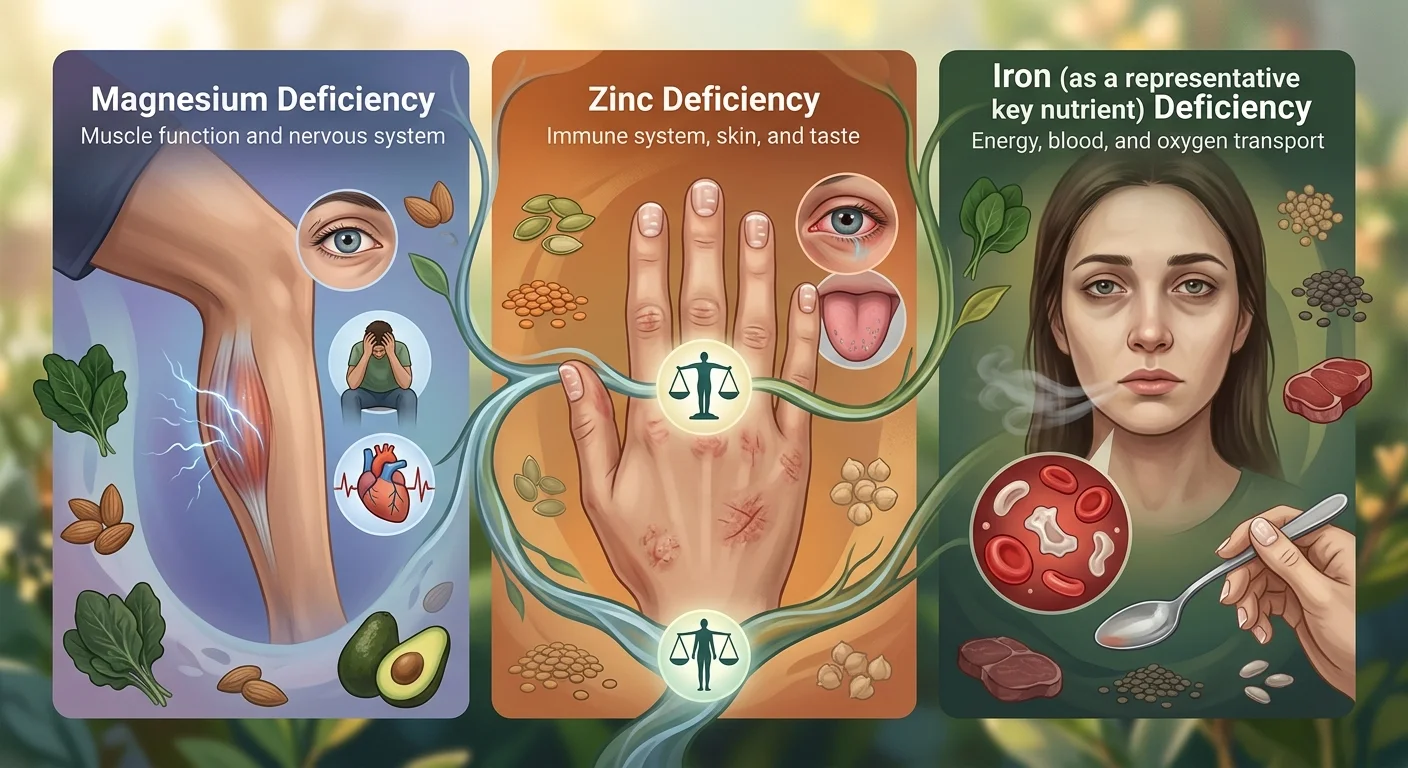
Minerals are essential nutrients that the body needs to perform hundreds of everyday functions. They help support healthy bones and teeth, regulate fluids, contribute to normal nerve and muscle function, assist energy production, and participate in many biological processes. Although the body needs some minerals only in relatively small amounts, an inadequate intake or poor absorption can still affect overall health.
Recognizing mineral deficiency symptoms can be useful because deficiencies may sometimes develop gradually. A person might notice fatigue, muscle cramps, changes in the skin or hair, weakness, numbness, appetite changes, or difficulty concentrating without immediately realizing that inadequate nutrient intake could be one possible explanation.
Common deficiencies include inadequate magnesium, zinc, iron, calcium, potassium, and iodine. However, symptoms often overlap. Fatigue, for example, can occur with several nutritional deficiencies as well as many unrelated conditions. For that reason, symptoms alone cannot reliably identify which mineral is lacking.
This guide explains common mineral deficiency symptoms, what different minerals do in the body, which signs may occur when levels are inadequate, who may be at greater risk, and how deficiencies are generally evaluated and addressed.
read more about fast food health effects
What Are Mineral Deficiencies?
Understanding essential minerals
Minerals are inorganic nutrients that the body obtains primarily through food and, in some circumstances, supplements or fortified products.
They are commonly divided into two broad groups: major minerals and trace minerals.
Major minerals include calcium, phosphorus, magnesium, sodium, potassium, chloride, and sulfur. The body generally requires these in larger quantities.
Trace minerals, sometimes called microminerals, are needed in smaller amounts. Examples include iron, zinc, iodine, selenium, copper, manganese, and chromium.
Despite the difference in quantity, both groups are important. A shortage of an essential mineral can interfere with normal physiological processes.
Deficiency does not always mean severe depletion
Nutritional deficiency exists on a spectrum.
A person may have an inadequate intake without immediately developing obvious symptoms. If the situation continues, more noticeable effects can eventually appear.
Severe deficiency can cause more significant problems, but symptoms and severity vary depending on the mineral, the individual’s overall health, how long the deficiency has existed, and whether the body can compensate.
Mineral deficiency versus nutrient deficiency
The broader term nutrient deficiency includes inadequate amounts of vitamins, minerals, protein, or other essential nutrients.
Mineral deficiencies are therefore one category within nutritional deficiencies.
This distinction matters because symptoms such as tiredness or weakness are not specific to minerals. A person may have inadequate iron, vitamin B12, folate, calories, protein, or another nutrient, or the symptoms may have an entirely different cause.
Common Mineral Deficiency Symptoms
Fatigue and low energy
Persistent tiredness is one of the symptoms people commonly associate with nutritional deficiencies.
Iron deficiency is particularly important because iron is necessary for hemoglobin production, which allows red blood cells to transport oxygen. When iron deficiency progresses to iron-deficiency anemia, fatigue and weakness can become prominent.
However, fatigue is not proof of an iron or mineral deficiency. Poor sleep, stress, infections, medications, thyroid problems, anemia from other causes, and many other conditions can produce similar symptoms.
Muscle cramps and weakness
Muscle cramps, twitching, or weakness can occur with certain mineral imbalances.
Magnesium, calcium, and potassium all participate in normal muscle and nerve function. Significant disturbances in these minerals can affect muscular activity.
Occasional muscle cramps are common and do not automatically indicate a deficiency. Recurrent or severe symptoms deserve medical evaluation, particularly when they occur with weakness, abnormal heart rhythms, or other concerning symptoms.
Changes in skin, hair, or nails
Some nutritional deficiencies can affect tissues such as skin, hair, and nails.
Zinc deficiency, for example, can be associated with skin changes and impaired wound healing. Iron deficiency may sometimes be associated with changes involving hair or nails.
These signs are nonspecific, however. Dermatological conditions, hormonal changes, genetics, medications, and other nutritional factors can produce similar changes.
Numbness or tingling
Abnormal sensations such as tingling or numbness can have many causes.
Minerals involved in nerve and muscle function may contribute when levels are significantly abnormal. Calcium and magnesium disturbances can produce neurological or muscular symptoms in certain circumstances.
Persistent numbness should not simply be attributed to a mineral deficiency because nerve compression, diabetes, circulation problems, vitamin deficiencies, medications, and neurological disorders may also be responsible.
read more about dry air and skin
Magnesium Deficiency Symptoms
Why magnesium matters
Magnesium is involved in numerous processes throughout the body.
It contributes to normal muscle and nerve function, energy metabolism, protein synthesis, bone health, and the regulation of several biochemical reactions.
Food sources include nuts, seeds, legumes, whole grains, leafy green vegetables, and some fortified foods.
Possible magnesium deficiency symptoms
Mild magnesium deficiency may not cause obvious symptoms.
More significant deficiency can be associated with symptoms such as:
- Loss of appetite
- Nausea
- Weakness
- Fatigue
- Muscle cramps
- Muscle contractions or twitching
- Abnormal heart rhythms in severe cases
- Neurological changes in significant deficiency
Severe magnesium deficiency is uncommon in otherwise healthy people who consume a varied diet, but certain medical conditions and medications can increase risk.
Who may be at risk?
Risk can increase in situations involving prolonged gastrointestinal losses, certain intestinal disorders, alcohol use disorder, or medications that increase magnesium loss.
People with chronic health conditions affecting nutrient absorption or mineral balance may also require individual assessment.
Can magnesium supplements solve the problem?
Not necessarily.
Taking large amounts of magnesium without determining whether supplementation is appropriate can cause side effects, particularly gastrointestinal symptoms. Certain forms and doses may also be inappropriate for people with impaired kidney function.
If symptoms are persistent, the appropriate approach is to determine the underlying cause rather than automatically assuming magnesium deficiency.
Zinc Deficiency Symptoms
Why zinc matters
Zinc supports immune function, wound healing, DNA and protein synthesis, growth, and normal development.
It is found in foods such as meat, seafood, dairy products, eggs, legumes, nuts, seeds, and fortified foods.
Common signs associated with zinc deficiency
Possible zinc deficiency symptoms can include:
- Reduced appetite
- Impaired wound healing
- Changes in taste or smell
- Hair loss
- Skin changes
- Increased susceptibility to certain infections
- Growth problems in children
- Diarrhea in some cases
These symptoms are not unique to zinc deficiency, so testing and clinical assessment may be necessary when deficiency is suspected.
People at greater risk
People with certain digestive disorders, restricted diets, or conditions affecting nutrient absorption may be at increased risk.
Individuals who consume diets with very limited sources of zinc may also need to pay attention to overall dietary adequacy.
Why excessive zinc can also be a problem
More zinc is not automatically better.
Long-term excessive zinc intake can interfere with copper absorption and may cause other adverse effects.
This is why supplements should be used thoughtfully rather than treating every nonspecific symptom with high-dose zinc.
Iron Deficiency Symptoms
Why iron is essential
Iron is needed for hemoglobin, a protein in red blood cells that helps transport oxygen throughout the body.
It also participates in other biological processes.
When iron stores become inadequate, iron deficiency can develop. If it becomes severe enough to reduce hemoglobin significantly, iron-deficiency anemia may occur.
Signs that may occur
Possible symptoms include:
- Fatigue
- Weakness
- Reduced exercise tolerance
- Headaches
- Dizziness
- Pale skin
- Shortness of breath, particularly with exertion
- Brittle or spoon-shaped nails in some cases
- Unusual cravings, such as craving non-food substances, in some people
The presence and severity of symptoms vary.
Why iron deficiency deserves attention
Iron deficiency may result from insufficient dietary intake, increased requirements, impaired absorption, or blood loss.
For some adults, particularly those with unexplained iron deficiency, identifying the underlying reason is as important as replacing the iron itself.
Taking iron supplements without determining the cause may delay appropriate evaluation.
Calcium Deficiency Symptoms
Why calcium matters
Calcium is best known for its role in maintaining bones and teeth, but it also contributes to muscle contraction, nerve signaling, blood clotting, and other physiological processes.
Dairy products, fortified alternatives, certain fish, tofu made with calcium, and some vegetables can provide calcium.
Signs of inadequate calcium
Long-term inadequate calcium intake can contribute to reduced bone mineral density.
Low blood calcium, particularly when significant, can produce symptoms such as:
- Muscle cramps
- Muscle spasms
- Tingling around the mouth or in the fingers
- Abnormal sensations
- Weakness
- Seizures or abnormal heart rhythms in severe cases
It is important to distinguish dietary calcium inadequacy from low blood calcium. Blood calcium can be influenced by several factors, and symptoms do not establish the cause.
Bone health and calcium
A person can have inadequate calcium intake for an extended period without obvious symptoms.
Over time, insufficient calcium and vitamin D, among other factors, can affect bone health.
Maintaining adequate calcium intake throughout life is therefore part of a broader approach to supporting skeletal health.
Potassium Deficiency Symptoms
The role of potassium
Potassium is an electrolyte involved in fluid balance, nerve signaling, and normal muscle contraction, including the function of the heart.
Fruits, vegetables, legumes, potatoes, dairy products, and other foods can provide potassium.
What low potassium can feel like
Mild reductions may produce few or nonspecific symptoms.
More significant low potassium levels can cause:
- Muscle weakness
- Muscle cramps
- Fatigue
- Constipation
- Abnormal heart rhythms
- Muscle paralysis in severe cases
Low potassium is not always caused by inadequate dietary intake. Vomiting, diarrhea, certain
medications, hormonal conditions, and other medical problems can cause potassium loss or changes in potassium regulation.
Because significant potassium abnormalities can affect the heart, suspected severe deficiency requires medical attention rather than self-treatment.
read more about indoor air quality
Iodine Deficiency Symptoms
Why iodine is important
Iodine is necessary for the production of thyroid hormones.
These hormones help regulate metabolism and play important roles in growth and development.
Common dietary sources include iodized salt, seafood, dairy products, and some other foods, although the amount varies by food and region.
Possible signs of inadequate iodine
Insufficient iodine can contribute to reduced thyroid hormone production.
Possible effects may include:
- Fatigue
- Feeling unusually cold
- Weight changes
- Dry skin
- Changes in hair
- Constipation
- Difficulty concentrating
- Enlargement of the thyroid gland, known as a goiter
These symptoms overlap with many thyroid and non-thyroid conditions.
Why iodine supplementation requires care
Both too little and too much iodine can affect thyroid function.
People should therefore avoid taking high-dose iodine supplements simply because they feel tired or have other nonspecific symptoms.
Selenium Deficiency Symptoms
The role of selenium
Selenium is a trace mineral involved in antioxidant defense, thyroid hormone metabolism, and other biological functions.
Food sources include seafood, meat, eggs, dairy products, grains, and nuts, although the selenium content of plant foods can vary depending on soil composition.
Possible signs of inadequate selenium
Selenium deficiency is relatively uncommon in many populations.
When significant deficiency occurs, it may contribute to impaired thyroid function, muscle problems, or other health effects depending on the circumstances.
Because selenium is required in small amounts, excessive supplementation can also be harmful.
Copper Deficiency Symptoms
Why copper matters
Copper contributes to iron metabolism, connective tissue formation, energy production, nervous system function, and the formation of blood cells.
It is found in foods such as shellfish, nuts, seeds, whole grains, legumes, and certain organ meats.
Possible symptoms
Copper deficiency can sometimes be associated with:
- Anemia
- Low white blood cell counts
- Weakness
- Neurological symptoms
- Changes in bone health
Copper deficiency may develop because of certain medical conditions, malabsorption, or excessive zinc supplementation rather than simply from an ordinary diet.
The connection between zinc and copper
Zinc and copper illustrate why taking individual minerals without guidance can sometimes create problems.
High zinc intake over an extended period can interfere with copper absorption.
Therefore, treating one suspected deficiency without considering overall mineral balance can sometimes cause another nutritional problem.
Phosphorus Deficiency Symptoms
Understanding phosphorus
Phosphorus is involved in bone and tooth structure, energy metabolism, and cell function.
It is widely available in many foods, including dairy products, meat, fish, legumes, nuts, and grains.
When deficiency occurs
Clinically significant phosphorus deficiency is relatively uncommon in healthy people.
When blood phosphorus becomes very low, possible effects can include muscle weakness, bone problems, confusion, and impaired cellular function.
Low phosphorus may occur in specific medical circumstances rather than simply because someone failed to consume enough phosphorus.
Manganese Deficiency Symptoms
The role of manganese
Manganese is a trace mineral involved in metabolism, bone formation, and antioxidant-related processes.
It can be found in whole grains, nuts, legumes, leafy vegetables, and other foods.
Recognizing deficiency
Manganese deficiency in humans is rare.
Because it is uncommon and its symptoms can overlap with other conditions, unexplained symptoms should not automatically be interpreted as evidence of low manganese.
Chromium and Mineral Nutrition
What chromium does
Chromium is a trace mineral associated with insulin and carbohydrate metabolism.
The exact nutritional significance of chromium supplementation for healthy individuals remains an area where people should avoid exaggerated claims.
Avoiding supplement marketing claims
Many products marketed for blood sugar control, weight management, or metabolism contain chromium.
A product containing chromium does not necessarily mean that a person has chromium deficiency or that supplementation will provide a meaningful benefit.
A balanced diet remains the foundation of adequate nutrient intake.
read more about natural immune boosters
Why Mineral Deficiency Symptoms Can Be Difficult to Recognize
Symptoms overlap
One of the biggest challenges with identifying a deficiency is that symptoms are rarely specific.
Fatigue can occur with iron deficiency, inadequate calorie intake, poor sleep, stress, infections, thyroid disorders, and many other conditions.
Muscle cramps can have numerous causes as well.
This means a symptom list can provide clues but cannot replace proper assessment.
Deficiencies may occur together
A person with an inadequate diet may not be lacking only one nutrient.
For example, limited food variety can reduce the intake of several vitamins and minerals simultaneously.
Digestive disorders may also interfere with the absorption of multiple nutrients.
Therefore, looking at overall dietary patterns is often more useful than focusing on one symptom.
Symptoms depend on severity
A mild deficiency may cause no noticeable symptoms.
As deficiency becomes more pronounced, symptoms may become clearer.
However, the relationship is not always straightforward, and different individuals can experience different effects.
Who May Be at Higher Risk of Mineral Deficiency?
People with restrictive diets
Highly restrictive diets can make it more difficult to obtain adequate amounts of certain nutrients.
This does not mean that a vegetarian, vegan, or other specialized diet is automatically deficient. Well-planned diets can provide many essential nutrients.
The important factor is whether the diet provides sufficient variety and appropriate nutrient sources.
People with digestive disorders
Conditions affecting digestion or absorption can increase the risk of nutrient deficiencies.
If the digestive tract cannot absorb nutrients effectively, consuming adequate amounts may not always be enough.
People with increased nutritional needs
Certain life stages increase nutritional requirements.
Pregnancy, childhood, adolescence, and some periods of recovery may require particular attention to adequate nutrient intake.
Individual requirements vary, so professional guidance can be useful.
People taking certain medications
Some medications can affect electrolyte or mineral levels.
This is particularly relevant for medications that influence fluid balance, kidney function, or gastrointestinal losses.
Anyone taking long-term medication should discuss potential nutrient effects with a healthcare professional rather than changing supplements independently.
How Mineral Deficiencies Are Diagnosed
Medical history
Healthcare professionals generally begin by reviewing symptoms, diet, medications, medical conditions, and other relevant factors.
This information can help determine which deficiencies or other explanations deserve consideration.
Physical examination
Depending on the symptoms, a physical examination may provide additional clues.
Signs involving skin, hair, nails, muscles, neurological function, or other systems can sometimes help guide further evaluation.
Laboratory testing
Blood or other laboratory tests may be appropriate depending on the suspected deficiency.
Testing is especially important when symptoms are persistent, severe, or unexplained.
Not every mineral deficiency can be accurately assessed using a simple blood test, and the appropriate test depends on the mineral and clinical situation.
Why self-diagnosis can be misleading
A person may search for mineral deficiency symptoms, recognize several signs, and assume that a particular mineral is responsible.
The problem is that many symptoms are nonspecific.
For example, fatigue could lead someone to assume they need iron, while the actual cause could be sleep deprivation, another nutritional issue, or an unrelated medical condition.
Proper evaluation reduces the risk of treating the wrong problem.
How to Prevent Mineral Deficiencies Through Diet
Eat a varied diet
Dietary variety is one of the simplest strategies for obtaining essential minerals.
A balanced eating pattern can include appropriate portions of:
- Vegetables
- Fruits
- Whole grains
- Legumes
- Nuts and seeds
- Dairy or fortified alternatives
- Eggs
- Fish
- Meat or suitable alternatives
The exact combination can vary according to dietary preferences and nutritional needs.
Include mineral-rich foods regularly
Rather than focusing on one “superfood,” aim for variety.
Nuts and seeds can provide magnesium and other minerals. Legumes provide several nutrients, including iron and magnesium. Dairy products can provide calcium. Seafood can provide iodine, zinc, selenium, and other nutrients depending on the type.
Consider food fortification
Fortified foods can help people obtain specific nutrients when ordinary dietary sources are limited.
Examples include certain fortified cereals, plant-based milk alternatives, and other fortified products.
Always check the nutritional label because nutrient content varies significantly between products.
When Supplements May Be Appropriate
Supplements are not automatically necessary
A person with a balanced diet and no diagnosed deficiency may not need mineral supplements.
Supplements can be useful in certain circumstances, but the appropriate nutrient, dose, and duration depend on individual needs.
Follow professional guidance when appropriate
People with diagnosed deficiencies, certain medical conditions, restrictive diets, pregnancy, or medication-related nutritional concerns may benefit from professional advice.
A healthcare professional can help determine whether supplementation is appropriate and whether additional testing is needed.
More is not better
Minerals have recommended intake ranges, and some can become harmful at excessive doses.
High amounts of certain minerals may interfere with the absorption of others or produce toxicity.
This is especially important when someone combines a multivitamin, individual mineral supplements, fortified foods, and other products without considering total intake.
read more about perfume allergy symptoms
Mineral Deficiency Symptoms
Understanding mineral deficiency symptoms can help people recognize when their nutritional intake may need attention, but symptoms should be viewed as clues rather than diagnoses.
Minerals such as magnesium, zinc, iron, calcium, potassium, iodine, selenium, copper, phosphorus, and manganese all contribute to different aspects of normal body function. When levels become inadequate, the effects can range from subtle symptoms to significant health problems, depending on the mineral and severity of the deficiency.
Magnesium deficiency may be associated with muscle cramps, weakness, fatigue, and other neuromuscular symptoms. Zinc deficiency can affect appetite, skin, wound healing, and immune function. Iron deficiency can contribute to fatigue and anemia, while inadequate calcium intake can affect long-term bone health. Potassium abnormalities can affect muscles and heart rhythm, and inadequate iodine can interfere with thyroid hormone production.
At the same time, many of these symptoms can occur for reasons unrelated to nutrition. This is why self-diagnosing based on an online symptom list is unreliable.
The best approach to preventing nutrient deficiency is generally a varied, balanced diet that includes a broad range of nutrient-rich foods. When deficiency is suspected because of persistent symptoms, a restrictive diet, a medical condition, medication use, or another risk factor, professional evaluation can help identify the actual cause.
Finally, remember that supplements are not harmless simply because minerals are essential. The body needs minerals in appropriate amounts, and excessive intake can create problems just as inadequate intake can. The goal is not to consume as many minerals as possible but to maintain adequate and balanced nutrition.
By paying attention to dietary variety, understanding potential mineral deficiency symptoms, and seeking appropriate evaluation when symptoms persist, you can make more informed decisions about your nutritional health without relying on guesswork.