

Blog
Does Lack of Sleep Weaken Your Immune System?

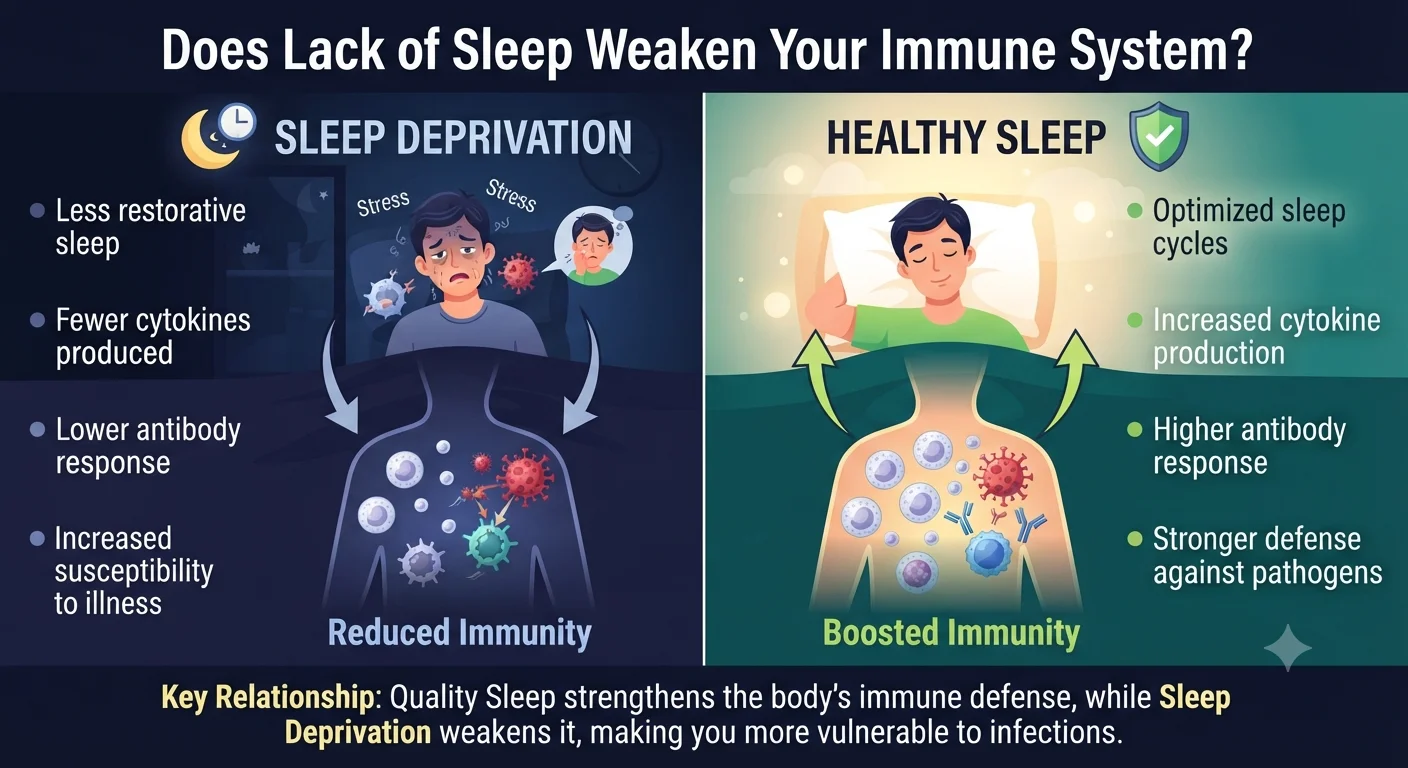
Sleep is one of the most important biological processes for maintaining overall health, yet it is often the first thing people sacrifice when life becomes busy. Students stay awake to study, professionals work late into the night, and many people spend extra hours scrolling through their phones instead of sleeping. While occasional late nights may not seem harmful, chronic sleep loss can have serious consequences for both physical and mental well-being.
One of the most significant effects of poor sleep is its impact on the sleep and immune system connection. During healthy sleep, the body performs countless repair processes that strengthen the immune response, regulate inflammation, and prepare the body to fight infections. When sleep is consistently interrupted or shortened, these processes become less efficient, making it harder for the immune system to protect against viruses, bacteria, and other illnesses.
Understanding the relationship between sleep deprivation, immunity, and healthy sleep can help you make better lifestyle choices that support long-term health.
read more about immune-boosting foods
Why Sleep Is Essential for the Immune System
The immune system works around the clock to identify and eliminate harmful microorganisms. However, it relies on adequate sleep to function at its best.
While you sleep, your body:
- Produces immune cells.
- Releases protective proteins called cytokines.
- Repairs damaged tissues.
- Regulates inflammation.
- Restores energy reserves.
- Strengthens immune memory.
These processes allow the body to respond more effectively when exposed to infections.
Without enough sleep, immune defenses gradually weaken, increasing vulnerability to illness.
How Sleep Supports Immune Function
The relationship between sleep and immune system health is complex but remarkably efficient.
During deep sleep, the body shifts its focus from daytime activities toward recovery.
Important immune activities include:
- Increased production of infection-fighting white blood cells.
- Better communication between immune cells.
- Improved antibody production.
- Reduced unnecessary inflammation.
- Enhanced tissue repair.
These nighttime processes explain why quality sleep is considered one of the foundations of good health.
What Happens During Sleep Deprivation?
Sleep deprivation occurs when a person consistently sleeps less than their body requires.
Common causes include:
- Academic pressure
- Long working hours
- Shift work
- Parenting responsibilities
- Stress
- Anxiety
- Excessive screen time
- Poor sleep habits
Although the effects may not be noticeable immediately, chronic sleep deprivation gradually affects nearly every body system.
How Sleep Deprivation Weakens Immunity
One of the earliest consequences of insufficient sleep is reduced immune efficiency.
When sleep becomes limited:
- White blood cell activity declines.
- Protective cytokine production decreases.
- Inflammatory markers may increase.
- Antibody responses become weaker.
- Recovery from illness slows down.
As a result, individuals experiencing chronic sleep deprivation often become sick more frequently than those maintaining healthy sleep habits.
Sleep and Infection Risk
Researchers have consistently found that people who sleep fewer hours are generally more susceptible to common infections.
Poor sleep may increase the likelihood of:
- Common colds
- Influenza
- Respiratory infections
- Viral illnesses
- Longer recovery periods
Although sleep alone cannot prevent every illness, maintaining consistent sleep significantly supports overall immunity.
Why Deep Sleep Matters
Not all sleep provides equal benefits.
Deep sleep plays a particularly important role in immune restoration.
During deep sleep:
- Growth hormone supports tissue repair.
- Immune cells become more active.
- Protein synthesis increases.
- Cellular recovery accelerates.
Frequent interruptions reduce the amount of deep sleep the body receives, limiting these important restorative processes.
REM Sleep Also Supports Health
Rapid Eye Movement (REM) sleep contributes differently.
While deep sleep primarily focuses on physical restoration, REM sleep supports:
- Brain function
- Emotional regulation
- Memory consolidation
- Stress recovery
Balanced sleep cycles are necessary because both deep sleep and REM sleep contribute to overall health.
read more about perfume allergy
Sleep Duration and Immune Strength
Adults generally require between seven and nine hours of quality sleep each night.
Children and teenagers typically need even more because their bodies and immune systems are still developing.
Consistently achieving sufficient healthy sleep helps maintain stronger immune defenses throughout the year.
Can One Bad Night Affect Immunity?
Missing one night of sleep usually causes temporary effects such as:
- Fatigue
- Reduced concentration
- Mood changes
- Slower reaction times
Although the immune system may experience short-term changes, it typically recovers after adequate rest.
Problems become much more significant when poor sleep becomes a regular habit.
Chronic Sleep Deprivation
Long-term sleep deprivation has cumulative effects.
Over time, inadequate sleep may contribute to:
- Increased inflammation
- Slower wound healing
- Reduced resistance to infections
- Greater fatigue
- Poor recovery after illness
These effects highlight why maintaining consistent sleep habits is just as important as eating a balanced diet and exercising regularly.
Stress, Sleep, and Immunity
Stress and sleep influence one another in powerful ways.
Stress can make it difficult to fall asleep.
Poor sleep then increases stress levels the following day.
This cycle may eventually affect immunity, making it harder for the body to maintain optimal health.
Learning stress management techniques often improves both sleep quality and immune function simultaneously.
Healthy Sleep Habits That Support Immunity
Developing better sleep habits benefits the immune system in numerous ways.
Helpful practices include:
- Maintaining a consistent bedtime.
- Creating a comfortable sleeping environment.
- Reducing caffeine late in the day.
- Limiting screen exposure before bedtime.
- Exercising regularly.
- Avoiding large meals immediately before sleeping.
These habits encourage healthy sleep, allowing the immune system to perform its nightly recovery processes more effectively.
Nutrition and Sleep Quality
Diet also influences sleep quality.
Foods that may support better sleep include:
- Whole grains
- Leafy vegetables
- Fruits
- Nuts
- Seeds
- Lean proteins
- Dairy products
A balanced diet works together with sufficient sleep to strengthen overall immunity.
Physical Activity Improves Sleep
Regular exercise contributes to better sleep quality.
Benefits include:
- Faster sleep onset
- Deeper sleep
- Reduced stress
- Improved mood
- Better overall health
However, intense exercise immediately before bedtime may interfere with falling asleep for some individuals.
Hydration and Sleep
Adequate hydration supports many body functions.
However, drinking excessive fluids shortly before bed may increase nighttime awakenings.
Balancing hydration throughout the day often supports more continuous sleep.
The Importance of Sleep Consistency
Sleeping enough hours occasionally is helpful, but maintaining a consistent schedule provides greater long-term benefits.
Going to bed and waking up at similar times each day helps regulate the body’s internal clock, improving both sleep quality and immune function.
Building Long-Term Healthy Sleep Habits
Improving sleep rarely happens overnight.
Small daily improvements often produce lasting results.
Simple steps include:
- Establishing relaxing bedtime routines.
- Keeping the bedroom cool and quiet.
- Avoiding electronic devices before bed.
- Limiting alcohol close to bedtime.
- Managing daily stress effectively.
These habits strengthen the connection between sleep and immune system health while promoting overall well-being.
How the Immune System Works While You Sleep
Many people think of sleep as a passive activity, but the body remains remarkably active throughout the night. During sleep, the immune system enters a highly organized recovery phase in which it strengthens its ability to detect and eliminate harmful pathogens.
As you sleep, your body:
- Produces new immune cells.
- Repairs damaged tissues.
- Balances inflammatory responses.
- Regulates hormone production.
- Restores energy needed for immune defense.
This is one of the strongest examples of the close relationship between sleep and immune system health.
Cytokines: The Body’s Immune Messengers
One of the immune system’s most important tools is a group of proteins called cytokines.
Cytokines help:
- Coordinate immune responses.
- Recruit white blood cells.
- Fight infections.
- Control inflammation.
- Promote tissue healing.
Many protective cytokines are produced during sleep. When sleep deprivation becomes chronic, the production of these important proteins decreases, reducing the body’s ability to fight illness effectively.
White Blood Cells and Healthy Sleep
White blood cells are responsible for identifying and destroying bacteria, viruses, fungi, and other harmful microorganisms.
Quality healthy sleep supports:
- White blood cell production.
- Cell communication.
- Immune surveillance.
- Faster responses to infections.
Without enough sleep, these protective cells become less efficient, increasing the risk of illness.
Sleep Helps Build Immune Memory
The immune system has an impressive ability to “remember” previous infections.
After encountering certain viruses or bacteria, immune cells retain information that allows faster responses in the future.
Sleep plays an important role in strengthening this immune memory.
During restful sleep, the body reinforces communication between immune cells, helping the immune system respond more effectively when exposed to familiar pathogens again.
read more about buy sun glasses
Why You Often Sleep More When You’re Sick
Many people naturally feel sleepy when they develop a cold or another infection.
This response is actually beneficial.
Extra sleep allows the body to:
- Direct more energy toward recovery.
- Produce additional immune cells.
- Repair damaged tissues.
- Regulate inflammation.
Sleeping more during illness is often one of the body’s natural healing mechanisms.
Sleep and Inflammation
Inflammation serves an important purpose because it helps the body fight infections and repair injuries.
However, inflammation must remain carefully balanced.
Poor sleep may contribute to excessive inflammatory activity over time.
Healthy sleep helps regulate inflammation by preventing unnecessary immune activation while allowing protective responses when needed.
Chronic Inflammation and Poor Sleep
Persistent sleep problems may contribute to long-term inflammatory changes.
Although inflammation is necessary for healing, excessive or prolonged inflammation may negatively affect overall health.
Maintaining good sleep habits helps support a healthier inflammatory balance throughout the body.
Sleep and Recovery After Illness
Recovery does not end once symptoms improve.
The immune system continues repairing tissues and restoring normal function for days or even weeks after some illnesses.
Adequate sleep supports:
- Faster recovery.
- Better energy levels.
- Improved tissue healing.
- Stronger immune function.
Many healthcare professionals encourage patients to prioritize rest because of its important role in recovery.
Sleep Before and After Vaccination
Sleep also appears to influence how the body responds to vaccines.
Vaccines work by training the immune system to recognize specific pathogens.
Quality sleep before and after vaccination helps the immune system complete this learning process more effectively.
For this reason, maintaining healthy sleep habits around vaccination appointments may support normal immune responses.
Can Catch-Up Sleep Reverse Sleep Deprivation?
Many people try to recover from weekday sleep loss by sleeping much longer on weekends.
Although additional sleep may improve fatigue temporarily, it cannot completely erase the effects of prolonged sleep deprivation.
Consistent nightly sleep remains far more beneficial than alternating between short nights and extended weekend sleep.
The Role of Circadian Rhythm
The body’s internal biological clock is called the circadian rhythm.
This system regulates:
- Sleep timing.
- Hormone release.
- Body temperature.
- Digestion.
- Immune activity.
Disrupting the circadian rhythm through irregular sleep schedules may reduce sleep quality even if total sleep duration appears adequate.
Shift Work and Immunity
Shift workers often face unique challenges because their work schedules conflict with natural sleep patterns.
Rotating shifts may contribute to:
- Irregular sleep.
- Increased fatigue.
- Reduced alertness.
- Lower-quality sleep.
Maintaining consistent sleep routines whenever possible becomes especially important for individuals working outside traditional daytime hours.
Children Need More Sleep for Healthy Immunity
Children experience rapid growth and immune development.
Their bodies require additional sleep to support:
- Physical growth.
- Brain development.
- Learning.
- Strong immune responses.
Parents can encourage healthy sleep by maintaining regular bedtimes and reducing evening screen time.
Teenagers and Sleep Deprivation
Teenagers frequently experience sleep deprivation because of school schedules, homework, extracurricular activities, and increased technology use.
Insufficient sleep may affect:
- Academic performance.
- Concentration.
- Mood.
- Athletic recovery.
- Overall immunity.
Encouraging consistent bedtime routines can benefit both learning and health.
Adults and Busy Lifestyles
Many adults sacrifice sleep to balance careers, family responsibilities, and social commitments.
Unfortunately, reducing sleep to gain extra working hours may eventually decrease productivity because fatigue affects concentration, decision-making, and physical health.
Prioritizing healthy sleep supports better long-term performance both professionally and personally.
Older Adults and Sleep
Sleep patterns naturally change with age.
Older adults may experience:
- Earlier bedtimes.
- Lighter sleep.
- More nighttime awakenings.
- Shorter sleep duration.
Although sleep patterns change, adequate rest remains essential for maintaining immunity throughout later life.
Mental Health and Immune Function
Sleep, mental health, and the immune system are closely connected.
Poor sleep may contribute to:
- Increased stress.
- Irritability.
- Anxiety symptoms.
- Difficulty concentrating.
- Emotional exhaustion.
Meanwhile, stress itself may interfere with sleep quality.
Breaking this cycle often improves both emotional well-being and immune health.
Technology and Sleep Quality
Modern technology provides many conveniences but can also interfere with sleep.
Common habits that reduce sleep quality include:
- Scrolling social media before bed.
- Watching videos late at night.
- Responding to work emails.
- Playing mobile games.
- Using bright screens in dark rooms.
Reducing screen exposure before bedtime often leads to better sleep quality.
Creating a Healthy Sleep Environment
The bedroom environment significantly influences sleep.
Helpful improvements include:
- Keeping the room cool.
- Reducing outside noise.
- Using comfortable bedding.
- Limiting unnecessary light.
- Maintaining good ventilation.
A comfortable environment allows the body to move more naturally through healthy sleep cycles.
Evening Habits That Support Better Sleep
Small evening habits often produce meaningful improvements over time.
Examples include:
- Reading a book.
- Gentle stretching.
- Meditation.
- Deep breathing exercises.
- Listening to calming music.
Relaxing bedtime routines help prepare both the body and mind for restful sleep.
Morning Habits That Improve Nighttime Sleep
Healthy sleep actually begins shortly after waking up.
Morning habits that support better sleep include:
- Waking up at a consistent time.
- Getting natural sunlight.
- Eating a balanced breakfast.
- Staying physically active during the day.
These routines strengthen the body’s natural circadian rhythm.
Signs You May Not Be Getting Enough Sleep
Some people underestimate the effects of insufficient sleep because symptoms develop gradually.
Common warning signs include:
- Frequent fatigue.
- Difficulty concentrating.
- Mood changes.
- Increased caffeine dependence.
- Frequent minor illnesses.
- Reduced motivation.
If these symptoms occur regularly, improving sleep habits may benefit both daily performance and immunity.
Healthy Sleep Is Part of a Healthy Lifestyle
Sleep should not be viewed separately from nutrition, exercise, hydration, and stress management.
Instead, these habits work together.
A healthy lifestyle includes:
- Nutritious meals.
- Regular physical activity.
- Stress reduction.
- Good hydration.
- Consistent healthy sleep.
Together, these habits create the strongest foundation for long-term immune health.
read more about sun glasses
Understanding the Bigger Picture
The connection between sleep and immune system function becomes clearer when we recognize that sleep is not simply about resting—it is a period of active biological repair. During sleep, immune cells communicate more efficiently, protective cytokines are produced, inflammation is carefully regulated, and tissues recover from daily stress. Chronic sleep deprivation interrupts these essential processes, making it harder for the body to defend itself and recover from illness.
Building better sleep habits is one of the simplest and most effective ways to support immunity naturally. Even modest improvements in sleep quality can contribute to better overall health, increased energy, and a stronger ability to respond to everyday infections.