Health

Signs You May Have a Vitamin Deficiency

Signs You May Have a Vitamin Deficiency
Vitamins and minerals are essential nutrients that help the body function properly. They support everything from energy production and immune function to bone health, brain activity, muscle performance, and healthy skin. When the body does not receive enough of these nutrients over time, it may begin to show warning signs that should not be ignored.

Many people experience fatigue, brittle nails, muscle weakness, or frequent illness without realizing that these symptoms may be linked to a vitamin deficiency or another type of nutrient deficiency. While these symptoms can have many possible causes, nutritional deficiencies are among the most common and often improve when the underlying problem is identified and treated.

Modern lifestyles, restrictive diets, digestive disorders, aging, and certain medical conditions can all contribute to inadequate vitamin and mineral intake. Even individuals who believe they eat a balanced diet may still develop deficiencies due to poor nutrient absorption or increased nutritional requirements.

Recognizing vitamin deficiency symptoms early can help prevent more serious health complications and improve overall well-being. This guide explains the most common signs of vitamin and mineral deficiencies, the nutrients most frequently involved, possible risk factors, and when it is important to seek professional medical advice.

read more about immune-boosting foods

Why Vitamins and Minerals Matter

Every vitamin and mineral has a unique role in maintaining normal body function.

For example:

  • Vitamin D supports bone strength and immune health.
  • Iron helps transport oxygen throughout the body.
  • Vitamin B12 supports nerve function and red blood cell production.
  • Vitamin C contributes to wound healing and collagen formation.
  • Calcium maintains healthy bones and teeth.
  • Magnesium supports muscles, nerves, and energy production.

A deficiency in any of these nutrients may affect multiple body systems.

What Is a Vitamin Deficiency?

A vitamin deficiency occurs when the body does not receive enough of a particular vitamin to meet its needs.

Deficiencies may develop because of:

  • Inadequate dietary intake
  • Poor nutrient absorption
  • Increased nutritional requirements
  • Certain medications
  • Chronic illnesses
  • Digestive disorders

Some deficiencies develop slowly over months or even years, making early symptoms easy to overlook.

Common Causes of Nutrient Deficiency

Several factors can increase the likelihood of developing a nutrient deficiency.

Poor Diet

One of the most common causes is an unbalanced diet.

Highly processed foods often contain fewer essential nutrients than whole foods.

Diets lacking:

  • Fruits
  • Vegetables
  • Whole grains
  • Lean proteins
  • Dairy products

may increase the risk of multiple deficiencies.

Restricted Diets

Individuals following restrictive eating patterns may require additional attention to nutrient intake.

Examples include:

  • Vegan diets
  • Vegetarian diets
  • Extremely low-calorie diets
  • Elimination diets

Careful meal planning can help reduce deficiency risk.

Digestive Disorders

Certain medical conditions interfere with nutrient absorption.

Examples include:

  • Celiac disease
  • Crohn’s disease
  • Ulcerative colitis
  • Chronic pancreatitis

Even with adequate food intake, nutrient absorption may be reduced.

Aging

Older adults often experience changes that increase the likelihood of nutritional deficiencies.

These may include:

  • Reduced appetite
  • Lower stomach acid production
  • Medication use
  • Chronic illnesses

Routine medical care becomes increasingly important with age.

Pregnancy

Pregnant individuals require additional nutrients to support both maternal health and fetal development.

Healthcare providers commonly recommend prenatal vitamins to help meet these increased nutritional needs.

General Vitamin Deficiency Symptoms

Many deficiencies share similar warning signs.

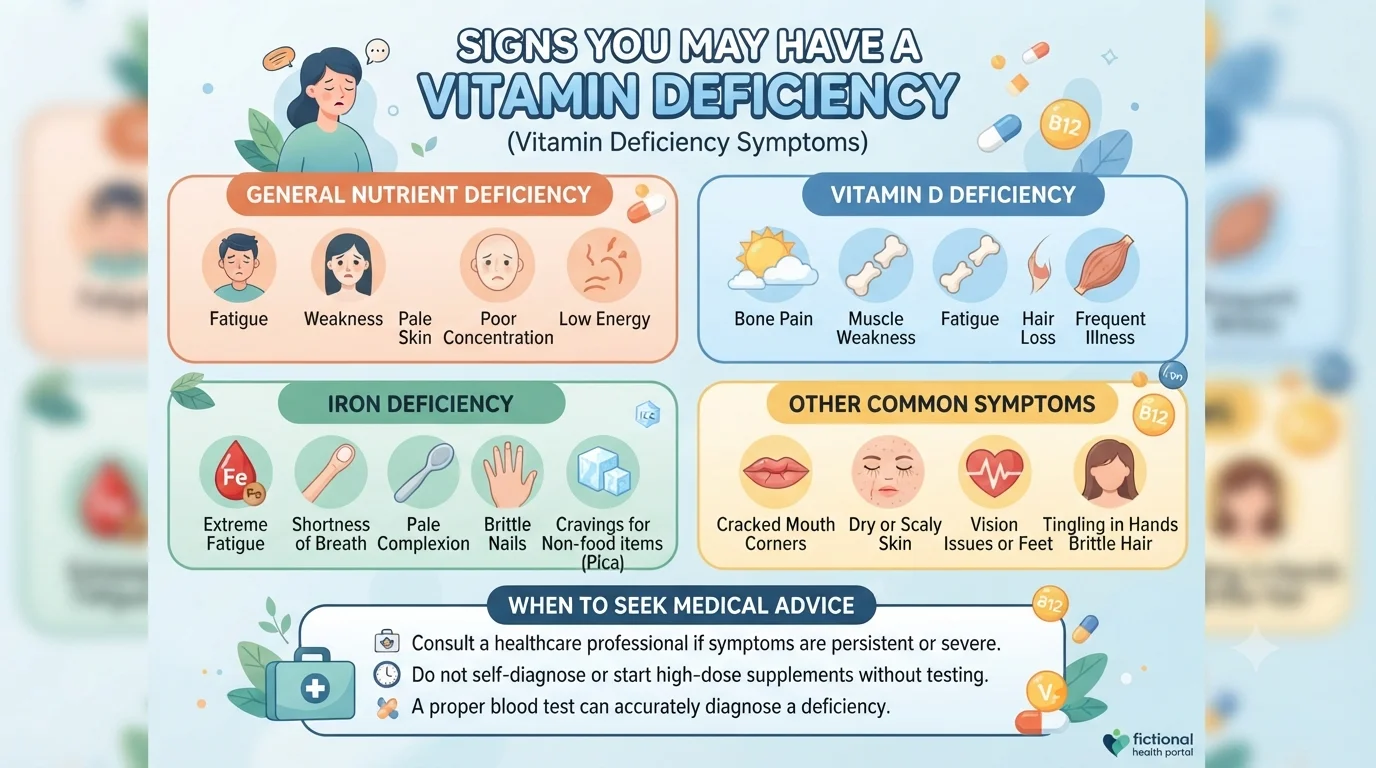
Common vitamin deficiency symptoms include:

  • Persistent fatigue
  • Weakness
  • Reduced concentration
  • Frequent infections
  • Slow wound healing
  • Hair thinning
  • Dry skin
  • Brittle nails
  • Muscle cramps
  • Mood changes

Because these symptoms can result from many different conditions, proper medical evaluation is important.

read more about perfume allergy

Fatigue and Low Energy

Persistent fatigue is among the most common symptoms associated with nutritional deficiencies.

Possible contributing deficiencies include:

  • Iron
  • Vitamin D
  • Vitamin B12
  • Folate

Low energy should not automatically be attributed to stress or poor sleep without appropriate medical assessment.

Frequent Illness

The immune system depends on adequate nutrition.

Repeated infections may sometimes indicate deficiencies involving:

  • Vitamin C
  • Vitamin D
  • Zinc

Supporting immune health begins with a balanced diet and appropriate medical care.

Hair Loss

Hair health depends on multiple nutrients.

Hair thinning may sometimes be associated with deficiencies involving:

  • Iron
  • Zinc
  • Biotin
  • Protein

However, hair loss has many potential causes, including hormonal changes and genetics.

Professional evaluation is recommended when hair loss is significant or persistent.

Brittle Nails

Weak or brittle nails may occasionally reflect nutritional problems.

Possible contributing nutrients include:

  • Iron
  • Biotin
  • Zinc

Healthy nails generally require adequate overall nutrition.

Dry Skin

Skin health relies on proper nutrition and hydration.

Persistent dry skin may sometimes occur alongside deficiencies involving:

  • Vitamin A
  • Vitamin E
  • Essential fatty acids

Dermatological conditions should also be considered.

Mouth Problems

Nutritional deficiencies sometimes affect the mouth.

Possible signs include:

  • Mouth ulcers
  • Cracks at the corners of the mouth
  • Swollen tongue
  • Burning mouth sensation

Several vitamin deficiencies can contribute to these symptoms.

Muscle Weakness

Muscle weakness may occur with multiple deficiencies.

Important nutrients include:

  • Vitamin D
  • Magnesium
  • Potassium

Medical evaluation helps determine the underlying cause.

Tingling and Numbness

Abnormal sensations such as tingling or numbness may occasionally indicate deficiencies affecting nerve function.

Vitamin B12 deficiency is one important example.

Prompt evaluation is recommended if neurological symptoms develop.

Difficulty Concentrating

Brain function depends on adequate nutrition.

Deficiencies involving:

  • Iron
  • Vitamin B12
  • Folate

may contribute to problems with concentration, although many other medical conditions can also affect cognitive performance.

Mood Changes

Nutrition influences many aspects of brain health.

Some deficiencies have been associated with symptoms such as:

  • Irritability
  • Low mood
  • Reduced motivation

These symptoms should always be evaluated in the context of overall physical and mental health.

Vitamin D Deficiency

Among the most common nutritional deficiencies worldwide is vitamin D deficiency.

Vitamin D supports:

  • Bone health
  • Muscle function
  • Immune health
  • Calcium absorption

Common symptoms may include:

  • Bone discomfort
  • Muscle weakness
  • Fatigue
  • Frequent illness

Some individuals have no noticeable symptoms despite low vitamin D levels.

Because symptoms are often subtle, laboratory testing is frequently required for diagnosis.

While general fatigue and weakness are among the most recognized vitamin deficiency symptoms, different vitamins and minerals affect the body in different ways. Understanding the specific signs associated with common deficiencies can help people recognize when it may be appropriate to discuss their symptoms with a healthcare professional.

It is important to remember that symptoms alone cannot confirm a diagnosis. Many medical conditions share similar warning signs, so laboratory testing and a professional evaluation are often necessary to identify the true cause.

Iron Deficiency

One of the most common nutritional problems worldwide is iron deficiency.

Iron is an essential mineral that helps produce hemoglobin, the protein in red blood cells responsible for carrying oxygen throughout the body.

When iron levels become too low, the body may not produce enough healthy red blood cells, leading to iron deficiency anemia in some individuals.

Common Symptoms of Iron Deficiency

Possible symptoms include:

  • Persistent tiredness
  • Weakness
  • Pale skin
  • Shortness of breath during activity
  • Dizziness
  • Cold hands and feet
  • Headaches
  • Difficulty concentrating
  • Rapid heartbeat
  • Reduced exercise tolerance

Some people may also notice unusual cravings for non-food substances such as ice, clay, or starch, a condition known as pica.

Who Is at Higher Risk?

Groups with a higher risk of iron deficiency include:

  • Women with heavy menstrual bleeding
  • Pregnant individuals
  • Young children
  • Teenagers during periods of rapid growth
  • Frequent blood donors
  • People with digestive disorders
  • Individuals following diets low in iron-rich foods

Vitamin B12 Deficiency

Vitamin B12 supports healthy nerves, brain function, and red blood cell production.

Because the body stores vitamin B12 for several years, symptoms may develop gradually.

Common symptoms include:

  • Fatigue
  • Tingling in the hands and feet
  • Numbness
  • Memory difficulties
  • Poor balance
  • Muscle weakness
  • Mood changes
  • Difficulty walking

Without treatment, long-term deficiency may lead to permanent nerve damage in some cases.

Folate Deficiency

Folate, also known as vitamin B9, plays a vital role in DNA production and red blood cell formation.

Symptoms may include:

  • Fatigue
  • Weakness
  • Mouth sores
  • Poor concentration
  • Irritability
  • Pale skin

Adequate folate intake is particularly important during pregnancy to support healthy fetal development.

Vitamin C Deficiency

Vitamin C contributes to collagen production, wound healing, and immune function.

Although severe deficiency is uncommon in many countries, inadequate intake can still occur.

Possible symptoms include:

  • Easy bruising
  • Slow wound healing
  • Bleeding gums
  • Frequent infections
  • Dry skin
  • Fatigue
  • Joint discomfort

Eating fruits and vegetables regularly usually provides sufficient vitamin C for most healthy individuals.

Calcium Deficiency

Calcium is essential for strong bones, healthy teeth, muscle contraction, and nerve function.

Low calcium intake over time may contribute to weakened bones.

Symptoms may include:

  • Muscle cramps
  • Tingling sensations
  • Muscle spasms
  • Brittle nails
  • Dental problems

Long-term deficiency can increase the risk of osteoporosis.

Magnesium Deficiency

Magnesium participates in hundreds of biochemical reactions throughout the body.

Possible symptoms include:

  • Muscle cramps
  • Fatigue
  • Tremors
  • Weakness
  • Difficulty sleeping
  • Irregular heartbeat in severe cases

Because these symptoms are not specific, laboratory testing may be needed to determine whether magnesium deficiency is present.

Zinc Deficiency

Zinc supports:

  • Immune function
  • Wound healing
  • Skin health
  • Normal growth
  • Taste and smell

Possible symptoms include:

  • Slow wound healing
  • Frequent infections
  • Hair thinning
  • Reduced appetite
  • Changes in taste or smell
  • Skin problems

Vitamin A Deficiency

Vitamin A is important for vision, immune health, and skin maintenance.

Possible signs include:

  • Dry eyes
  • Poor night vision
  • Dry skin
  • Frequent infections

Severe deficiency remains more common in some developing regions.

Vitamin E Deficiency

Vitamin E acts as an antioxidant that protects cells from damage.

Although uncommon in healthy adults, deficiency may occur in people with disorders affecting fat absorption.

Possible symptoms include:

  • Muscle weakness
  • Poor coordination
  • Vision changes
  • Numbness

Potassium Deficiency

Potassium is technically a mineral rather than a vitamin, but it remains an essential nutrient.

Low potassium levels may cause:

  • Muscle weakness
  • Fatigue
  • Constipation
  • Muscle cramps
  • Abnormal heart rhythms in severe cases

Multiple Nutrient Deficiencies

Sometimes individuals experience more than one nutrient deficiency simultaneously.

This may occur because of:

  • Poor overall diet
  • Digestive disorders
  • Chronic illness
  • Eating disorders
  • Malabsorption syndromes

When multiple deficiencies occur together, symptoms can overlap, making diagnosis more complex.

Risk Factors for Vitamin Deficiencies

Certain lifestyle factors increase the likelihood of developing nutritional deficiencies.

These include:

  • Highly restrictive diets
  • Excessive alcohol consumption
  • Smoking
  • Limited sun exposure
  • Poor appetite
  • Chronic digestive diseases
  • Certain medications

Recognizing these risk factors can encourage earlier evaluation.

How Vitamin Deficiencies Are Diagnosed

Healthcare providers begin by reviewing:

  • Medical history
  • Dietary habits
  • Current symptoms
  • Medication use
  • Family history

If a deficiency is suspected, laboratory testing may include measurements of specific vitamin or mineral levels, complete blood counts, or additional tests depending on the individual’s symptoms.

Self-diagnosis is not recommended because similar symptoms may have unrelated causes.

Can Diet Alone Correct a Deficiency?

In many mild cases, improving dietary habits may help restore adequate nutrient intake.

Foods rich in vitamins and minerals include:

  • Leafy green vegetables
  • Fruits
  • Whole grains
  • Dairy products
  • Eggs
  • Fish
  • Lean meat
  • Nuts
  • Seeds
  • Legumes

However, some deficiencies require supplements or medical treatment prescribed by a healthcare professional.

Supplements Are Not Always the Answer

Many people assume that taking multiple vitamin supplements automatically improves health.

In reality:

  • Unnecessary supplementation may provide no benefit.
  • Excessive intake of certain vitamins can be harmful.
  • Supplements should not replace a balanced diet.
  • The appropriate supplement depends on the specific deficiency.

Medical advice is recommended before beginning long-term supplementation, particularly with high-dose products.

Supporting Overall Nutritional Health

Healthy habits that reduce the risk of vitamin deficiency symptoms include:

  • Eating a varied, balanced diet.
  • Including fruits and vegetables daily.
  • Consuming adequate protein.
  • Staying physically active.
  • Maintaining regular medical checkups.
  • Discussing persistent symptoms with a healthcare provider.
  • Following recommended screening when appropriate.

Good nutrition supports every system in the body and contributes to long-term health.

Preventing Vitamin and Mineral Deficiencies

Although some deficiencies result from medical conditions or impaired nutrient absorption, many cases can be prevented through healthy lifestyle habits and a balanced diet. Consistently consuming a wide variety of nutrient-rich foods helps provide the vitamins and minerals the body needs for normal growth, repair, and daily function.

Rather than focusing on a single nutrient, aim for an overall eating pattern that includes foods from all major food groups.

Healthy dietary habits include:

  • Eating a variety of colorful fruits and vegetables
  • Choosing whole grains over refined grains
  • Including lean protein sources
  • Consuming healthy fats in moderation
  • Staying well hydrated
  • Limiting highly processed foods
  • Avoiding overly restrictive diets unless medically necessary

A balanced diet remains the foundation of good nutritional health.

read more about pixel 6 pro price in oman

Food Sources of Essential Vitamins and Minerals

Getting nutrients from food is generally the preferred approach because whole foods provide a combination of vitamins, minerals, fiber, and other beneficial compounds.

Vitamin D

Foods containing vitamin D include:

  • Fatty fish
  • Egg yolks
  • Fortified milk
  • Fortified cereals
  • Fortified plant-based beverages

Sunlight also plays an important role in vitamin D production. However, the amount produced varies depending on factors such as season, geographic location, skin pigmentation, age, clothing, sunscreen use, and time spent outdoors. People with limited sun exposure may be at greater risk of vitamin D deficiency and should discuss their individual needs with a healthcare provider.

Iron

Excellent dietary sources of iron deficiency prevention include:

  • Lean red meat
  • Poultry
  • Fish
  • Beans
  • Lentils
  • Chickpeas
  • Spinach
  • Fortified cereals

Vitamin C-rich foods consumed alongside plant-based iron sources can help improve iron absorption.

Vitamin B12

Vitamin B12 is naturally found in:

  • Meat
  • Fish
  • Eggs
  • Dairy products
  • Fortified breakfast cereals

People following vegan diets may need fortified foods or supplements after discussing their nutritional needs with a healthcare professional.

Calcium

Good calcium sources include:

  • Milk
  • Yogurt
  • Cheese
  • Fortified plant milks
  • Tofu made with calcium
  • Leafy green vegetables

Adequate vitamin D supports calcium absorption.

Magnesium

Magnesium-rich foods include:

  • Nuts
  • Seeds
  • Whole grains
  • Legumes
  • Dark leafy vegetables

Vitamin C

Excellent sources include:

  • Oranges
  • Strawberries
  • Kiwi
  • Bell peppers
  • Tomatoes
  • Broccoli

Eating a variety of fruits and vegetables helps maintain healthy vitamin C intake.

Who Is More Likely to Develop Nutrient Deficiencies?

Certain groups have a greater chance of developing a nutrient deficiency because of increased nutritional needs or reduced absorption.

Higher-risk groups include:

  • Older adults
  • Pregnant and breastfeeding women
  • Infants and young children
  • Vegetarians and vegans
  • Individuals with digestive disorders
  • People recovering from certain surgeries
  • Individuals with chronic illnesses
  • People taking medications that affect nutrient absorption

Regular medical follow-up may help identify deficiencies before significant symptoms develop.

Lifestyle Habits That Support Healthy Nutrition

Healthy nutrition involves more than simply taking supplements.

Helpful habits include:

  • Planning balanced meals
  • Eating regular meals
  • Preparing food at home when possible
  • Reading food labels
  • Staying physically active
  • Getting adequate sleep
  • Managing stress
  • Avoiding excessive alcohol consumption
  • Not smoking

These practices contribute to overall well-being and support long-term health.

When Should You Seek Medical Advice?

While occasional tiredness or minor changes in appetite may not indicate a serious problem, persistent or worsening symptoms deserve medical attention.

You should consider speaking with a healthcare professional if you experience:

  • Ongoing fatigue that does not improve with rest
  • Frequent infections
  • Persistent muscle weakness
  • Numbness or tingling
  • Unexplained hair loss
  • Significant changes in skin, nails, or mouth health
  • Dizziness or fainting
  • Shortness of breath
  • Difficulty concentrating that interferes with daily life

Prompt evaluation allows healthcare providers to determine whether vitamin deficiency symptoms or another medical condition may be responsible.

Why Self-Diagnosis Can Be Misleading

Many symptoms associated with vitamin deficiencies are non-specific.

For example, fatigue may result from:

  • Poor sleep
  • Stress
  • Thyroid disorders
  • Diabetes
  • Heart disease
  • Depression
  • Infections
  • Iron deficiency
  • Vitamin D deficiency

Because the same symptom may have numerous possible causes, laboratory testing is often necessary before beginning treatment.

The Importance of Professional Diagnosis

Healthcare professionals use a combination of:

  • Medical history
  • Physical examination
  • Dietary assessment
  • Blood tests
  • Additional investigations when appropriate

to determine whether a nutritional deficiency is present.

Accurate diagnosis helps ensure that treatment targets the underlying cause rather than simply masking symptoms.

Common Myths About Vitamin Deficiencies

Myth 1: More Vitamins Always Mean Better Health

Not necessarily.

Taking excessive amounts of certain vitamins can cause harmful effects. Supplements should only be used when appropriate and according to medical advice or product instructions.

Myth 2: Healthy People Can Never Develop Deficiencies

Even people with generally healthy diets may develop deficiencies because of medical conditions, medications, pregnancy, aging, or reduced nutrient absorption.

Myth 3: Supplements Can Replace Healthy Eating

Supplements are designed to complement—not replace—a nutritious diet.

Whole foods provide many beneficial nutrients and compounds that supplements cannot fully replicate.

Myth 4: Every Symptom Means You Have a Vitamin Deficiency

Many common symptoms overlap with other medical conditions.

Persistent symptoms should always be evaluated rather than assuming they are caused by a deficiency.

Frequently Asked Questions

What are the most common vitamin deficiency symptoms?

Common symptoms include:

  • Fatigue
  • Weakness
  • Frequent illness
  • Hair thinning
  • Dry skin
  • Brittle nails
  • Muscle cramps
  • Difficulty concentrating
  • Tingling sensations
  • Slow wound healing

These symptoms are not specific and can occur in many other medical conditions as well.

Can vitamin D deficiency cause tiredness?

Some individuals with vitamin D deficiency report fatigue, muscle weakness, or bone discomfort. However, many people have no noticeable symptoms, and fatigue has many possible causes.

Who is most at risk for iron deficiency?

People at increased risk include:

  • Women with heavy menstrual bleeding
  • Pregnant individuals
  • Young children
  • Adolescents during periods of rapid growth
  • Frequent blood donors
  • Individuals with digestive disorders

Can nutrient deficiencies be prevented?

In many cases, yes.

A varied, balanced diet and regular healthcare checkups can help reduce the risk of developing a nutrient deficiency. Some individuals may require supplements or additional monitoring based on their personal health circumstances.

Should I start taking supplements if I feel tired?

Not without appropriate evaluation.

Fatigue has many possible causes, and taking supplements without identifying the underlying problem may not help and, in some cases, could be inappropriate.

read more about sun glasses

Recognizing vitamin deficiency symptoms is an important step toward maintaining long-term health, but symptoms alone rarely provide a complete diagnosis. Persistent fatigue, muscle weakness, frequent infections, hair loss, changes in skin or nails, numbness, and difficulty concentrating may sometimes be linked to nutritional deficiencies, yet they can also result from many other medical conditions. Seeking professional medical advice ensures that the underlying cause is identified accurately and treated appropriately.

Among the most common nutritional concerns worldwide are vitamin D deficiency, iron deficiency, and other forms of nutrient deficiency, each of which can affect the body in different ways. Fortunately, many deficiencies can be prevented or corrected through a balanced diet, healthy lifestyle habits, appropriate medical care, and targeted supplementation when recommended by a healthcare professional.

Rather than relying on self-diagnosis or unnecessary supplements, focus on maintaining a varied diet rich in fruits, vegetables, whole grains, lean proteins, dairy or fortified alternatives, healthy fats, and other nutrient-dense foods. Combined with regular medical checkups and timely evaluation of persistent symptoms, these habits can help support overall wellness, reduce the risk of nutritional deficiencies, and promote better health throughout every stage of life.