

Blog
How to Manage Seasonal Allergies at Home

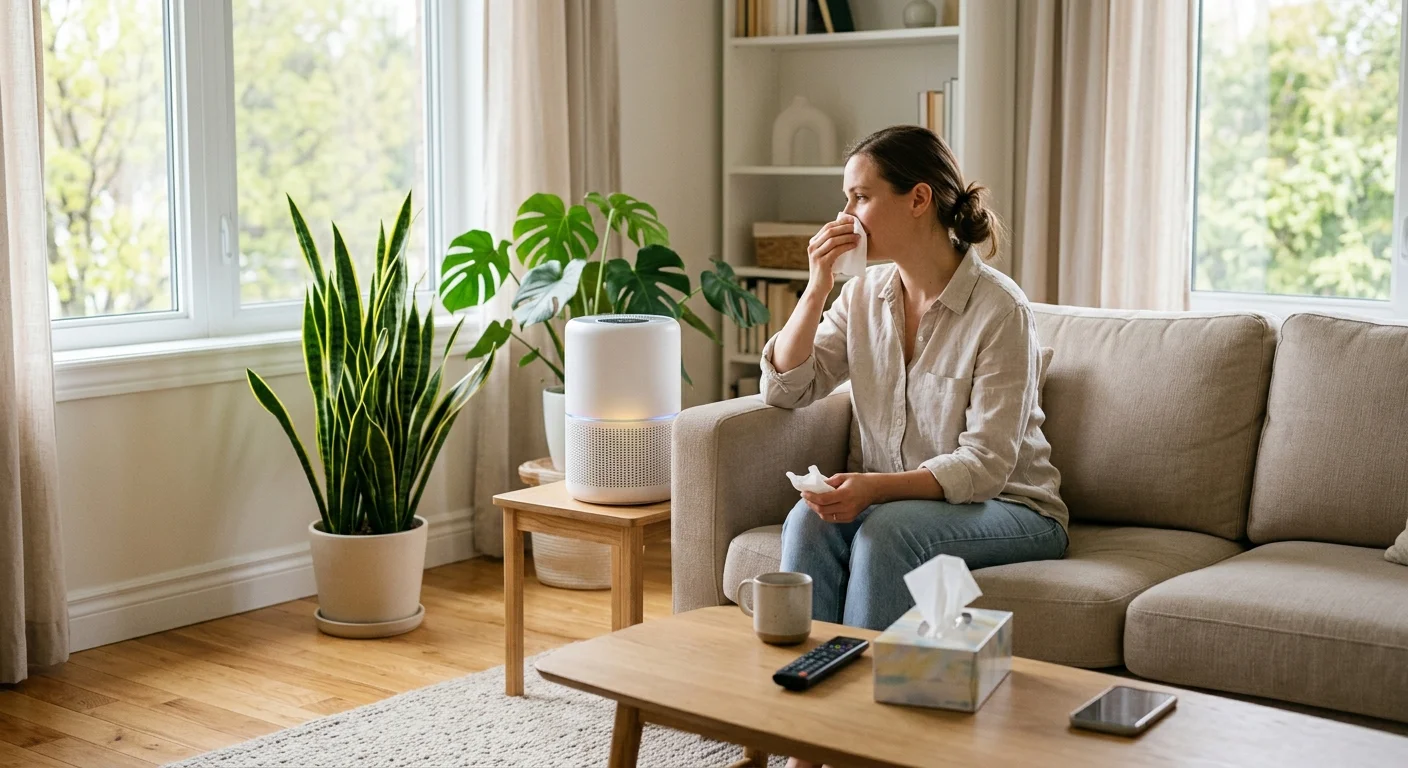
Seasonal allergies can make ordinary days at home surprisingly uncomfortable. Sneezing, a runny or stuffy nose, itchy eyes, throat irritation, coughing, and fatigue can interfere with sleep, concentration, work, and everyday activities. For many people, symptoms become more noticeable during particular times of the year when pollen levels increase. However, spending more time indoors does not necessarily mean escaping allergy triggers. Pollen can enter through windows, doors, clothing, shoes, and pets, while indoor allergens such as dust mites, mold, and pet dander can continue to cause symptoms.
The good news is that managing allergies at home does not depend on a single solution. A combination of allergy prevention habits, indoor cleaning strategies, ventilation choices, environmental control, and appropriate symptom management can reduce exposure to common triggers. Understanding what causes symptoms is an important first step because different allergens require different approaches.
This guide explains practical ways to achieve seasonal allergy relief at home, reduce indoor allergy triggers, and make living spaces more comfortable during allergy season.
read more about fast food health effects
Understanding Seasonal Allergies
What Are Seasonal Allergies?
Seasonal allergies occur when the immune system reacts to substances that are normally harmless, particularly airborne particles such as pollen. The body may mistakenly identify these particles as a threat and release chemicals, including histamine, that contribute to allergy symptoms.
Seasonal allergic rhinitis is commonly associated with pollen from trees, grasses, and weeds. Symptoms can appear or become worse during periods when these plants release pollen into the air.
The exact allergy season varies depending on climate, local vegetation, weather conditions, and the type of pollen involved. In some regions, tree pollen becomes important earlier in the year, while grass and weed pollen may become more significant later.
Common Symptoms of Seasonal Allergies
Seasonal allergies can affect the nose, eyes, throat, and respiratory system. Common symptoms include:
Sneezing repeatedly
Runny nose
Nasal congestion
Itchy nose
Itchy or watery eyes
Postnasal drip
Scratchy throat
Coughing
Sinus pressure
Reduced sense of smell
Fatigue caused by poor sleep or persistent symptoms
Some people experience several symptoms simultaneously, while others mainly have nasal or eye-related problems.
Allergy symptoms can resemble those caused by a cold or other respiratory conditions. Allergies, however, are not contagious, and symptoms often follow exposure to particular triggers or occur repeatedly during specific seasons.
Why Indoor Allergy Management Matters
Why Allergens Can Still Enter Your Home
Staying indoors can reduce exposure to outdoor pollen, but it does not eliminate it completely. Pollen can enter homes when windows or doors are opened. It can also be carried inside on clothing, shoes, hair, bags, and pets.
Once indoors, pollen may settle on floors, furniture, bedding, and other surfaces. Activities such as walking across carpets or moving fabrics can disturb settled particles and allow them to become airborne again.
This is why effective seasonal allergy relief often requires controlling allergens after they enter the home rather than simply trying to keep every window closed.
Indoor Allergies Can Have Different Triggers
Indoor allergies may be caused by substances other than seasonal pollen. Common indoor triggers include:
Dust mites
Mold spores
Pet dander
Pet saliva proteins
Cockroach allergens
Accumulated household dust
A person who experiences symptoms throughout the year may have different triggers from someone whose symptoms appear mainly during a particular pollen season.
Understanding the difference can help make allergy prevention more targeted.
Keep Windows and Doors Closed When Pollen Is High
Reduce Outdoor Air Entering the Home
One of the simplest ways to reduce pollen exposure is to limit the amount of outdoor air entering the house when pollen levels are high.
Opening windows may feel refreshing, especially during mild weather, but it can also bring large amounts of airborne pollen indoors. If outdoor pollen is a major trigger, keeping windows closed during high-pollen periods can be useful.
This does not necessarily mean keeping the home completely sealed at all times. Instead, ventilation should be managed according to outdoor conditions and the home’s heating, cooling, and filtration systems.
Pay Attention to Weather Conditions
Pollen exposure can vary from day to day. Windy conditions may distribute pollen more widely, while rain can temporarily reduce airborne pollen in some circumstances.
People who know their specific pollen triggers may benefit from checking local pollen information and adjusting outdoor activities and ventilation accordingly.
Improve Indoor Air Quality
Use Appropriate Air Filtration
Air filtration can be an important part of indoor allergy management. Heating and cooling systems with appropriate filters can capture some airborne particles before they circulate repeatedly through the home.
The filter should be compatible with the system and replaced or maintained according to the manufacturer’s instructions. A filter that is neglected for too long can become loaded with dust and may reduce system performance.
The goal is not simply to choose the most restrictive filter available. The filtration level needs to be appropriate for the specific HVAC system.
Consider Portable Air Cleaners
Portable air cleaners can be useful in rooms where allergy symptoms are particularly troublesome, such as bedrooms.
Devices that use high-efficiency particle filtration can help reduce airborne particles when appropriately sized and operated. Placement also matters. An air cleaner works best when it has sufficient airflow and is used consistently rather than occasionally.
It is important to remember that an air purifier cannot remove every allergy trigger. It may have limited impact on allergens that have already settled on furniture, carpets, bedding, or other surfaces.
read more about natural immune boosters
Control Bedroom Allergens
Make the Bedroom an Allergy-Friendly Space
The bedroom deserves special attention because people spend many consecutive hours there. Reducing allergens in this room can be particularly helpful when symptoms interfere with sleep.
Useful habits include washing bedding regularly, controlling humidity, reducing unnecessary fabric surfaces, and keeping pets away from the sleeping area if pet allergens are a concern.
Regular cleaning can also reduce accumulated dust and pollen.
Wash Bedding Regularly
Bedding can collect dust, skin particles, pollen, and other allergens. Washing sheets, pillowcases, and other washable bedding regularly can help reduce accumulated allergens.
Use washing and drying temperatures appropriate for the specific fabric and manufacturer’s care instructions.
Mattresses and pillows can also accumulate allergens over time. Protective covers designed to reduce exposure to dust mites may be useful for people whose symptoms are associated with dust mites.
Keep Pets Out of the Bed
For people sensitive to pet allergens, allowing a pet to sleep on the bed can increase exposure because allergens can accumulate in bedding.
Keeping pets out of the bedroom may reduce the amount of allergen present in the room. This is particularly relevant when allergy symptoms are strongest at night or upon waking.
Reduce Dust Mites
Understand Where Dust Mites Live
Dust mites are microscopic organisms commonly found in household environments. They tend to thrive in warm, humid areas and can be present in mattresses, pillows, bedding, carpets, and upholstered furniture.
The allergens associated with dust mites can become airborne when contaminated materials are disturbed.
Lower Humidity When Appropriate
Humidity control is an important part of dust mite allergy prevention. Keeping indoor humidity at a moderate level can make the environment less favorable for dust mites.
A humidity monitor can help determine whether indoor moisture is consistently high. In humid climates, a properly maintained dehumidifier may be useful.
However, excessively dry air can also cause irritation for some people, so the goal is balanced indoor humidity rather than making the home as dry as possible.
Clean Dust-Prone Surfaces
Regular cleaning can reduce accumulated dust. Hard surfaces can generally be cleaned with a damp cloth or suitable cleaning method that prevents dust from simply becoming airborne.
Dry dusting can sometimes redistribute fine particles rather than removing them. A damp cleaning method can help capture dust more effectively.
Manage Carpets and Upholstered Furniture
Why Soft Surfaces Matter
Carpets, rugs, curtains, sofas, and other upholstered items can collect pollen, dust, pet dander, and other particles.
This does not mean every carpet needs to be removed. However, people with significant indoor allergies may benefit from reducing unnecessary dust-collecting surfaces or cleaning them regularly.
Vacuum Carefully
Regular vacuuming can remove allergens from floors and carpets. A vacuum cleaner equipped with an appropriate filtration system may help limit the amount of fine particles released back into the room.
Vacuuming should be performed consistently rather than only after visible dust accumulates.
If vacuuming itself causes symptoms, another household member can perform the task, or the person with allergies can leave the room during cleaning and return after airborne particles have settled.
Wash or Clean Curtains and Rugs
Curtains and washable rugs can accumulate dust and pollen. Cleaning them according to their care instructions can help reduce allergen buildup.
Where practical, simpler window treatments that are easy to clean may be easier to maintain than heavy fabrics that collect substantial dust.
Prevent Mold Growth
Control Moisture
Mold requires moisture to grow. Leaks, condensation, poorly ventilated bathrooms, damp basements, and water-damaged materials can create conditions that encourage mold growth.
Preventing moisture problems is therefore an important part of indoor allergy prevention.
Bathrooms and kitchens should have appropriate ventilation, and visible leaks should be addressed promptly.
Clean Small Areas of Mold Safely
Small areas of surface mold may sometimes be cleaned using appropriate household methods, but larger mold problems or extensive water damage may require professional assessment and remediation.
Simply cleaning visible mold without addressing the moisture source can allow the problem to return.
People with significant respiratory sensitivity should also avoid unnecessary exposure during mold cleanup.
Keep Bathrooms Dry and Ventilated
Reduce Humidity After Showers
Bathrooms can become humid quickly. Running an appropriate exhaust fan during and after showers can help remove moisture.
Leaving wet towels and bath mats damp for extended periods can also increase moisture levels. Washing and drying them regularly can help maintain a cleaner environment.
Watch for Condensation
Persistent condensation on windows, walls, ceilings, or pipes may indicate excessive indoor moisture. Condensation should not be ignored if it occurs frequently because prolonged moisture can contribute to mold growth.
Improving ventilation, addressing leaks, or using dehumidification may help depending on the cause.
Manage Pet Allergens
Understand Pet Allergy Exposure
Pet allergies are generally caused by proteins found in substances such as skin flakes, saliva, and urine rather than simply by an animal’s fur.
These allergens can spread throughout a home and remain on furniture, clothing, carpets, and bedding.
A person may therefore experience symptoms even when the pet is not physically present in the same room.
Create Pet-Free Areas
If someone in the household is allergic to a pet, creating pet-free areas can help reduce exposure. Keeping the bedroom free from pets can be particularly useful because of the amount of time spent there.
Regular grooming and cleaning may also help reduce the amount of allergen accumulating in the environment, although these measures do not eliminate allergens completely.
read more about perfume allergy symptoms
Remove Pollen After Spending Time Outdoors
Change Clothes After Outdoor Activities
Clothing can collect pollen during outdoor activities. Changing clothes after returning home can reduce the amount of pollen transferred onto furniture and bedding.
If symptoms are strongly linked to outdoor exposure, it may be useful to keep outdoor clothing separate from clean bedroom clothing.
Shower Before Bed
Showering can remove pollen from the skin and hair. This can be particularly useful when someone has spent significant time outdoors during a high-pollen period.
Washing hair before sleeping may also prevent pollen from transferring onto pillows and bedding.
Leave Shoes at the Door
Shoes can carry outdoor dirt and pollen into the home. Establishing a habit of removing shoes near the entrance can reduce the amount of outdoor material transported across floors.
A washable entry mat can also help capture some dirt before it spreads throughout the house.
Clean Pets After Outdoor Exposure
Reduce Pollen Carried by Pets
Pets that spend time outdoors can bring pollen and other particles inside on their coats.
Regular grooming can help remove loose material. Depending on the animal and veterinary guidance, wiping paws after outdoor activity may also reduce the amount of outdoor debris brought indoors.
The appropriate approach varies according to the pet’s species, coat, skin condition, and tolerance.
Be Strategic About Cleaning
Avoid Creating More Airborne Dust
Cleaning is important, but some cleaning activities can temporarily increase airborne particles.
Sweeping with a dry broom can disturb dust and move it into the air. Dusting dry surfaces aggressively can have a similar effect.
Damp cleaning methods and appropriately maintained vacuum cleaners can help remove particles without unnecessarily redistributing them.
Clean From Top to Bottom
A practical cleaning strategy is to work from higher surfaces toward lower surfaces. This allows particles that fall during cleaning to be removed later from floors.
For example, shelves and other elevated surfaces can be cleaned before vacuuming or mopping the floor.
This approach can make routine cleaning more efficient while reducing repeated redistribution of dust.
Choose Allergy-Friendly Cleaning Habits
Keep Cleaning Products Simple
Strong fragrances can irritate some people’s noses and airways even when they are not true allergens.
People who notice irritation from fragranced products may prefer unscented household cleaners and laundry products.
The purpose is not to eliminate every fragrance from the home but to identify and minimize products that clearly worsen symptoms.
Avoid Unnecessary Aerosol Products
Sprays and aerosols can temporarily increase airborne particles or irritants. Using liquid or wipe-based alternatives when appropriate may reduce airborne exposure during cleaning.
Always follow product instructions and ensure adequate ventilation when using cleaning chemicals.
Use Laundry to Reduce Allergen Exposure
Wash Clothes After High-Pollen Activities
Outdoor clothing may collect pollen. Washing clothes after substantial outdoor exposure can help prevent pollen from accumulating indoors.
Avoid placing heavily exposed clothing directly on beds, sofas, or other areas where people spend long periods.
Dry Laundry Strategically
During high-pollen periods, drying laundry outdoors may allow pollen to settle onto clean fabrics.
People who are particularly sensitive to pollen may prefer indoor drying when practical or use a dryer according to fabric-care instructions.
This can be especially relevant for bedding, towels, and clothing worn directly against the skin.
Manage Air Conditioning
Maintain Cooling Systems
Air conditioning can help make indoor environments more comfortable during hot weather while reducing the need to keep windows open.
However, air-conditioning systems require regular maintenance. Filters should be checked and replaced or cleaned as recommended for the specific system.
Dirty filters can accumulate dust and may interfere with airflow.
Keep Indoor Air Moving Appropriately
Circulating air can help distribute filtered air throughout a room, but fans can also disturb settled dust if surfaces are already dusty.
Fans should therefore be used as part of a broader indoor air-quality strategy rather than as a replacement for cleaning.
read more about mineral deficiency symptoms
Avoid Smoke and Other Irritants
Separate Allergens From Irritants
Not every substance that worsens allergy symptoms is an allergen. Smoke, strong odors, fragrances, and certain airborne pollutants can irritate the respiratory system and make an already sensitive nose or throat feel worse.
Avoiding tobacco smoke indoors is particularly important for maintaining healthier indoor air.
Cooking fumes and strong cleaning chemicals should also be managed with suitable ventilation.
Improve Kitchen Ventilation
Using an appropriate range hood or exhaust system while cooking can reduce airborne particles, odors, and moisture.
Good kitchen ventilation is useful not only for allergy comfort but also for general indoor air quality.
Be Careful With Indoor Plants
Plants Are Not Automatically an Allergy Problem
Houseplants are not inherently harmful for people with allergies, but soil can become a source of mold if it stays excessively damp.
Overwatering can increase moisture around plant containers and encourage fungal growth.
Keeping plants appropriately maintained and avoiding persistently wet soil can help reduce this potential indoor trigger.
Choose Placement Carefully
Plants should not be placed in areas where water regularly accumulates. If a household member experiences symptoms that appear related to indoor plants, the environment around the plants should be evaluated rather than assuming that the plant itself is automatically responsible.
Reduce Clutter
Why Clutter Can Affect Allergy Control
Clutter can create more surfaces where dust accumulates and can make regular cleaning more difficult.
Boxes, piles of unused fabrics, decorative objects, and rarely cleaned items can all become dust reservoirs.
Reducing unnecessary clutter can make it easier to clean the home consistently.
Store Items Properly
Seasonal clothing, blankets, and other stored fabrics should be kept in clean, enclosed containers when practical.
Before bringing stored textiles back into regular use, washing or cleaning them according to their care instructions can help remove accumulated dust.
Create an Allergy-Friendly Cleaning Schedule
Focus on Consistency
Effective allergy prevention does not require deep cleaning every day. A consistent routine is usually more practical.
A household can divide tasks into regular activities such as:
Washing bedding
Vacuuming floors and carpets
Cleaning hard surfaces
Washing curtains or washable rugs when needed
Checking humidity
Maintaining HVAC filters
Inspecting bathrooms for moisture
Cleaning pet areas
Addressing visible mold or water damage
The ideal frequency depends on the home’s environment and the individual’s triggers.
Give Special Attention to High-Exposure Areas
Instead of treating every room identically, focus more attention on areas where allergens accumulate or where symptoms are strongest.
For example, someone with dust mite allergies may prioritize the bedroom, while someone sensitive to pet allergens may focus on upholstery, pet bedding, and shared living areas.
Manage Outdoor Activities During Allergy Season
Choose Lower-Exposure Times When Possible
People with seasonal allergies may notice that symptoms become worse during certain parts of the day or under particular weather conditions.
Planning outdoor activities around personal symptom patterns and local pollen conditions may reduce exposure.
This does not mean avoiding outdoor activities completely. The goal is to balance normal life with practical exposure reduction.
Wear Appropriate Protection
For some outdoor activities, glasses or sunglasses may reduce direct contact between airborne particles and the eyes.
A well-fitting mask can also reduce inhalation of airborne particles in some situations, particularly during activities such as gardening or yard work.
Afterward, changing clothes and showering can further reduce the amount of pollen brought indoors.
Be Careful With Gardening
Understand Gardening-Related Exposure
Gardening can expose people to pollen, mold spores, soil particles, and other irritants.
People with seasonal allergies may experience more symptoms while mowing lawns, trimming plants, pulling weeds, or handling damp leaves.
Wearing appropriate protective equipment and avoiding gardening during high-pollen conditions may reduce exposure.
Clean Up After Gardening
After gardening, wash exposed skin and consider changing clothes before spending time in allergy-sensitive areas of the home.
Tools and outdoor footwear should also be kept away from sleeping areas and clean indoor spaces.
Consider Allergy Medications Carefully
Symptom Relief May Require More Than Environmental Control
Environmental changes can reduce exposure, but some people still experience significant allergy symptoms.
Over-the-counter allergy treatments may include antihistamines, nasal sprays, or other products depending on the individual’s symptoms and medical circumstances.
Because medications differ in effectiveness, side effects, age restrictions, drug interactions, and appropriate use, people should follow product directions and consult a healthcare professional or pharmacist when they are unsure which option is appropriate.
Nasal Saline Can Be Useful for Some People
Saline nasal rinses or sprays can help clear mucus and particles from the nasal passages.
If using a nasal irrigation device, safe water practices are essential. Follow the manufacturer’s instructions and use appropriately prepared water rather than untreated tap water.
People with persistent or unusual nasal symptoms should discuss appropriate treatment with a healthcare professional.
Know When to Seek Medical Advice
Persistent Symptoms Deserve Evaluation
If allergy symptoms are severe, persistent, or interfering substantially with sleep and daily activities, professional medical advice can help identify the likely cause and appropriate treatment.
A healthcare professional may consider the timing of symptoms, environmental exposures, medical history, and response to previous treatments.
Allergy testing may sometimes be considered when identifying a specific trigger would affect management.
Seek Urgent Help for Serious Breathing Problems
Typical seasonal allergies generally cause nasal and eye symptoms rather than severe breathing difficulty.
Difficulty breathing, significant wheezing, swelling of the lips or tongue, fainting, or other signs of a severe allergic reaction require urgent medical attention.
People with known severe allergies should follow their individualized emergency plan.
read more about contaminated drinking water
Seasonal allergy relief at home is usually based on reducing exposure rather than relying on a single intervention. Pollen can enter through windows, doors, clothing, shoes, and pets, while indoor allergens such as dust mites, mold, and pet dander can continue to affect sensitive people.
Practical allergy prevention starts with identifying likely triggers and then making targeted changes. Keeping windows closed during high-pollen periods, maintaining appropriate indoor humidity, washing bedding, cleaning floors and surfaces, managing pets, maintaining air filters, and showering after significant outdoor exposure can all contribute to a lower-allergen environment.
The most useful strategy is one that can be maintained consistently. A clean, well-maintained home cannot guarantee that allergy symptoms will disappear, but thoughtful environmental control can reduce exposure to common triggers and make the home more comfortable during allergy season. When symptoms remain troublesome despite these measures, a healthcare professional can help determine whether additional treatment or allergy evaluation is appropriate.