

Blog
Can Pet Dander Cause Allergies in Children?

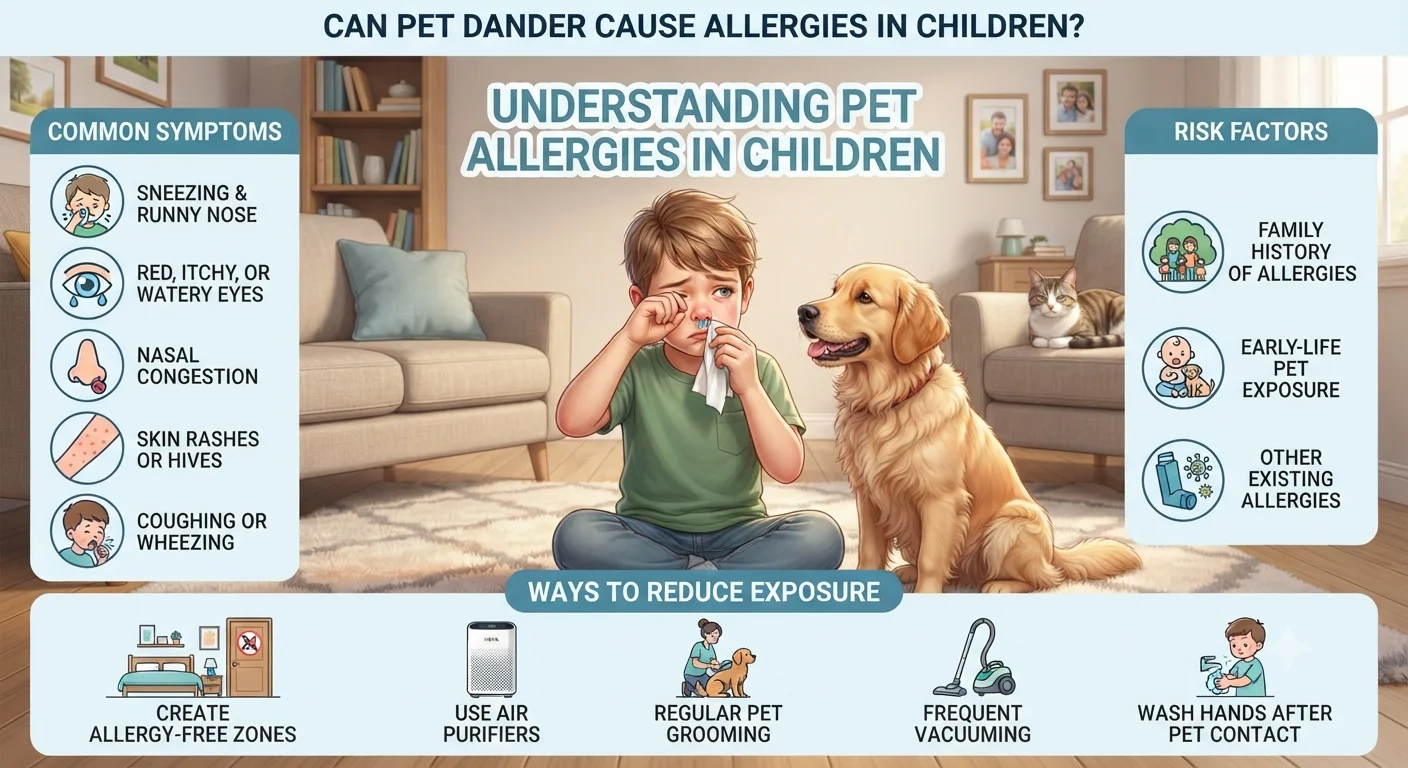
Pets bring companionship, joy, and valuable life lessons to families, but they can also introduce allergens into the home. For many parents, one of the biggest concerns is whether a beloved dog or other household pet could trigger allergies in their children. Understanding pet allergies in children is essential for creating a healthy environment while allowing families to make informed decisions about pet ownership.
Contrary to popular belief, it is not the animal’s fur that usually causes allergic reactions. Instead, the primary trigger is pet dander allergy, which occurs when the immune system reacts to tiny skin flakes, saliva proteins, or urine proteins produced by animals. These microscopic allergens can spread throughout the home and remain in the environment long after a pet leaves the room.
Not every child develops allergies, and having a pet does not automatically mean a child will experience symptoms. However, recognizing the signs of dog allergies and other pet-related allergic reactions allows parents to seek appropriate medical advice and take practical steps to reduce exposure without unnecessary panic.
This guide explains the causes, symptoms, risk factors, diagnosis, prevention strategies, and practical ways to reduce allergen exposure while maintaining a safe and comfortable home.
read more about perfume allergy
What Are Pet Allergies?
Pet allergies occur when the immune system mistakenly identifies harmless proteins from animals as dangerous substances.
Instead of ignoring these proteins, the immune system releases chemicals such as histamine, leading to allergic symptoms.
These reactions can vary from mild discomfort to more significant respiratory problems depending on the child’s sensitivity.
What Is Pet Dander?
Pet dander allergy is one of the most common forms of animal allergy.
Pet dander consists of microscopic flakes of dead skin naturally shed by animals.
These particles are extremely small and lightweight, allowing them to:
- Float in the air.
- Settle on furniture.
- Collect in carpets.
- Stick to clothing.
- Spread through ventilation systems.
Because dander is nearly invisible, many families underestimate how easily it circulates throughout a home.
Is Fur the Real Problem?
Many people believe pet hair itself causes allergies.
In reality, fur mainly acts as a carrier.
Animal hair can collect:
- Dander.
- Saliva.
- Dust.
- Pollen.
- Urine proteins.
When pets groom themselves, saliva dries on their fur, allowing allergy-triggering proteins to spread as hair and dander move around the home.
Which Pets Commonly Cause Allergies?
Several household animals may trigger allergies.
Common examples include:
- Dogs.
- Cats.
- Rabbits.
- Guinea pigs.
- Hamsters.
- Horses.
Among these, dog allergies and cat allergies are among the most frequently diagnosed in children.
Why Do Some Children Develop Allergies?
Not every child exposed to pets develops allergies.
The immune system responds differently in each individual.
Factors influencing allergy development include:
- Genetics.
- Family history.
- Environmental exposure.
- Immune system development.
- Existing allergic conditions.
Some children develop symptoms early in life, while others may not experience problems until later childhood.
How the Immune System Responds
When an allergic child encounters pet allergens, the immune system produces antibodies called Immunoglobulin E (IgE).
These antibodies trigger immune cells to release inflammatory chemicals, leading to familiar allergy symptoms.
Repeated exposure often produces similar reactions unless appropriate management strategies are introduced.
Common Symptoms of Pet Allergies in Children
Recognizing symptoms early helps families seek medical evaluation before problems become more severe.
Common symptoms include:
- Sneezing.
- Runny nose.
- Nasal congestion.
- Itchy eyes.
- Watery eyes.
- Red eyes.
- Coughing.
- Itchy skin.
- Hives.
- Wheezing.
Symptoms often appear shortly after exposure but may also develop gradually.
Respiratory Symptoms
The respiratory system is commonly affected.
Children may experience:
- Frequent sneezing.
- Persistent coughing.
- Shortness of breath.
- Chest tightness.
- Wheezing.
- Difficulty breathing during exercise.
Children with asthma may notice worsening symptoms after contact with pets.
Skin Symptoms
Some children experience allergic skin reactions rather than respiratory symptoms.
Examples include:
- Redness.
- Itching.
- Raised hives.
- Eczema flare-ups.
- Facial irritation.
Direct contact with pets may worsen these reactions.
read more about vitamin deficiency symptoms
Eye Symptoms
The eyes are particularly sensitive to airborne allergens.
Common complaints include:
- Itching.
- Burning.
- Excessive tearing.
- Swelling.
- Redness.
Children often rub their eyes repeatedly, which may further increase irritation.
Can Babies Develop Pet Allergies?
Yes.
Although allergies often become more noticeable during early childhood, infants can also develop allergic reactions.
Parents should consult a pediatrician if babies experience:
- Persistent nasal congestion.
- Unexplained rashes.
- Frequent wheezing.
- Difficulty breathing.
Prompt medical assessment is especially important for infants.
Risk Factors
Several factors increase the likelihood of child allergies.
These include:
- Family history of allergies.
- Existing asthma.
- Eczema.
- Seasonal allergies.
- Allergic rhinitis.
Having one allergic parent increases risk, while two allergic parents increase it even further.
Are Some Dog Breeds Hypoallergenic?
Many people search for “hypoallergenic” dogs.
While certain breeds may shed less hair, no dog is completely allergen-free.
All dogs naturally produce:
- Skin cells.
- Saliva.
- Dander.
- Urine proteins.
As a result, any breed can potentially trigger allergies in sensitive individuals.
How Allergens Spread Indoors
Pet allergens travel surprisingly far.
They may be carried by:
- Air currents.
- Clothing.
- Upholstered furniture.
- Carpets.
- Bedding.
- Curtains.
Even homes without pets can occasionally contain pet allergens brought in on visitors’ clothing.
Seasonal Effects
Although pet allergies occur year-round, seasonal changes may influence symptoms.
For example:
- Closed windows during winter increase indoor allergen concentrations.
- Spring pollen may combine with pet allergens, worsening symptoms.
- Heating and cooling systems can circulate dander throughout the house.
Diagnosing Pet Allergies
Parents should never attempt to diagnose allergies based solely on internet searches.
Healthcare providers may recommend:
- Medical history review.
- Physical examination.
- Skin prick testing.
- Blood tests measuring allergen-specific IgE.
Professional diagnosis helps distinguish pet allergies in children from infections or other medical conditions.
Skin Prick Testing
Skin prick testing is one of the most common allergy evaluations.
Small amounts of suspected allergens are placed on the skin.
A tiny reaction helps identify whether the immune system recognizes the allergen.
The procedure is generally quick and provides valuable information for physicians.
Blood Tests
Blood testing may also help identify allergic sensitivities.
These tests measure antibodies produced against specific allergens.
Blood tests are often useful when skin testing is not appropriate.
Distinguishing Allergies from Colds
Parents sometimes confuse allergies with viral infections.
Important differences include:
Allergies:
- Clear nasal discharge.
- Itchy eyes.
- Sneezing.
- Symptoms continue while exposure persists.
- No fever.
Common colds:
- Fever may occur.
- Thick mucus may develop.
- Symptoms usually improve within one to two weeks.
- Body aches may accompany illness.
Recognizing these differences helps parents seek appropriate care.
When Symptoms Become Serious
Most allergic reactions remain mild.
However, immediate medical attention is necessary if a child develops:
- Severe wheezing.
- Difficulty breathing.
- Rapid swelling.
- Persistent chest tightness.
- Signs of an asthma attack.
These symptoms require prompt evaluation by healthcare professionals.
Emotional Considerations
Pets often become cherished family members.
Learning that a child has dog allergies can be emotionally challenging.
Fortunately, many families successfully manage allergies through practical environmental changes without immediately rehoming their pets.
Can Children Outgrow Pet Allergies?
Some children experience reduced allergy symptoms as they grow older, while others continue having sensitivities into adulthood.
The outcome varies depending on:
- Genetics.
- Immune system development.
- Overall allergic history.
- Environmental factors.
Regular follow-up with healthcare professionals helps monitor changes over time.
Can Exposure Build Tolerance?
Researchers continue studying how early-life pet exposure influences allergy development.
Some studies suggest early exposure may reduce allergy risk in certain children, while others show no clear protective effect.
Because every child is different, parents should avoid intentionally increasing allergen exposure as a preventive strategy without medical guidance.
we’ll explore practical strategies for reducing pet dander allergy exposure, discuss home cleaning techniques, air filtration, grooming, treatment options, asthma considerations, and ways families can safely manage pet allergies in children while maintaining a healthy relationship with their pets.
Reducing Exposure to Pet Allergens at Home
A diagnosis of pet allergies in children does not always mean a family must give up a beloved pet. In many cases, a combination of environmental changes and medical guidance can significantly reduce allergen exposure and improve symptoms.
The goal is not to eliminate every allergen completely—which is nearly impossible—but to lower allergen levels enough to help the child remain comfortable.
Keep Pets Out of the Child’s Bedroom
One of the most effective ways to reduce exposure is to establish an allergen-free sleeping environment.
Ideally, pets should not enter the child’s bedroom.
This helps reduce the amount of:
- Pet dander.
- Hair.
- Saliva proteins.
- Dust mixed with allergens.
Since children spend many hours sleeping, limiting nighttime exposure can make a noticeable difference.
Wash Bedding Frequently
Pet allergens easily settle on fabrics.
Wash regularly:
- Bed sheets.
- Pillowcases.
- Blankets.
- Comforters.
- Mattress protectors.
Using hot water, when appropriate for the fabric, can help remove accumulated allergens more effectively.
Vacuum Regularly
Pet dander collects in carpets, rugs, and upholstered furniture.
Vacuuming several times each week helps reduce allergen buildup.
Vacuums equipped with high-efficiency filtration systems are generally more effective at trapping microscopic particles than standard models.
Consider Hard Flooring
Carpets trap allergens much more easily than hard surfaces.
If possible, choose flooring such as:
- Hardwood.
- Tile.
- Vinyl.
- Laminate.
These materials are easier to clean and allow pet dander to be removed more effectively.
Clean Upholstered Furniture
Sofas and chairs often collect pet allergens.
Regular cleaning may include:
- Vacuuming cushions.
- Washing removable covers.
- Using upholstery cleaning equipment when needed.
Furniture covers that can be washed frequently are also helpful.
Wash Pet Bedding
A pet’s own bedding can become a major source of allergens.
Clean pet beds, blankets, and washable toys regularly to reduce the amount of dander circulating throughout the home.
Groom Pets Consistently
Regular grooming may help reduce loose fur and skin flakes.
Good grooming habits include:
- Brushing the coat.
- Trimming excess fur when appropriate.
- Keeping nails clean.
- Maintaining healthy skin.
Whenever possible, grooming should take place outdoors to minimize allergen spread inside the home.
Bathing Dogs
Bathing dogs according to veterinary recommendations may reduce the amount of loose allergens on their coat.
However, excessive bathing should be avoided because it can dry the skin and potentially increase dander production.
Always use products recommended for pets rather than human shampoos.
Wash Hands After Playing with Pets
Children should develop simple hygiene habits.
Encourage them to:
- Wash their hands after petting animals.
- Avoid rubbing their eyes.
- Wash before eating.
- Change clothes if heavily covered in pet hair.
These routines help reduce allergen transfer.
Use Air Purifiers
Air purifiers equipped with HEPA filters can help remove airborne particles, including some pet allergens.
Although air purifiers cannot eliminate all allergens, they may reduce airborne dander concentrations in frequently used rooms.
They are often most beneficial in:
- Bedrooms.
- Living rooms.
- Home offices.
- Study areas.
Improve Ventilation
Fresh air helps reduce indoor allergen concentration.
Whenever weather allows:
- Open windows.
- Increase natural ventilation.
- Maintain HVAC systems.
- Replace air filters regularly.
Good airflow supports healthier indoor air quality.
Avoid Smoking Indoors
Tobacco smoke can irritate the airways and make allergy symptoms worse.
Children with dog allergies or asthma should not be exposed to secondhand smoke.
Reducing respiratory irritants benefits all family members.
Control Dust
Pet allergens frequently combine with household dust.
Reduce dust accumulation by:
- Dusting with damp cloths.
- Cleaning shelves regularly.
- Washing curtains.
- Removing unnecessary clutter.
Less dust often means fewer airborne allergens.
read more about sleep and immune system
Wash Soft Toys
Stuffed animals can collect pet dander over time.
Wash plush toys regularly, especially if they are kept on beds or frequently handled by children.
Change Clothing After Heavy Exposure
If children spend extended time playing closely with pets, changing clothes afterward may reduce the amount of allergens carried throughout the home.
Dirty clothing should be placed directly into the laundry rather than left on furniture.
Keep Pets Off Furniture
Allowing pets onto sofas and beds increases allergen accumulation.
Teaching pets to use their own beds instead can reduce exposure while maintaining close family interactions.
Consistency is important when establishing these boundaries.
Managing Dog Allergies Outdoors
Outdoor play remains beneficial for both children and pets.
After returning indoors:
- Wipe the dog’s paws.
- Brush away loose debris.
- Remove visible dirt.
- Wash hands after play.
These simple steps reduce the amount of allergens entering the home.
Medical Treatment Options
Environmental control is often combined with medical treatment when symptoms persist.
Healthcare professionals may recommend:
- Antihistamines.
- Nasal corticosteroid sprays.
- Eye drops.
- Asthma medications when appropriate.
Treatment plans should always be individualized based on the child’s symptoms and medical history.
Allergy Immunotherapy
Some children with persistent allergies may be candidates for allergy immunotherapy.
This treatment gradually exposes the immune system to carefully controlled amounts of allergen under medical supervision.
Immunotherapy is not suitable for everyone, but it may reduce symptoms for selected patients over time.
Parents should discuss potential benefits and risks with an allergy specialist.
Pet Allergies and Asthma
Children with asthma may be especially sensitive to pet allergens.
Exposure may contribute to:
- Wheezing.
- Chest tightness.
- Persistent coughing.
- Shortness of breath.
Keeping asthma well controlled through regular medical care is essential.
Families should never stop prescribed asthma medications without consulting their healthcare provider.
Helping Children Emotionally
Discovering that a child has pet dander allergy can be upsetting, particularly if they have a strong bond with the family pet.
Parents should explain allergies in age-appropriate language and reassure children that many families successfully manage allergies while continuing to care for their animals.
Involving children in safe pet care activities can help preserve that relationship while following recommended precautions.
Working with Healthcare Professionals
Managing child allergies is most successful when parents work closely with qualified healthcare providers.
Regular follow-up appointments help:
- Monitor symptom changes.
- Adjust treatment plans.
- Evaluate asthma control if present.
- Discuss new concerns as the child grows.
Each child’s allergy profile is unique, so personalized recommendations are far more effective than one-size-fits-all solutions.
we’ll answer common questions about pet allergies in children, discuss common myths and misconceptions about pet dander allergy and dog allergies, review long-term management strategies, and summarize practical steps families can take to reduce exposure while maintaining a healthy and happy home.
Long-Term Management of Pet Allergies
Managing pet allergies in children is often a long-term process rather than a one-time solution. Symptoms may change as children grow, and environmental factors such as seasonal pollen or respiratory infections can influence how severe allergic reactions become.
The key to successful management is consistency. Small daily habits, regular cleaning, and following a healthcare provider’s recommendations can significantly improve a child’s comfort and quality of life.
Monitoring Symptoms Over Time
Keeping track of allergy symptoms helps parents identify patterns and possible triggers.
Consider recording:
- Sneezing episodes.
- Coughing frequency.
- Eye irritation.
- Skin reactions.
- Asthma symptoms.
- Exposure to pets.
- Seasonal changes.
Sharing this information with your child’s healthcare provider can support more accurate treatment decisions.
Educating Children About Allergies
As children grow older, they should understand their allergies and learn how to manage them responsibly.
Teach them to:
- Wash their hands after touching pets.
- Avoid rubbing their eyes.
- Recognize early allergy symptoms.
- Tell an adult if breathing becomes difficult.
- Follow their treatment plan if prescribed.
Age-appropriate education encourages independence while improving safety.
Should Families Remove Their Pet?
One of the first questions many parents ask after a diagnosis is whether they must rehome their pet.
There is no single answer that fits every family.
The decision depends on several factors, including:
- Symptom severity.
- Presence of asthma.
- Response to treatment.
- Ability to reduce allergen exposure.
- Advice from healthcare professionals.
Many children with mild or moderate allergies successfully live with pets after environmental adjustments and appropriate medical care.
Common Myths About Pet Allergies
Misunderstandings about pet dander allergy are common.
Myth 1: Pet Hair Causes Allergies
False.
Hair itself is not usually the allergen. The proteins found in skin flakes, saliva, and urine are the primary triggers.
Myth 2: Hypoallergenic Dogs Cannot Cause Allergies
False.
No dog is completely allergen-free.
Some breeds may shed less or produce fewer airborne allergens, but all dogs produce proteins capable of triggering allergic reactions.
Myth 3: Keeping Pets Outdoors Eliminates Allergies
Not necessarily.
Pet allergens easily travel indoors on clothing, shoes, and through open doors and windows.
Myth 4: Allergies Always Appear Immediately
False.
Some children develop symptoms after repeated exposure over months or even years.
Others may experience seasonal changes in symptom severity.
Creating an Allergy-Friendly Home
Maintaining a cleaner indoor environment helps reduce allergen exposure.
Helpful habits include:
- Vacuuming frequently.
- Washing bedding weekly.
- Cleaning air filters.
- Dusting with damp cloths.
- Grooming pets regularly.
- Keeping sleeping areas pet-free.
No single strategy completely removes allergens, but combining several approaches often produces the best results.
Supporting Overall Respiratory Health
Healthy lungs are important for all children, especially those with allergies.
Parents can help by:
- Encouraging regular physical activity.
- Avoiding cigarette smoke.
- Maintaining good indoor air quality.
- Treating respiratory infections promptly.
- Following asthma management plans if needed.
Healthy daily habits support better breathing and overall well-being.
Visiting Friends and Relatives with Pets
Children may also encounter allergens outside their own homes.
Before visiting homes with pets:
- Ask whether animals live there.
- Bring prescribed allergy medications if recommended.
- Encourage handwashing after interacting with pets.
- Change clothing after returning home if symptoms develop.
Planning ahead can help reduce unexpected allergic reactions.
Traveling with Allergic Children
Families traveling with children who have dog allergies or other pet allergies should prepare in advance.
Helpful steps include:
- Confirming pet policies at accommodations.
- Packing prescribed medications.
- Bringing allergy action plans if applicable.
- Informing caregivers or relatives about the child’s allergies.
Preparation reduces stress during vacations and family visits.
When to See a Healthcare Professional
Parents should seek medical advice if a child experiences:
- Persistent nasal congestion.
- Frequent sneezing.
- Ongoing itchy or watery eyes.
- Recurrent skin rashes.
- Wheezing.
- Difficulty breathing.
- Symptoms that interfere with sleep or school activities.
Early diagnosis allows appropriate treatment before symptoms become more disruptive.
Frequently Asked Questions
Can pet allergies develop later in childhood?
Yes. Some children tolerate pets for years before developing allergic symptoms, while others experience reactions early in life.
Are dog allergies permanent?
Not always. Some children notice improvements as they grow older, although others continue experiencing symptoms into adulthood.
Can air purifiers cure pet allergies?
No. Air purifiers may help reduce airborne allergens but cannot eliminate allergies or replace medical treatment.
Is it safe for allergic children to play with dogs?
Many children with mild allergies can continue interacting with dogs if symptoms are well managed and exposure is reduced. Families should follow advice from their healthcare provider.
Can bathing a dog eliminate allergens?
No. Bathing may temporarily reduce some allergens on the coat, but dogs naturally continue producing dander and saliva proteins.
Can children with asthma safely own pets?
Some children with asthma can live safely with pets, while others may experience worsening symptoms. This decision should be made together with a qualified healthcare professional.
Should children avoid all animals if they have one pet allergy?
Not necessarily. Being allergic to one type of animal does not automatically mean a child will react to every species.
Do allergy medications cure pet allergies?
No. Medications help control symptoms but do not permanently eliminate the underlying allergy.
Is allergy testing painful?
Most allergy tests cause only mild discomfort and are generally well tolerated by children.
Can cleaning alone eliminate pet allergens?
Cleaning significantly reduces allergen levels but cannot completely remove all pet allergens from the home.
Practical Tips for Parents
Managing child allergies becomes easier when simple routines become part of everyday life.
Remember to:
- Keep bedrooms as allergen-free as possible.
- Wash hands after pet contact.
- Groom pets regularly.
- Clean the home consistently.
- Replace HVAC filters on schedule.
- Follow medical advice carefully.
- Monitor symptoms over time.
- Encourage children to communicate when they feel unwell.
These habits can reduce allergen exposure while supporting a healthy home environment.
read more about cleaning tips for dog owners
Understanding pet allergies in children helps families make informed decisions without unnecessary fear or confusion. Although pet dander allergy is a common cause of allergic reactions, many children can continue enjoying life with their pets through a combination of environmental changes, regular cleaning, and appropriate medical care. Recognizing symptoms early, identifying individual risk factors, and working closely with healthcare professionals are essential steps toward effective long-term management.
For children experiencing dog allergies or other pet-related sensitivities, reducing exposure rather than eliminating every possible allergen is often the most realistic approach. Simple measures such as keeping pets out of bedrooms, using high-quality air filtration, maintaining consistent grooming routines, and following personalized treatment plans can make a meaningful difference.
Every child is unique, and allergy severity varies from one individual to another. By staying informed, monitoring symptoms, and creating a cleaner indoor environment, parents can help their children enjoy the benefits of family pets while minimizing the impact of allergies. With patience, consistency, and professional guidance, many families successfully balance pet ownership with a healthy and comfortable home for everyone.