

Blog
How to Keep Your Home Clean When You Have a Dog

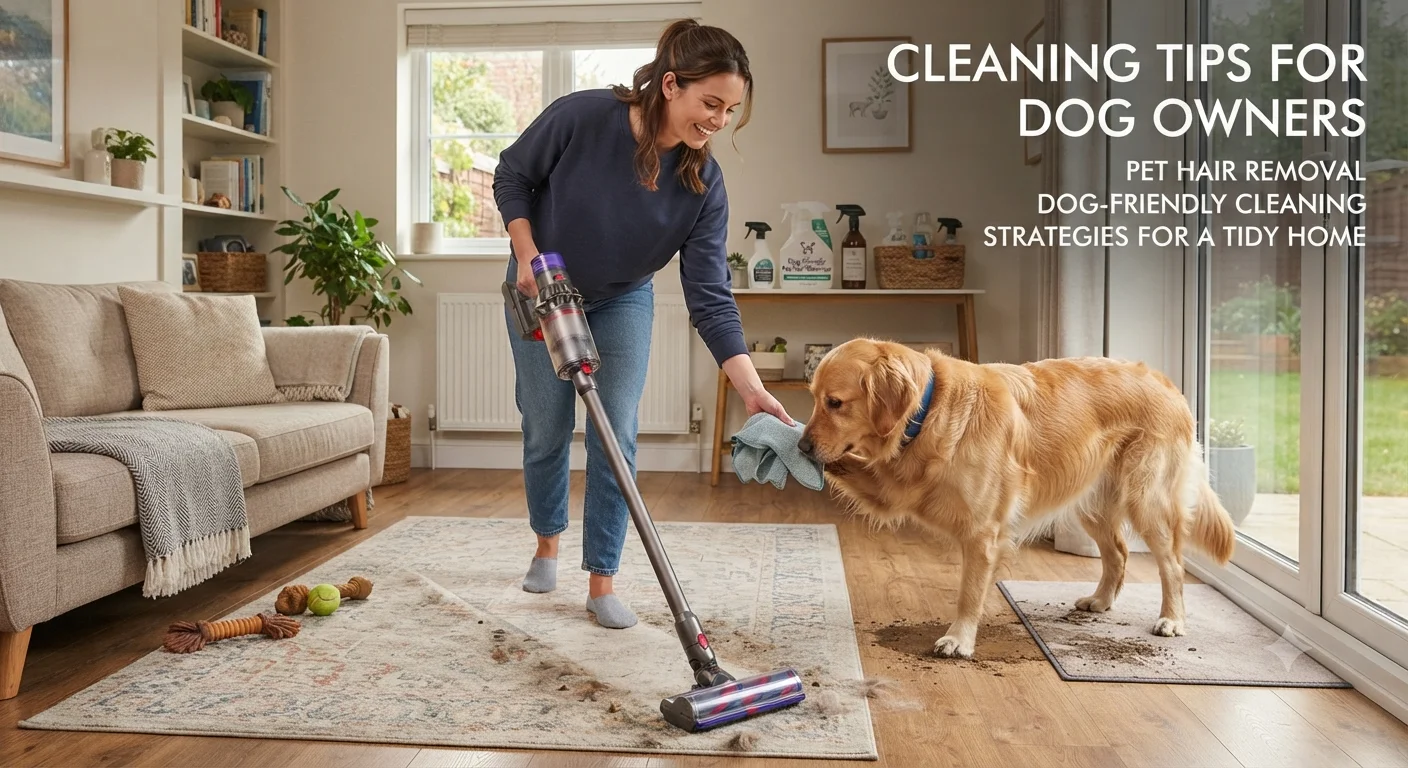
Sharing your home with a dog brings endless joy, companionship, and unforgettable memories. From wagging tails that greet you after a long day to playful moments that brighten every corner of your home, dogs quickly become beloved family members. However, they also introduce unique cleaning challenges. Muddy paws, shedding fur, food spills, pet odors, and occasional accidents can make maintaining a tidy living space feel like a constant task.
Fortunately, keeping a clean house doesn’t mean sacrificing the happiness of your four-legged friend. With the right routines, cleaning tools, and preventative measures, you can enjoy both a spotless home and a healthy environment for your pet. Following effective cleaning tips for dog owners not only improves the appearance of your home but also reduces allergens, extends the life of furniture, and creates a safer living space for everyone.
Whether you have a playful puppy or a senior dog, this comprehensive guide shares practical strategies for pet hair removal, maintaining a clean home with pets, and creating a successful dog-friendly cleaning routine that fits into your daily life.
read more about perfume allergy
Why Cleanliness Matters in Homes with Dogs
Living with dogs naturally introduces more dirt than homes without pets. Every walk outdoors brings dust, pollen, grass, and moisture back inside. Even indoor dogs shed fur, spread dander, and occasionally leave behind muddy paw prints.
A clean home offers several important benefits:
- Reduces allergens
- Minimizes unpleasant odors
- Improves indoor air quality
- Protects flooring and furniture
- Creates a healthier environment
- Reduces bacteria buildup
- Makes cleaning easier over time
Rather than waiting for dirt to accumulate, regular maintenance keeps cleaning manageable.
Build a Daily Cleaning Routine
The biggest secret to maintaining a clean home with pets isn’t deep cleaning every weekend—it’s completing small cleaning tasks every day.
Daily habits prevent dirt from becoming overwhelming.
A simple routine might include:
- Wiping muddy paws
- Vacuuming high-traffic areas
- Cleaning food bowls
- Emptying pet waste
- Brushing your dog
- Checking water spills
- Removing visible fur
These tasks usually take only a few minutes but significantly reduce larger cleaning jobs later.
Brush Your Dog Regularly
One of the most effective methods of pet hair removal actually begins before loose fur reaches your furniture.
Regular brushing removes dead hair before it falls throughout your home.
Benefits include:
- Less shedding
- Healthier coat
- Improved skin health
- Reduced tangles
- Better circulation
- Cleaner furniture
Different breeds require different grooming schedules.
Short-Haired Dogs
Many short-coated breeds benefit from brushing:
- Two to three times weekly
Medium-Coated Dogs
These breeds often require:
- Three to five brushing sessions each week
Long-Haired Dogs
Long-haired breeds may need:
- Daily brushing
Consistent grooming dramatically reduces indoor hair accumulation.
Choose the Right Grooming Tools
Different coat types require different brushes.
Popular options include:
- Slicker brushes
- Bristle brushes
- Undercoat rakes
- Grooming gloves
- Deshedding tools
- Fine-tooth combs
Using the correct tool improves grooming effectiveness while making your dog more comfortable.
Create a Paw Cleaning Station
Paws collect:
- Dirt
- Mud
- Sand
- Grass
- Snow
- Road salt
- Bacteria
Instead of allowing your dog to track debris through the house, create a cleaning station near your entrance.
Keep supplies nearby:
- Soft towels
- Paw wipes
- Warm water
- Paw-cleaning cup
- Small mat
Cleaning paws immediately after walks greatly reduces indoor mess.
Use Washable Entry Mats
High-quality entry mats trap dirt before it spreads.
Choose mats that are:
- Machine washable
- Highly absorbent
- Slip resistant
- Durable
Placing mats both outside and inside entry doors creates two layers of protection.
Vacuum Frequently
Vacuuming remains one of the most essential cleaning tips for dog owners.
Rather than vacuuming only once each week, focus on consistency.
High-traffic areas often benefit from:
- Daily vacuuming
Other rooms may only require:
- Two or three sessions weekly
Frequent vacuuming removes:
- Hair
- Dander
- Dust
- Allergens
- Dirt
This also improves indoor air quality.
Select a Vacuum Designed for Pet Owners
Pet-specific vacuums often include specialized features such as:
- Strong suction
- HEPA filters
- Hair-resistant brush rolls
- Upholstery tools
- Stair attachments
- Easy-empty dust bins
These features make pet hair removal faster and more efficient.
Don’t Forget Furniture
Hair rarely stays on floors.
Dogs frequently leave fur on:
- Sofas
- Chairs
- Cushions
- Beds
- Blankets
Regularly vacuum upholstered furniture using dedicated upholstery attachments.
Lint rollers also work well for quick touch-ups.
Wash Dog Bedding Weekly
Dog beds absorb:
- Fur
- Dirt
- Saliva
- Skin oils
- Odors
Wash removable covers weekly whenever possible.
Choose beds with machine-washable covers to simplify maintenance.
Fresh bedding benefits both your home and your dog’s health.
Clean Food and Water Bowls Daily
Food bowls can quickly accumulate bacteria.
Daily washing helps prevent:
- Odors
- Mold
- Bacteria
- Food residue
Use warm water and pet-safe dish soap.
Water bowls should also be rinsed and refilled with fresh water every day.
Wipe Up Water Spills Immediately
Many dogs splash water while drinking.
Standing moisture can:
- Damage flooring
- Encourage mold
- Create slippery surfaces
Absorbent feeding mats help contain spills and simplify cleanup.
Bathe Your Dog Appropriately
Bathing frequency depends on:
- Breed
- Coat type
- Activity level
- Skin condition
Overbathing may dry out your dog’s skin, while infrequent bathing allows dirt and odors to accumulate.
Consult your veterinarian or groomer for breed-specific recommendations.
read more about immune-boosting foods
Reduce Dog Odors Naturally
Dogs naturally have scent, but excessive odor often indicates poor hygiene or insufficient cleaning.
Simple odor-control methods include:
- Regular grooming
- Washing bedding
- Vacuuming carpets
- Cleaning toys
- Opening windows
- Using air purifiers
Avoid heavily scented products that may irritate sensitive dogs.
Improve Indoor Air Quality
Air quality significantly affects both humans and pets.
Helpful strategies include:
- HEPA air purifiers
- Regular ventilation
- HVAC filter replacement
- Frequent dusting
- Vacuuming
Cleaner air reduces allergens and creates a fresher home environment.
Wash Dog Toys Regularly
Dog toys collect:
- Saliva
- Dirt
- Food residue
- Bacteria
Different toys require different cleaning methods.
Soft toys:
- Machine wash when appropriate
Rubber toys:
- Wash with warm soapy water
Hard plastic toys:
- Sanitize regularly
Rotating toys also reduces clutter.
Keep Cleaning Supplies Pet Safe
Many household cleaners contain chemicals harmful to animals.
Always store cleaning products:
- In locked cabinets
- Above floor level
- Away from food
Choose pet-safe cleaning products whenever possible.
Never allow dogs onto recently cleaned surfaces until completely dry.
Clean Accidents Quickly
Accidents occasionally happen—even with well-trained dogs.
Immediate cleaning prevents:
- Permanent stains
- Lingering odors
- Repeat accidents
Blot liquids instead of rubbing them deeper into carpet fibers.
Use enzyme-based cleaners designed specifically for pet messes.
Prevent Odors Before They Start
Odor prevention remains easier than odor removal.
Helpful habits include:
- Daily brushing
- Weekly bedding washes
- Regular grooming
- Frequent vacuuming
- Cleaning food bowls
- Emptying trash promptly
Small preventive habits produce noticeable long-term results.
Organize Dog Supplies
Dogs come with many accessories.
Examples include:
- Leashes
- Harnesses
- Toys
- Grooming brushes
- Treats
- Waste bags
- Medications
Keeping everything organized reduces visual clutter while making daily routines easier.
Storage baskets, cabinets, and labeled containers work especially well.
Use Washable Furniture Covers
If your dog enjoys relaxing on furniture, washable covers simplify maintenance.
Benefits include:
- Easier cleaning
- Furniture protection
- Hair control
- Reduced stains
Simply remove and wash covers regularly instead of cleaning entire sofas.
Sweep Hard Floors Daily
Hair often gathers along walls and corners.
Daily sweeping removes:
- Fur
- Dust
- Dirt
- Food crumbs
Microfiber dust mops work particularly well because they attract hair instead of simply pushing it around.
Mop with Pet-Safe Products
Hard floors benefit from regular mopping.
Always use cleaning products specifically labeled as safe for homes with pets.
Avoid harsh chemicals containing ingredients that may irritate paws or respiratory systems.
Rotate Blankets and Throws
Many owners use blankets to protect furniture.
Wash them frequently to remove:
- Hair
- Dirt
- Odors
Keeping multiple blankets allows one to remain in use while another is being washed.
Establish Dog-Free Zones
Not every room needs to be accessible.
Many families designate certain spaces as:
- Guest bedrooms
- Home offices
- Formal living rooms
Dog-free areas naturally remain cleaner and provide tidy spaces when needed.
Encourage Good Indoor Habits
Training supports cleanliness just as much as cleaning itself.
Teach your dog commands such as:
- Wait
- Stay
- Leave it
- Go to bed
- Wipe paws (with assistance)
Good behavior reduces many common household messes before they occur.
Regular Nail Trimming Protects Floors
Long nails can:
- Scratch hardwood
- Damage laminate
- Tear carpets
Keeping nails trimmed not only protects your floors but also improves your dog’s comfort and mobility.
Regular maintenance is an important part of any dog-friendly cleaning routine.
Deep Cleaning Your Home Every Week
Daily cleaning keeps dirt under control, but weekly deep cleaning helps eliminate the buildup that naturally occurs in homes with dogs. Setting aside time each week for more detailed cleaning will make your home healthier and easier to maintain.
A weekly cleaning routine should include:
- Vacuuming all carpets and rugs
- Mopping hard floors
- Dusting furniture and shelves
- Washing dog bedding
- Cleaning windows and glass doors
- Disinfecting food and water bowls
- Sanitizing pet toys
- Emptying and cleaning trash bins
Breaking these tasks into smaller sections throughout the week can make the process less overwhelming.
Keep Carpets Looking Fresh
Carpets often collect the largest amount of pet hair, dirt, and odors.
To keep carpets clean:
- Vacuum in multiple directions.
- Treat stains immediately.
- Deep clean every few months.
- Use baking soda before vacuuming to reduce odors.
- Rotate area rugs to distribute wear evenly.
Regular maintenance extends the life of your carpets while improving indoor air quality.
Cleaning Hardwood Floors with Dogs
Hardwood flooring is attractive but requires proper care when you have pets.
Helpful habits include:
- Sweep daily.
- Wipe muddy paws before entering.
- Clean spills immediately.
- Use microfiber mops.
- Avoid excessive water.
Protective rugs placed in high-traffic areas can reduce scratches caused by active dogs.
Caring for Tile and Vinyl Floors
Tile and vinyl flooring are popular choices because they are easier to maintain.
Routine care includes:
- Sweeping daily
- Mopping weekly
- Cleaning grout lines
- Removing water spots
- Using pet-safe cleaning products
These surfaces are generally more resistant to moisture than carpet or hardwood.
Effective Pet Hair Removal from Furniture
Furniture often becomes covered in dog hair, especially if your dog enjoys relaxing on sofas or chairs.
Simple pet hair removal methods include:
- Rubber gloves
- Lint rollers
- Vacuum upholstery attachments
- Damp microfiber cloths
- Fabric brushes
Vacuum upholstered furniture at least once each week to prevent hair buildup.
Removing Pet Hair from Clothing
Dog hair can cling stubbornly to clothing.
To minimize the problem:
- Store clean clothes in closed closets.
- Use dryer sheets before washing.
- Shake clothing outside before laundering.
- Keep lint rollers near the entrance.
These small habits reduce the amount of pet hair carried throughout your home.
Keep Curtains and Blinds Clean
Curtains collect:
- Dust
- Hair
- Dander
- Outdoor pollen
Wash or vacuum curtains regularly.
For blinds:
- Dust weekly.
- Wipe with a damp microfiber cloth.
- Vacuum fabric shades when appropriate.
Window coverings are often overlooked but contribute significantly to overall cleanliness.
Don’t Forget Walls and Baseboards
Dogs occasionally shake water, brush against walls, or leave nose prints near windows and doors.
During deep cleaning:
- Wipe baseboards.
- Clean wall corners.
- Remove nose prints from glass.
- Dust door frames.
These details help your home look noticeably cleaner.
Maintain a Clean Entryway
The entrance is where most outdoor dirt enters your home.
Create a practical entry station with:
- Shoe storage
- Dog towels
- Paw wipes
- Waste bags
- Leash hooks
- Storage basket for outdoor accessories
A well-organized entrance supports an efficient dog-friendly cleaning routine.
Keep Outdoor Areas Clean
If your dog has access to a yard, regular outdoor maintenance is equally important.
Tasks include:
- Picking up waste daily
- Washing outdoor bowls
- Cleaning patios
- Sweeping decks
- Removing fallen leaves
A cleaner yard means less dirt entering the house.
Organize Cleaning Supplies
Keeping supplies in one location makes cleaning faster.
Useful items include:
- Microfiber cloths
- Pet-safe disinfectants
- Vacuum attachments
- Lint rollers
- Enzyme cleaners
- Disposable gloves
- Spray bottles
- Paper towels
Being prepared encourages consistent cleaning habits.
Use Air Purifiers
Dogs naturally produce dander, one of the most common indoor allergens.
Air purifiers equipped with HEPA filters help remove:
- Pet dander
- Dust
- Pollen
- Hair particles
Cleaner air benefits both pet owners and visitors.
Wash Dog Accessories Frequently
Many accessories are forgotten during regular cleaning.
Remember to wash:
- Harnesses
- Leashes
- Collars
- Travel blankets
- Seat covers
- Crate liners
Keeping these items clean also helps reduce odors throughout your home.
Cleaning Your Dog’s Crate
If your dog uses a crate, it should become part of your cleaning schedule.
Clean regularly by:
- Removing bedding.
- Vacuuming loose hair.
- Wiping all surfaces.
- Washing crate mats.
- Allowing everything to dry completely.
A clean crate provides a healthier resting place.
Freshen the Air Naturally
Instead of masking odors with strong fragrances, focus on eliminating their source.
Helpful approaches include:
- Opening windows
- Improving ventilation
- Washing fabrics regularly
- Cleaning pet bedding
- Using activated charcoal odor absorbers
Fresh air creates a healthier environment for both people and pets.
Prevent Dirt Before It Enters
Preventive measures save considerable cleaning time.
Simple ideas include:
- Walking dogs on cleaner paths when possible.
- Trimming fur around paws.
- Keeping towels near every entrance.
- Cleaning paws immediately after walks.
Stopping dirt at the door remains one of the best cleaning tips for dog owners.
Make Grooming Part of Your Cleaning Routine
Many owners separate grooming from house cleaning, but they work together.
Regular grooming reduces:
- Shedding
- Dirt
- Odors
- Loose undercoat
- Skin flakes
A well-groomed dog naturally creates a cleaner home.
Seasonal Cleaning Tips
Each season presents unique challenges.
Spring
Focus on:
- Removing winter dirt
- Controlling seasonal shedding
- Cleaning windows
- Washing outdoor gear
Summer
Pay attention to:
- Sand
- Grass stains
- Increased outdoor activity
- Cooling mats
Autumn
Expect:
- Leaves
- Mud
- Wet paws
- Additional vacuuming
Winter
Prepare for:
- Snow
- Road salt
- Moisture
- Heavy coats
Adjusting your routine throughout the year helps maintain a consistently clean home with pets.
Managing Heavy Shedding Seasons
Many breeds shed more during seasonal coat changes.
Increase grooming frequency by:
- Brushing daily
- Vacuuming more often
- Washing blankets weekly
- Using deshedding tools
Managing shedding proactively reduces the amount of loose fur inside your home.
Teaching Children to Help
If children live with your dog, involve them in simple cleaning responsibilities.
Age-appropriate tasks include:
- Filling water bowls
- Organizing toys
- Folding clean blankets
- Brushing the dog with supervision
- Refilling waste bag dispensers
This encourages responsibility while reducing household workload.
Reduce Clutter
A clutter-free home is much easier to clean.
Limit unnecessary pet items by organizing:
- Toys
- Blankets
- Grooming products
- Food containers
- Treat jars
Storage baskets and cabinets help maintain an organized appearance.
Cleaning After Rainy Walks
Rain creates one of the biggest cleaning challenges.
Keep a rainy-day station near your entrance containing:
- Large towels
- Paw wipes
- Waterproof mat
- Brush
- Dry blanket
Dry your dog thoroughly before allowing access to carpets or furniture.
Develop a Monthly Deep Cleaning Schedule
Some tasks require less frequent attention.
Monthly cleaning can include:
- Washing walls
- Cleaning behind furniture
- Deep cleaning upholstery
- Shampooing carpets
- Washing curtains
- Cleaning air vents
- Inspecting dog toys for damage
Regular deep cleaning prevents long-term dirt buildup.
read more about vitamin deficiency symptoms
Stay Consistent Rather Than Perfect
One of the most valuable cleaning tips for dog owners is understanding that perfection isn’t the goal.
Dogs naturally create some mess.
The objective is maintaining a healthy, comfortable environment through consistent routines instead of occasional intensive cleaning.
Small daily efforts almost always outperform infrequent marathon cleaning sessions.
Build Habits That Last
Creating a lasting dog-friendly cleaning routine doesn’t require expensive equipment or hours of work every day. Instead, focus on habits that become part of your lifestyle.
Examples include:
- Brushing your dog before bedtime.
- Vacuuming high-traffic areas every evening.
- Washing food bowls after meals.
- Checking paws before entering.
- Returning toys to storage each night.
Over time, these habits become automatic and significantly reduce the effort required to maintain a clean home with pets.
By combining preventative care, regular grooming, effective pet hair removal, and consistent household cleaning, dog owners can enjoy a home that feels fresh, organized, and welcoming while still giving theirfurry companions the freedom to live comfortably.
Smart Cleaning Habits That Save Time
One of the biggest challenges for dog owners is finding enough time to clean consistently. Fortunately, keeping your home tidy doesn’t require hours of work every day. Developing efficient habits can significantly reduce the amount of time spent cleaning while maintaining a fresh living environment.
Some time-saving habits include:
- Making your bed every morning.
- Vacuuming one room each day instead of the entire house.
- Wiping kitchen floors after your dog’s meals.
- Putting toys away before bedtime.
- Cleaning spills immediately.
- Emptying the vacuum after each use.
Small actions performed consistently prevent larger cleaning tasks from becoming overwhelming.
Create a Dog Cleaning Checklist
Having a checklist helps ensure no important task is forgotten.
Daily Tasks
- Brush your dog.
- Wipe paws after walks.
- Clean food and water bowls.
- Vacuum high-traffic areas.
- Remove visible pet hair.
- Check for accidents.
- Wash feeding mats if necessary.
Weekly Tasks
- Wash bedding.
- Vacuum furniture.
- Mop floors.
- Dust shelves.
- Sanitize toys.
- Clean windows near your dog’s favorite spots.
Monthly Tasks
- Shampoo carpets.
- Wash curtains.
- Clean air vents.
- Inspect pet supplies.
- Deep clean crates.
- Rotate blankets and furniture covers.
Following a schedule makes cleaning feel more manageable.
How to Reduce Pet Hair Around the House
Shedding is unavoidable for most breeds, but it can be controlled.
Effective pet hair removal starts with prevention rather than constant cleanup.
Helpful strategies include:
- Daily brushing during shedding seasons.
- Feeding a balanced diet that supports coat health.
- Regular veterinary checkups.
- Using washable furniture covers.
- Vacuuming consistently.
- Washing blankets frequently.
Healthy skin and a healthy coat often result in less loose fur throughout the home.
Cleaning Different Types of Furniture
Each furniture material requires a slightly different cleaning approach.
Fabric Sofas
Clean by:
- Vacuuming weekly.
- Using lint rollers.
- Washing removable covers.
- Spot-cleaning stains immediately.
Leather Furniture
Leather requires:
- Soft microfiber cloths.
- Gentle cleaning solutions.
- Regular conditioning.
- Immediate spill cleanup.
Leather typically attracts less pet hair than fabric but still benefits from regular maintenance.
Wooden Furniture
Dust and wipe regularly to remove:
- Hair
- Paw prints
- Dust
- Dander
Avoid excessive moisture when cleaning wooden surfaces.
Managing Dog Odors Room by Room
Different areas of your home may require different odor-control strategies.
Living Room
Focus on:
- Vacuuming rugs.
- Washing blankets.
- Cleaning upholstery.
- Ventilating the room.
Kitchen
Maintain cleanliness by:
- Washing bowls daily.
- Cleaning feeding mats.
- Removing food spills.
- Emptying trash regularly.
Bedroom
Keep bedding fresh by:
- Washing blankets.
- Vacuuming mattresses occasionally.
- Brushing dogs before bedtime.
- Using washable pillow covers if dogs share the bed.
Cleaning During Puppy Training
Puppies naturally create additional messes while learning household routines.
Prepare by keeping:
- Enzyme cleaners
- Paper towels
- Disposable gloves
- Extra towels
- Training pads
Quick responses prevent odors from setting into carpets and flooring.
Patience is equally important during this stage.
Keeping Your Car Clean
Dogs don’t only affect your home—they also leave hair and dirt inside vehicles.
To maintain a cleaner car:
- Use waterproof seat covers.
- Vacuum regularly.
- Keep lint rollers in the glove compartment.
- Store towels for muddy paws.
- Clean windows after trips.
Portable handheld vacuums are especially useful for vehicle interiors.
Preparing for Guests
Many dog owners worry about unexpected visitors.
A quick 15-minute cleaning routine can make a noticeable difference.
Focus on:
- Vacuuming visible hair.
- Wiping surfaces.
- Emptying trash.
- Freshening the air naturally.
- Organizing dog toys.
- Cleaning food bowls.
Simple preparation helps your home feel welcoming without requiring hours of work.
Preventing Allergens
Dogs naturally produce dander, which can affect allergy sufferers.
Reduce allergens by:
- Vacuuming with HEPA filters.
- Washing bedding frequently.
- Using air purifiers.
- Dusting regularly.
- Grooming your dog consistently.
Maintaining low allergen levels creates a healthier indoor environment.
Safe Cleaning Products for Homes with Dogs
Not every household cleaner is suitable for pets.
When choosing products, avoid ingredients that may be harmful if inhaled, touched, or accidentally ingested by your dog.
Look for products that are:
- Clearly labeled as pet-safe.
- Non-toxic when used as directed.
- Free from harsh chemical residues.
- Safe for multiple floor types.
Always follow the manufacturer’s instructions and keep dogs away from freshly cleaned areas until surfaces are completely dry.
Eco-Friendly Dog-Friendly Cleaning
Many homeowners prefer environmentally friendly cleaning solutions.
Eco-conscious habits include:
- Using reusable microfiber cloths.
- Washing cleaning pads instead of using disposable ones.
- Reducing unnecessary paper towel use.
- Choosing refillable cleaning bottles.
- Conserving water during routine cleaning.
These practices support both your household and the environment.
Signs Your Home Needs a Deep Clean
Even with regular maintenance, every home occasionally requires extra attention.
Watch for signs such as:
- Persistent odors.
- Visible pet hair after vacuuming.
- Stained furniture.
- Dust buildup.
- Increased allergy symptoms.
- Dirty air vents.
Recognizing these signs early helps prevent bigger cleaning challenges.
Common Cleaning Mistakes Dog Owners Should Avoid
Many people unintentionally create more work for themselves.
Avoid these common mistakes:
Waiting Too Long Between Vacuuming
Pet hair becomes much harder to remove once it settles into carpets and upholstery.
Skipping Grooming
Ignoring grooming results in significantly more shedding indoors.
Using Strong Fragrances
Powerful air fresheners often mask odors rather than removing them and may irritate sensitive pets.
Forgetting Water Bowls
Standing water around bowls can encourage mold and damage certain types of flooring.
Ignoring Dog Toys
Dirty toys may accumulate bacteria if not cleaned regularly.
Frequently Asked Questions
How often should I vacuum if I have a dog?
Most dog owners benefit from vacuuming high-traffic areas daily or every other day, while the entire home should typically be vacuumed at least once or twice a week. Heavy-shedding breeds may require more frequent vacuuming.
What is the best method for pet hair removal?
The most effective pet hair removal strategy combines regular brushing, consistent vacuuming, washable furniture covers, lint rollers, and grooming tools designed for your dog’s coat type.
How can I keep a clean home with pets without spending hours cleaning?
The key is consistency. Short daily cleaning sessions, regular grooming, and preventing dirt from entering your home are much more effective than occasional deep cleaning marathons.
Are robot vacuums useful for dog owners?
Yes. Robot vacuums help maintain floors between regular cleaning sessions by collecting loose pet hair, dust, and dirt each day. They work especially well in homes with hard flooring or low-pile carpets.
How do I reduce dog odors naturally?
Regular bathing when appropriate, washing bedding, cleaning toys, brushing your dog, improving ventilation, and using air purifiers all help reduce odors without relying on heavy fragrances.
Are pet-safe cleaning products necessary?
Yes. Products formulated for dog-friendly cleaning reduce the risk of exposing pets to ingredients that may irritate their skin, paws, or respiratory system.
read more about sun glasses
Living with a dog doesn’t mean accepting a constantly messy home. With the right habits, practical routines, and preventative care, it is entirely possible to enjoy a fresh, organized, and hygienic living space while giving your dog the freedom to be a happy member of the family. The goal is not perfection but consistency—small daily efforts make a much bigger difference than occasional intensive cleaning sessions.
The most effective cleaning tips for dog owners begin with prevention. Regular grooming, wiping paws after walks, washing bedding, cleaning food bowls, and vacuuming frequently all help stop dirt, fur, and odors from spreading throughout your home. Preventative care reduces the amount of time needed for larger cleaning tasks while creating a healthier environment for both pets and people.
Effective pet hair removal also requires a combination of strategies rather than relying on a single solution. Brushing your dog regularly, using high-quality vacuum cleaners, protecting furniture with washable covers, and cleaning fabrics consistently will significantly reduce loose fur around the house. Combined with proper nutrition and routine grooming, these habits help keep shedding under control.
Maintaining a clean home with pets also means choosing safe cleaning products, organizing pet supplies, improving indoor air quality, and establishing routines that every member of the household can follow. Whether you have a playful puppy or a senior companion, consistent maintenance creates a comfortable environment where everyone can relax.
remember that dog-friendly cleaning is about balancing cleanliness with your pet’s well-being. Select non-toxic products, clean accidents promptly, maintain good ventilation, and create designated areas for feeding, sleeping, and grooming. By working smarter rather than harder, you’ll spend less time worrying about messes and more time enjoying the companionship, loyalty, and happiness that dogs bring into your home.