

Blog
How to Build a Healthy Diet for Everyday Life

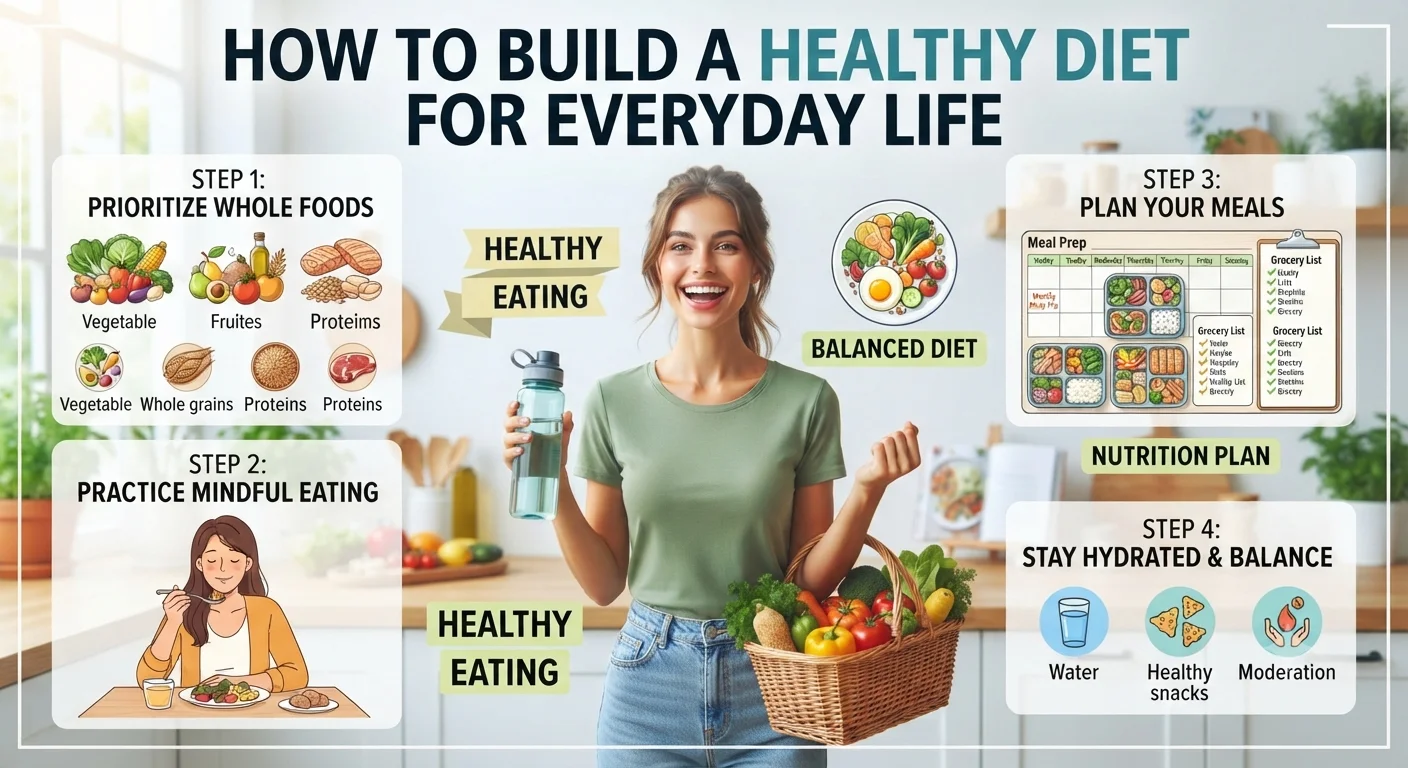
A healthy diet is not about strict food restrictions, temporary weight-loss trends, or eliminating entire food groups. Instead, it is a sustainable way of eating that provides your body with the nutrients it needs to function properly while supporting long-term physical and mental well-being. Developing healthy eating habits doesn’t require perfection. Small, consistent improvements often lead to the greatest long-term success.
Many people associate healthy eating with complicated meal plans or expensive superfoods, but the truth is much simpler. A well-planned balanced diet can include a wide variety of affordable, enjoyable foods that nourish the body while fitting into everyday life. Whether your goal is maintaining a healthy weight, increasing energy, improving athletic performance, or reducing the risk of chronic diseases, creating a realistic nutrition plan is one of the best investments you can make in your health.
This comprehensive guide explains how to build lasting healthy eating habits, understand nutritional fundamentals, make smarter food choices, and create a lifestyle that supports lifelong wellness.
read more about vitamin deficiency symptoms
Why a Healthy Diet Matters
Supporting Overall Health
Every cell in your body depends on nutrients from food to function properly. A nutritious diet supports:
- Brain function
- Heart health
- Muscle growth
- Bone strength
- Immune function
- Hormone production
- Digestive health
Eating well contributes to better health at every stage of life.
Increasing Daily Energy
Food serves as your body’s primary source of energy. A consistent healthy diet helps stabilize energy levels throughout the day, reducing fatigue and improving concentration.
Meals rich in whole grains, lean proteins, fruits, vegetables, and healthy fats provide longer-lasting energy compared with highly processed foods high in added sugars.
Reducing Disease Risk
Research consistently shows that a nutritious balanced diet may help lower the risk of several chronic health conditions, including:
- Heart disease
- Type 2 diabetes
- High blood pressure
- Obesity
- Certain types of cancer
Healthy eating also supports healthy aging and overall quality of life.
Understanding the Basics of Nutrition
Before creating a nutrition plan, it’s helpful to understand the nutrients your body needs.
Carbohydrates
Carbohydrates are the body’s preferred energy source.
Healthy carbohydrate choices include:
- Whole grains
- Brown rice
- Oats
- Sweet potatoes
- Fruits
- Vegetables
- Legumes
These foods provide fiber, vitamins, and minerals in addition to energy.
Protein
Protein supports:
- Muscle repair
- Growth
- Immune function
- Hormone production
- Enzyme activity
Healthy protein sources include:
- Chicken
- Fish
- Eggs
- Greek yogurt
- Beans
- Lentils
- Tofu
- Lean beef
Aim to include protein with each meal to promote satiety and muscle maintenance.
Healthy Fats
Not all fats are unhealthy.
Beneficial fats can be found in:
- Avocados
- Olive oil
- Nuts
- Seeds
- Fatty fish
Healthy fats support brain function, hormone production, and nutrient absorption.
Vitamins and Minerals
Micronutrients are essential despite being needed in smaller amounts.
A colorful diet rich in fruits and vegetables naturally provides many important vitamins and minerals.
Fiber
Fiber supports digestive health and helps you feel full after meals.
Excellent sources include:
- Whole grains
- Fruits
- Vegetables
- Beans
- Lentils
- Seeds
Most people benefit from increasing their daily fiber intake gradually while drinking adequate water.
Building a Balanced Diet
A balanced diet includes foods from multiple food groups rather than focusing excessively on one category.
Each meal should ideally contain:
Lean protein
Supports muscle maintenance and satiety.
Complex carbohydrates
Provide sustained energy.
Healthy fats
Support overall health and improve satisfaction after meals.
Vegetables
Supply vitamins, minerals, antioxidants, and fiber.
Fruits
Offer natural sweetness along with essential nutrients.
Combining these food groups creates meals that are both nutritious and satisfying.
Creating a Sustainable Nutrition Plan
Many diets fail because they are too restrictive.
Instead of eliminating favorite foods entirely, create habits that are realistic enough to maintain for years.
Set Realistic Goals
Examples include:
- Eating vegetables with lunch and dinner.
- Drinking more water.
- Cooking at home more often.
- Choosing whole grains.
- Reducing sugary beverages.
Small improvements accumulate over time.
Focus on Consistency
Healthy eating is about long-term patterns rather than individual meals.
Occasional treats fit comfortably within a sustainable healthy diet.
Plan Ahead
Meal planning reduces impulsive food choices.
Consider planning:
- Breakfast
- Lunch
- Dinner
- Snacks
before the week begins.
Healthy Breakfast Ideas
Breakfast provides an opportunity to fuel your body after an overnight fast.
Balanced breakfast ideas include:
- Oatmeal with berries and nuts.
- Greek yogurt with fruit.
- Eggs with whole-grain toast.
- Smoothies with fruit, spinach, and protein.
- Cottage cheese with fresh fruit.
A nutritious breakfast can improve concentration and support energy throughout the morning.
Building Healthy Lunches
A satisfying lunch helps maintain productivity during the afternoon.
Include:
- Lean protein
- Whole grains
- Vegetables
- Healthy fats
Examples include:
- Grilled chicken salad
- Turkey sandwich on whole-grain bread
- Brown rice with vegetables and tofu
- Lentil soup with whole-grain bread
Preparing Balanced Dinners
Dinner should replenish nutrients while supporting recovery from daily activities.
Examples include:
- Grilled salmon with roasted vegetables.
- Chicken stir-fry with brown rice.
- Bean chili with vegetables.
- Baked chicken with sweet potatoes.
- Whole-grain pasta with lean turkey and vegetables.
Aim to fill a significant portion of your plate with vegetables.
Smart Snacking
Healthy snacks help manage hunger between meals.
Nutritious choices include:
- Fresh fruit
- Mixed nuts
- Yogurt
- Carrot sticks
- Hummus
- Cottage cheese
- Whole-grain crackers
Snacks should complement your overall nutrition plan, not replace balanced meals.
Staying Hydrated
Water supports virtually every system in the body.
Proper hydration contributes to:
- Temperature regulation
- Digestion
- Joint lubrication
- Cognitive function
- Exercise performance
Carry a reusable water bottle to encourage regular hydration throughout the day.
Portion Control
Eating nutritious foods is important, but portion sizes also matter.
Helpful strategies include:
Using smaller plates
This may help prevent overeating.
Eating slowly
Your body needs time to recognize fullness.
Listening to hunger cues
Eat when hungry and stop when comfortably satisfied.
Avoiding distractions
Eating while watching television or scrolling on your phone may increase mindless eating.
Healthy Eating at Restaurants
Dining out doesn’t have to disrupt your healthy eating goals.
Consider:
- Choosing grilled rather than fried foods.
- Ordering vegetables as side dishes.
- Requesting dressings on the side.
- Drinking water instead of sugary beverages.
- Sharing large portions.
Simple adjustments can significantly improve meal quality.
read more about sleep and immune system
Grocery Shopping Tips
Successful healthy eating often begins at the grocery store.
Prepare a shopping list before visiting.
Focus on:
- Fresh produce
- Whole grains
- Lean proteins
- Dairy or fortified alternatives
- Healthy fats
Limit purchases of heavily processed snack foods whenever possible.
Meal Preparation
Preparing meals in advance saves time while supporting healthier choices.
Meal prep may include:
- Cooking proteins ahead of time.
- Washing vegetables.
- Portioning snacks.
- Preparing overnight oats.
- Freezing healthy meals.
Having nutritious options readily available reduces reliance on convenience foods.
Healthy Eating for Busy Lifestyles
Even busy schedules can accommodate healthy habits.
Practical strategies include:
- Keeping healthy snacks nearby.
- Preparing lunches the night before.
- Cooking larger batches for leftovers.
- Using frozen vegetables.
- Choosing simple recipes with minimal ingredients.
Consistency matters more than complexity.
Comparing Healthy and Highly Processed Foods
| Healthy Choice | Less Nutritious Alternative |
|---|---|
| Whole fruit | Sugary candy |
| Water | Sugary soda |
| Brown rice | Refined white rice (frequent use) |
| Whole-grain bread | White bread |
| Grilled chicken | Fried chicken |
| Greek yogurt | Sweetened desserts |
| Oatmeal | Sugary breakfast cereals |
| Mixed nuts | Potato chips |
Choosing nutrient-dense foods more often supports long-term health without requiring perfection.
Common Healthy Eating Myths
Myth: Healthy food is always expensive.
Many affordable foods, including beans, oats, eggs, frozen vegetables, and seasonal fruits, provide excellent nutrition.
Myth: Carbohydrates should always be avoided.
Whole-food carbohydrate sources remain an important part of a balanced diet.
Myth: Fat should be eliminated.
Healthy fats are essential for many bodily functions.
Myth: Skipping meals helps with weight management.
Skipping meals may increase hunger later and make balanced eating more difficult.
Myth: Every meal must be perfect.
Long-term consistency matters much more than occasional indulgences.