
Blog
Early Signs of a Weak Immune System

The immune system is one of the body’s most remarkable defense mechanisms. Every day, it works continuously to identify and eliminate viruses, bacteria, fungi, and other potentially harmful microorganisms. Most of the time, we don’t even notice this complex process because our immune system quietly protects us from countless threats.
However, when the body’s defenses become less effective, even minor infections may occur more frequently or take longer to resolve. While occasional colds or infections are a normal part of life, experiencing repeated illnesses or certain persistent symptoms may raise questions about immune health.
It’s important to remember that many of the warning signs discussed in this article can have causes unrelated to the immune system. Only a qualified healthcare professional can diagnose an immune disorder or determine whether symptoms are related to a weak immune system. Nevertheless, understanding these early signs can help you recognize when it’s appropriate to seek medical advice.
In this comprehensive guide, we’ll explore the most common low immunity symptoms, explain what they may indicate, discuss factors that influence immune function, and share practical ways to support overall immune health.
read more about cleaning tips for dog owners
What Is the Immune System?
The immune system is a network of organs, cells, proteins, and tissues that work together to defend the body.
Major components include:
- White blood cells
- Bone marrow
- Lymph nodes
- Spleen
- Thymus
- Skin
- Mucous membranes
Together, these systems identify harmful invaders and coordinate appropriate immune responses.
What Does a Weak Immune System Mean?
A weak immune system does not necessarily mean the immune system has completely stopped working.
Instead, it generally refers to reduced effectiveness in protecting the body from infections.
Some people experience temporary decreases in immune function due to lifestyle factors, while others may have underlying medical conditions that affect immunity.
Why Immune Health Matters
Healthy immune function helps the body:
- Fight infections
- Heal injuries
- Recover from illnesses
- Respond to vaccines
- Protect against harmful microorganisms
Supporting immune health contributes to overall well-being.
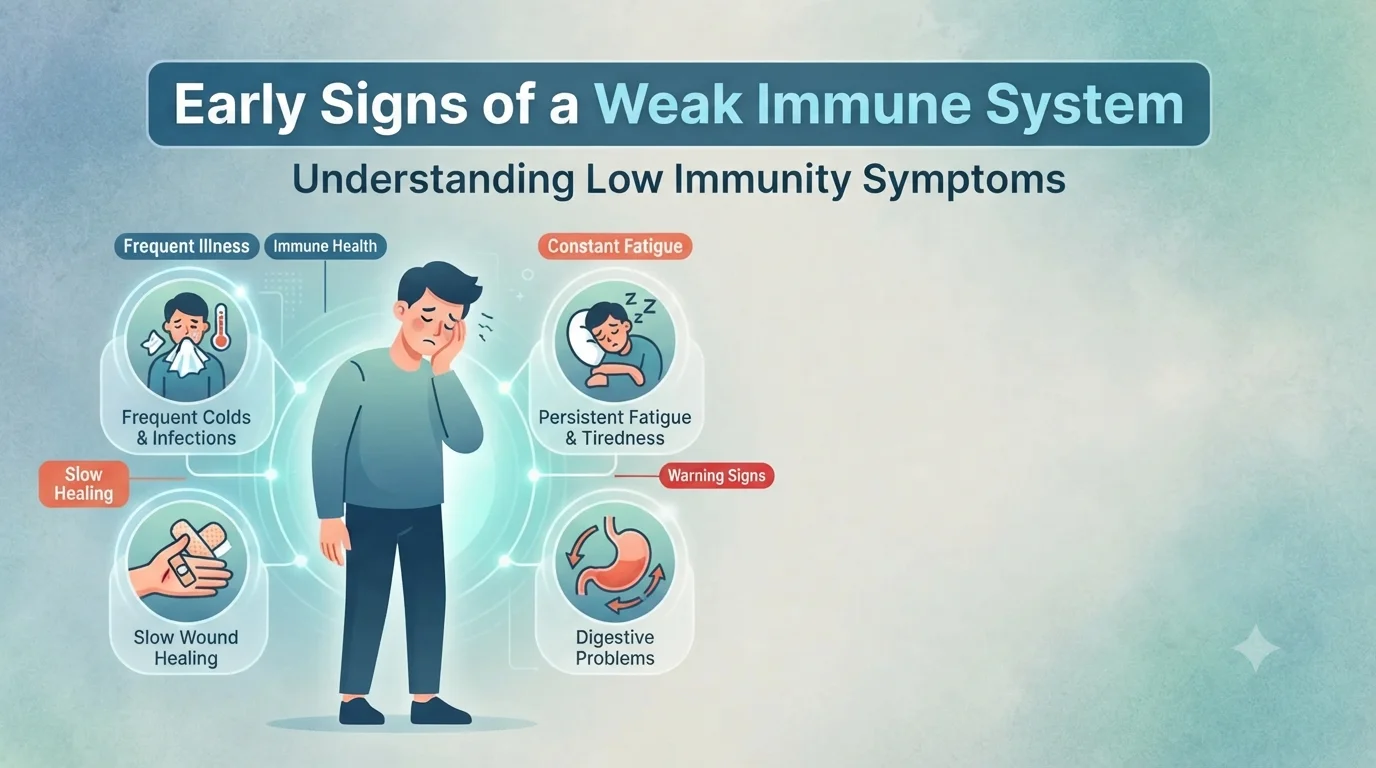
Early Warning Sign 1: Frequent Colds
Most adults experience occasional colds each year.
However, repeatedly developing respiratory infections may deserve medical evaluation.
Examples include:
- Multiple colds within a short period
- Recurrent sinus infections
- Repeated sore throats
Frequent illness alone doesn’t confirm immune dysfunction, but it may warrant further investigation.
Early Warning Sign 2: Infections That Last Longer Than Expected
Sometimes infections resolve more slowly than usual.
Examples include:
- Lingering coughs
- Persistent sinus congestion
- Prolonged sore throats
- Slow recovery after viral illnesses
Delayed recovery may have multiple possible causes, including underlying medical conditions.
Early Warning Sign 3: Frequent Ear Infections
Repeated ear infections can sometimes indicate underlying immune concerns, particularly when infections occur unusually often.
Medical evaluation is especially important if infections become recurrent.
Early Warning Sign 4: Recurrent Sinus Infections
Occasional sinus infections are common.
However, repeated episodes occurring several times each year should be discussed with a healthcare provider.
Persistent nasal congestion and facial pressure may also have non-immune causes such as allergies.
Early Warning Sign 5: Persistent Fatigue
Feeling tired after a busy week is normal.
Persistent fatigue that continues despite adequate rest deserves medical attention.
Fatigue has many possible causes including:
- Sleep disorders
- Stress
- Nutritional deficiencies
- Thyroid disorders
- Chronic illnesses
Immune-related conditions represent only one possible explanation.
Early Warning Sign 6: Slow Wound Healing
Minor cuts and scrapes normally heal gradually.
If wounds consistently heal unusually slowly, this may indicate underlying health issues.
Proper wound healing depends on:
- Good circulation
- Adequate nutrition
- Healthy immune responses
Early Warning Sign 7: Digestive Problems
A large portion of immune activity involves the digestive tract.
Persistent gastrointestinal symptoms may include:
- Frequent diarrhea
- Ongoing stomach discomfort
- Bloating
- Chronic digestive disturbances
Digestive symptoms have many possible causes, making proper medical assessment important.
Early Warning Sign 8: Frequent Skin Infections
The skin acts as the body’s first protective barrier.
Repeated skin infections may occasionally indicate problems affecting immune defenses.
Examples include:
- Cellulitis
- Recurrent boils
- Persistent fungal infections
Early Warning Sign 9: Oral Thrush or Frequent Mouth Infections
Occasional mouth infections happen for various reasons.
However, repeated oral fungal infections should be evaluated by a healthcare professional.
Early Warning Sign 10: Persistent Swollen Lymph Nodes
Lymph nodes often enlarge temporarily during infections.
If swelling persists after illness resolves, medical evaluation is recommended.
Early Warning Sign 11: Recurrent Pneumonia
Repeated episodes of pneumonia may indicate underlying health concerns.
Prompt medical assessment is essential.
Early Warning Sign 12: Frequent Need for Antibiotics
Repeated bacterial infections requiring multiple courses of antibiotics each year may prompt further investigation into possible contributing factors.
Early Warning Sign 13: Chronic Stress and Illness
Long-term stress may influence several aspects of health, including immune function.
Stress may contribute to:
- Poor sleep
- Reduced exercise
- Unhealthy eating
- Increased susceptibility to illness
Managing stress supports overall wellness.
Early Warning Sign 14: Constant Feeling of Being Sick
Some individuals feel they never fully recover between illnesses.
Persistent symptoms may include:
- Low energy
- Ongoing congestion
- Mild sore throat
- General discomfort
This pattern deserves medical evaluation.
Risk Factors That Can Affect Immune Health
Many factors influence immune function.
Examples include:
- Poor sleep
- Chronic stress
- Smoking
- Excessive alcohol consumption
- Poor nutrition
- Aging
- Certain medications
- Chronic diseases
Addressing modifiable lifestyle factors may help support immune health.
Nutrition and the Immune System
A balanced diet supplies nutrients involved in normal immune function.
Important nutrients include:
- Vitamin C
- Vitamin D
- Zinc
- Iron
- Protein
- Selenium
Rather than focusing on one “immune-boosting” food, aim for a varied diet.
Foods That Support Immune Health
Nutritious choices include:
- Citrus fruits
- Berries
- Leafy greens
- Yogurt
- Nuts
- Seeds
- Beans
- Fish
- Eggs
- Whole grains
These foods provide vitamins and minerals needed for overall health.
Sleep Supports Healthy Immunity
Sleep allows the body to perform essential repair processes.
Most adults benefit from consistent, adequate sleep each night.
Poor sleep may affect multiple aspects of physical and mental health.
Physical Activity
Regular exercise contributes to overall wellness.
Moderate activity supports:
- Cardiovascular health
- Stress management
- Healthy body weight
- General immune function
Extremely intense exercise without adequate recovery may temporarily affect immunity.
Hydration Matters
Water supports numerous bodily functions.
Adequate hydration helps maintain:
- Circulation
- Temperature regulation
- Overall health
Carry a reusable water bottle throughout the day.
Personal Hygiene Helps Prevent Illness
Good hygiene reduces exposure to infectious organisms.
Important habits include:
- Handwashing
- Covering coughs
- Cleaning frequently touched surfaces
- Safe food preparation
These practices complement healthy immune function.
Vaccination Supports Protection
Vaccines help prepare the immune system to recognize specific infectious diseases.
Following recommended vaccination schedules contributes to public and personal health.
read more about pet allergies in children
When Should You See a Healthcare Professional?
Seek medical advice if you experience:
- Repeated infections
- Persistent fever
- Significant weight loss
- Slow wound healing
- Unexplained fatigue
- Frequent illnesses
Early evaluation helps identify underlying causes.
Conditions That May Affect Immunity
Various medical conditions can influence immune function.
Examples include:
- Diabetes
- Certain autoimmune disorders
- HIV infection
- Some cancers
- Malnutrition
Only medical evaluation can determine whether these conditions are present.
Common Myths About Immune Health
Myth: Supplements Can Replace Healthy Habits
Supplements may be appropriate in certain situations, but they do not replace balanced nutrition, adequate sleep, exercise, and medical care.
Myth: Getting Sick Means Your Immune System Has Failed
Occasional infections are normal.
The immune system constantly encounters new microorganisms.
Myth: One Food Can Instantly Strengthen Immunity
No single food can immediately improve immune function.
Healthy habits matter most over time.
Lifestyle Habits That Influence Immune Health
While genetics and certain medical conditions affect immunity, daily lifestyle choices also play a significant role in maintaining immune health. Small habits practiced consistently over time often have a greater impact than occasional attempts to “boost” the immune system.
Healthy routines help your body function efficiently and support its natural defense mechanisms.
Important habits include:
- Eating a balanced diet
- Sleeping consistently
- Exercising regularly
- Managing stress
- Staying hydrated
- Avoiding smoking
- Limiting alcohol consumption
- Following recommended vaccinations
These practices contribute to overall health and may help reduce the likelihood of frequent illness.
The Connection Between Stress and the Immune System
Stress is a normal part of life, but chronic stress can affect many body systems.
Long-term stress may contribute to:
- Poor sleep quality
- Unhealthy eating habits
- Reduced physical activity
- Fatigue
- Difficulty concentrating
Together, these factors may influence overall immune health.
Managing stress doesn’t eliminate every illness, but it supports overall physical and mental well-being.
Helpful stress-management techniques include:
- Regular exercise
- Meditation
- Deep breathing
- Spending time outdoors
- Talking with friends or family
- Practicing hobbies
- Maintaining a healthy work-life balance
Why Sleep Is Essential
Sleep is one of the body’s most important recovery processes.
During sleep, the body carries out numerous repair and regulatory functions.
Adults generally benefit from obtaining enough quality sleep on a consistent schedule.
Poor sleep habits may contribute to:
- Daytime fatigue
- Reduced concentration
- Mood changes
- Increased susceptibility to infections
Improving sleep quality often begins with simple habits:
- Maintaining a regular bedtime
- Limiting screen time before bed
- Keeping the bedroom cool and dark
- Avoiding excessive caffeine late in the day
Nutrition and Immune Function
No single food can completely prevent illness.
However, a balanced diet provides the vitamins, minerals, protein, and healthy fats needed to support normal immune function.
Aim to include:
Fruits
Examples include:
- Oranges
- Berries
- Apples
- Kiwi
- Grapefruit
Vegetables
Choose a variety of:
- Spinach
- Broccoli
- Carrots
- Bell peppers
- Sweet potatoes
Protein Sources
Include foods such as:
- Fish
- Eggs
- Chicken
- Beans
- Lentils
- Greek yogurt
Whole Grains
Examples include:
- Brown rice
- Oats
- Whole-wheat bread
- Quinoa
A diverse diet generally provides a wider range of nutrients.
Hydration Supports Overall Health
Water supports countless processes throughout the body.
Even mild dehydration can affect:
- Energy levels
- Physical performance
- Concentration
- General well-being
Most people should drink fluids regularly throughout the day, adjusting intake based on activity level and climate.
Exercise and Immune Health
Regular physical activity benefits multiple body systems.
Moderate exercise supports:
- Heart health
- Healthy weight
- Mental well-being
- Stress reduction
Examples include:
- Walking
- Cycling
- Swimming
- Yoga
- Strength training
Consistency is generally more beneficial than occasional intense workouts.
Common Low Immunity Symptoms
Although many symptoms have multiple possible causes, recurring patterns may warrant medical attention.
Potential low immunity symptoms include:
- Frequent respiratory infections
- Recurrent sinus infections
- Persistent fatigue
- Slow wound healing
- Frequent skin infections
- Ongoing digestive issues
- Repeated ear infections
- Recurring oral infections
These symptoms alone do not confirm a weakened immune system but should be discussed with a healthcare professional if persistent.
Why Some People Get Sick More Often
Many factors influence how often someone becomes ill.
These include:
- Exposure to viruses
- Occupation
- Household size
- Sleep habits
- Nutrition
- Chronic medical conditions
- Age
- Stress levels
For example, teachers, healthcare workers, and parents of young children may encounter infectious illnesses more frequently simply because of increased exposure.
The Importance of Hand Hygiene
Proper handwashing remains one of the most effective ways to reduce the spread of infectious diseases.
Wash your hands:
- Before eating
- After using the restroom
- After coughing or sneezing
- After touching frequently used surfaces
- Before preparing food
Soap and water are usually the preferred method when available.
Smoking and Immune Health
Smoking affects many organs throughout the body.
It also damages the respiratory system’s natural defenses, making it harder to clear harmful particles and microorganisms.
Quitting smoking provides significant health benefits regardless of age.
Alcohol and Immunity
Moderation is important.
Heavy alcohol consumption may negatively affect several aspects of health, including immune function.
Following recommended guidelines supports overall wellness.
Medical Conditions Associated with Frequent Illness
Several health conditions may contribute to frequent illness.
Examples include:
- Diabetes
- Asthma
- Chronic lung disease
- Kidney disease
- Certain autoimmune diseases
- HIV infection
- Some cancers
Only proper medical evaluation can determine the underlying cause of recurring infections.
Medications That May Affect Immunity
Certain medications intentionally reduce immune activity.
Examples include medications used after organ transplantation or for some autoimmune conditions.
If you’re taking medications that affect the immune system, follow your healthcare provider’s recommendations carefully.
Never stop prescribed medications without medical advice.
Children’s Immune Systems
Young children naturally experience more infections than adults because their immune systems are still developing.
Frequent colds in early childhood are often considered a normal part of immune development.
Parents should consult a pediatrician if they have concerns about repeated or unusually severe infections.
Older Adults and Immunity
Immune function gradually changes with age.
Older adults may have an increased risk of:
- Respiratory infections
- Pneumonia
- Complications from influenza
Healthy lifestyle habits remain important throughout life.
Myths About Weak Immune Systems
Myth: Every Cold Means You Have a Weak Immune System
Occasional infections are normal.
Most healthy adults experience respiratory infections from time to time.
Myth: Supplements Can Prevent Every Illness
While supplements may be appropriate for individuals with specific deficiencies, they cannot replace healthy eating, sleep, exercise, and medical care.
Myth: More Vitamins Always Mean Better Immunity
Taking excessive amounts of vitamins does not necessarily improve immune health and may even be harmful in some cases.
Follow professional medical advice regarding supplementation.
Myth: You Can Instantly Strengthen Your Immune System
Healthy immune function develops through long-term lifestyle habits rather than overnight solutions.
Questions to Ask Your Healthcare Provider
If you experience repeated infections, consider discussing questions such as:
- Do my symptoms require additional testing?
- Could another medical condition explain these infections?
- Are any medications affecting my immune system?
- Should I have blood tests?
- Are vaccinations up to date?
These conversations can help identify appropriate next steps.
Frequently Asked Questions
What are the most common low immunity symptoms?
Common low immunity symptoms may include frequent infections, persistent fatigue, slow wound healing, recurrent sinus infections, repeated skin infections, and digestive problems. Because these symptoms have many possible causes, medical evaluation is important.
How often is frequent illness considered abnormal?
Occasional infections are expected, especially during cold and flu seasons. However, repeated, severe, or unusually persistent infections should be discussed with a healthcare provider.
Can stress affect immune health?
Yes. Chronic stress may influence immune health indirectly by affecting sleep, eating habits, physical activity, and overall well-being.
Does eating healthy prevent all illnesses?
No. A balanced diet supports normal immune function, but it cannot guarantee protection from every infection.
Can dehydration affect the immune system?
Adequate hydration supports normal body functions, including those involved in maintaining overall health, although hydration alone cannot prevent illness.