
Nutrition

How to Build a Healthy Diet for Everyday Life

How to Build a Healthy Diet for Everyday Life
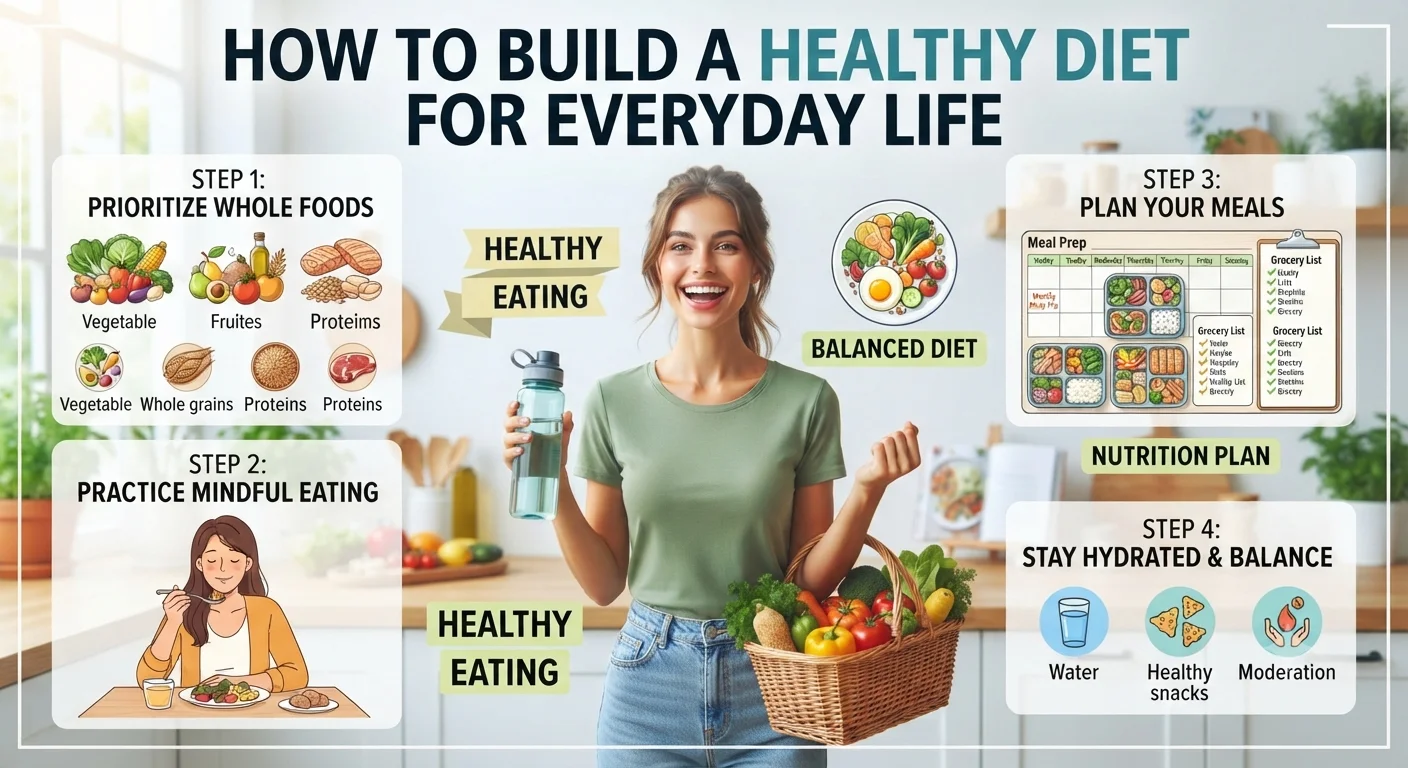
A healthy diet is not about strict food restrictions, temporary weight-loss trends, or eliminating entire food groups. Instead, it is a sustainable way of eating that provides your body with the nutrients it needs to function properly while supporting long-term physical and mental well-being. Developing healthy eating habits doesn’t require perfection. Small, consistent improvements often lead to the greatest long-term success.

Many people associate healthy eating with complicated meal plans or expensive superfoods, but the truth is much simpler. A well-planned balanced diet can include a wide variety of affordable, enjoyable foods that nourish the body while fitting into everyday life. Whether your goal is maintaining a healthy weight, increasing energy, improving athletic performance, or reducing the risk of chronic diseases, creating a realistic nutrition plan is one of the best investments you can make in your health.

This comprehensive guide explains how to build lasting healthy eating habits, understand nutritional fundamentals, make smarter food choices, and create a lifestyle that supports lifelong wellness.

read more about vitamin deficiency symptoms

Why a Healthy Diet Matters

Supporting Overall Health

Every cell in your body depends on nutrients from food to function properly. A nutritious diet supports:

  • Brain function
  • Heart health
  • Muscle growth
  • Bone strength
  • Immune function
  • Hormone production
  • Digestive health

Eating well contributes to better health at every stage of life.

Increasing Daily Energy

Food serves as your body’s primary source of energy. A consistent healthy diet helps stabilize energy levels throughout the day, reducing fatigue and improving concentration.

Meals rich in whole grains, lean proteins, fruits, vegetables, and healthy fats provide longer-lasting energy compared with highly processed foods high in added sugars.

Reducing Disease Risk

Research consistently shows that a nutritious balanced diet may help lower the risk of several chronic health conditions, including:

  • Heart disease
  • Type 2 diabetes
  • High blood pressure
  • Obesity
  • Certain types of cancer

Healthy eating also supports healthy aging and overall quality of life.

Understanding the Basics of Nutrition

Before creating a nutrition plan, it’s helpful to understand the nutrients your body needs.

Carbohydrates

Carbohydrates are the body’s preferred energy source.

Healthy carbohydrate choices include:

  • Whole grains
  • Brown rice
  • Oats
  • Sweet potatoes
  • Fruits
  • Vegetables
  • Legumes

These foods provide fiber, vitamins, and minerals in addition to energy.

Protein

Protein supports:

  • Muscle repair
  • Growth
  • Immune function
  • Hormone production
  • Enzyme activity

Healthy protein sources include:

  • Chicken
  • Fish
  • Eggs
  • Greek yogurt
  • Beans
  • Lentils
  • Tofu
  • Lean beef

Aim to include protein with each meal to promote satiety and muscle maintenance.

Healthy Fats

Not all fats are unhealthy.

Beneficial fats can be found in:

  • Avocados
  • Olive oil
  • Nuts
  • Seeds
  • Fatty fish

Healthy fats support brain function, hormone production, and nutrient absorption.

Vitamins and Minerals

Micronutrients are essential despite being needed in smaller amounts.

A colorful diet rich in fruits and vegetables naturally provides many important vitamins and minerals.

Fiber

Fiber supports digestive health and helps you feel full after meals.

Excellent sources include:

  • Whole grains
  • Fruits
  • Vegetables
  • Beans
  • Lentils
  • Seeds

Most people benefit from increasing their daily fiber intake gradually while drinking adequate water.

Building a Balanced Diet

A balanced diet includes foods from multiple food groups rather than focusing excessively on one category.

Each meal should ideally contain:

Lean protein

Supports muscle maintenance and satiety.

Complex carbohydrates

Provide sustained energy.

Healthy fats

Support overall health and improve satisfaction after meals.

Vegetables

Supply vitamins, minerals, antioxidants, and fiber.

Fruits

Offer natural sweetness along with essential nutrients.

Combining these food groups creates meals that are both nutritious and satisfying.

Creating a Sustainable Nutrition Plan

Many diets fail because they are too restrictive.

Instead of eliminating favorite foods entirely, create habits that are realistic enough to maintain for years.

Set Realistic Goals

Examples include:

  • Eating vegetables with lunch and dinner.
  • Drinking more water.
  • Cooking at home more often.
  • Choosing whole grains.
  • Reducing sugary beverages.

Small improvements accumulate over time.

Focus on Consistency

Healthy eating is about long-term patterns rather than individual meals.

Occasional treats fit comfortably within a sustainable healthy diet.

Plan Ahead

Meal planning reduces impulsive food choices.

Consider planning:

  • Breakfast
  • Lunch
  • Dinner
  • Snacks

before the week begins.

Healthy Breakfast Ideas

Breakfast provides an opportunity to fuel your body after an overnight fast.

Balanced breakfast ideas include:

  • Oatmeal with berries and nuts.
  • Greek yogurt with fruit.
  • Eggs with whole-grain toast.
  • Smoothies with fruit, spinach, and protein.
  • Cottage cheese with fresh fruit.

A nutritious breakfast can improve concentration and support energy throughout the morning.

Building Healthy Lunches

A satisfying lunch helps maintain productivity during the afternoon.

Include:

  • Lean protein
  • Whole grains
  • Vegetables
  • Healthy fats

Examples include:

  • Grilled chicken salad
  • Turkey sandwich on whole-grain bread
  • Brown rice with vegetables and tofu
  • Lentil soup with whole-grain bread

Preparing Balanced Dinners

Dinner should replenish nutrients while supporting recovery from daily activities.

Examples include:

  • Grilled salmon with roasted vegetables.
  • Chicken stir-fry with brown rice.
  • Bean chili with vegetables.
  • Baked chicken with sweet potatoes.
  • Whole-grain pasta with lean turkey and vegetables.

Aim to fill a significant portion of your plate with vegetables.

Smart Snacking

Healthy snacks help manage hunger between meals.

Nutritious choices include:

  • Fresh fruit
  • Mixed nuts
  • Yogurt
  • Carrot sticks
  • Hummus
  • Cottage cheese
  • Whole-grain crackers

Snacks should complement your overall nutrition plan, not replace balanced meals.

Staying Hydrated

Water supports virtually every system in the body.

Proper hydration contributes to:

  • Temperature regulation
  • Digestion
  • Joint lubrication
  • Cognitive function
  • Exercise performance

Carry a reusable water bottle to encourage regular hydration throughout the day.

Portion Control

Eating nutritious foods is important, but portion sizes also matter.

Helpful strategies include:

Using smaller plates

This may help prevent overeating.

Eating slowly

Your body needs time to recognize fullness.

Listening to hunger cues

Eat when hungry and stop when comfortably satisfied.

Avoiding distractions

Eating while watching television or scrolling on your phone may increase mindless eating.

Healthy Eating at Restaurants

Dining out doesn’t have to disrupt your healthy eating goals.

Consider:

  • Choosing grilled rather than fried foods.
  • Ordering vegetables as side dishes.
  • Requesting dressings on the side.
  • Drinking water instead of sugary beverages.
  • Sharing large portions.

Simple adjustments can significantly improve meal quality.

read more about sleep and immune system

Grocery Shopping Tips

Successful healthy eating often begins at the grocery store.

Prepare a shopping list before visiting.

Focus on:

  • Fresh produce
  • Whole grains
  • Lean proteins
  • Dairy or fortified alternatives
  • Healthy fats

Limit purchases of heavily processed snack foods whenever possible.

Meal Preparation

Preparing meals in advance saves time while supporting healthier choices.

Meal prep may include:

  • Cooking proteins ahead of time.
  • Washing vegetables.
  • Portioning snacks.
  • Preparing overnight oats.
  • Freezing healthy meals.

Having nutritious options readily available reduces reliance on convenience foods.

Healthy Eating for Busy Lifestyles

Even busy schedules can accommodate healthy habits.

Practical strategies include:

  • Keeping healthy snacks nearby.
  • Preparing lunches the night before.
  • Cooking larger batches for leftovers.
  • Using frozen vegetables.
  • Choosing simple recipes with minimal ingredients.

Consistency matters more than complexity.

Comparing Healthy and Highly Processed Foods

Healthy Choice Less Nutritious Alternative
Whole fruit Sugary candy
Water Sugary soda
Brown rice Refined white rice (frequent use)
Whole-grain bread White bread
Grilled chicken Fried chicken
Greek yogurt Sweetened desserts
Oatmeal Sugary breakfast cereals
Mixed nuts Potato chips

Choosing nutrient-dense foods more often supports long-term health without requiring perfection.

Common Healthy Eating Myths

Myth: Healthy food is always expensive.

Many affordable foods, including beans, oats, eggs, frozen vegetables, and seasonal fruits, provide excellent nutrition.

Myth: Carbohydrates should always be avoided.

Whole-food carbohydrate sources remain an important part of a balanced diet.

Myth: Fat should be eliminated.

Healthy fats are essential for many bodily functions.

Myth: Skipping meals helps with weight management.

Skipping meals may increase hunger later and make balanced eating more difficult.

Myth: Every meal must be perfect.

Long-term consistency matters much more than occasional indulgences.

Building Healthy Eating Habits That Last

One of the biggest challenges people face is not starting a healthy diet, but maintaining it over time. Many eating plans fail because they rely on strict rules, unrealistic expectations, or complete elimination of favorite foods. Sustainable success comes from creating habits that fit naturally into everyday life.

Instead of focusing on perfection, focus on progress. Small improvements practiced consistently often produce better long-term results than dramatic changes that are difficult to maintain.

Start with One Habit at a Time

Trying to change everything at once can feel overwhelming.

Begin with one simple goal, such as:

  • Drinking more water.
  • Eating vegetables with lunch.
  • Cooking dinner at home three nights a week.
  • Replacing sugary drinks with water.
  • Eating breakfast every morning.

Once that habit becomes automatic, introduce another healthy change.

Build Consistency

Healthy eating is not determined by one meal or one day.

A sustainable nutrition plan emphasizes consistent choices over weeks, months, and years.

If one meal isn’t ideal, simply return to your normal routine at the next meal instead of giving up entirely.

Mindful Eating

Mindful eating encourages greater awareness of your body’s hunger and fullness signals.

Rather than eating quickly or while distracted, focus on the meal itself.

Helpful practices include:

Eat Slowly

Slower eating allows your brain time to recognize fullness.

Many people naturally consume less food when eating at a relaxed pace.

Remove Distractions

Avoid eating while:

  • Watching television.
  • Scrolling social media.
  • Working on your computer.

Paying attention to your food often improves satisfaction and reduces overeating.

Listen to Hunger Signals

Ask yourself:

  • Am I physically hungry?
  • Am I eating because I’m bored?
  • Am I stressed?
  • Am I simply following habit?

Learning the difference between emotional and physical hunger supports healthier decisions.

Managing Cravings

Food cravings are completely normal.

The goal is not to eliminate cravings but to manage them wisely.

Avoid Extreme Restrictions

Completely banning favorite foods often increases cravings.

Instead, enjoy treats occasionally within an overall balanced diet.

Choose Healthier Alternatives

Examples include:

  • Fresh fruit instead of candy.
  • Greek yogurt instead of ice cream.
  • Air-popped popcorn instead of fried snacks.
  • Dark chocolate instead of heavily processed sweets.

These substitutions satisfy cravings while providing better nutrition.

Stay Hydrated

Sometimes thirst is mistaken for hunger.

Drinking water before reaching for a snack may help determine whether you’re actually hungry.

Healthy Eating During Busy Weeks

Busy schedules don’t have to prevent healthy eating.

Simple preparation makes nutritious meals much easier.

Prepare Ingredients in Advance

Wash vegetables.

Cook grains.

Prepare proteins.

Store healthy snacks in portion-sized containers.

These small steps save valuable time during the week.

Keep Healthy Emergency Foods

Stock your kitchen with convenient options such as:

  • Frozen vegetables.
  • Canned beans.
  • Whole-grain pasta.
  • Eggs.
  • Tuna.
  • Oats.
  • Nuts.

Having nutritious ingredients available reduces reliance on fast food.

Cook Larger Portions

Preparing extra servings creates healthy leftovers for future lunches and dinners.

Meal leftovers reduce cooking time without sacrificing nutrition.

Healthy Eating for Different Life Stages

Nutritional needs change throughout life.

A flexible nutrition plan should adapt accordingly.

Children

Growing children require nutrients that support:

  • Bone development.
  • Brain growth.
  • Healthy muscles.
  • Strong immune systems.

Balanced meals and healthy snacks help establish lifelong eating habits.

Teenagers

Adolescence involves rapid growth and increased energy needs.

Regular meals with adequate protein, fruits, vegetables, and whole grains support healthy development.

Adults

Adults benefit from maintaining a balanced diet that supports work performance, physical activity, and disease prevention.

Older Adults

As people age, maintaining muscle mass, bone health, and adequate hydration becomes increasingly important.

Meals rich in protein, calcium, vitamin D, and fiber remain valuable.

read more about cleaning tips for dog owners

Healthy Eating Before and After Exercise

Nutrition plays an important role in physical performance and recovery.

Before Exercise

Eat foods that provide steady energy.

Examples include:

  • Oatmeal.
  • Bananas.
  • Whole-grain toast.
  • Yogurt.

After Exercise

Recovery meals should include:

  • Protein.
  • Complex carbohydrates.
  • Fluids.

Examples include:

  • Grilled chicken with rice.
  • Greek yogurt with fruit.
  • Eggs and whole-grain toast.
  • Smoothies with protein and fruit.

Reading Food Labels

Understanding nutrition labels helps you make informed choices.

Pay attention to:

Serving Size

Many packages contain multiple servings.

Added Sugars

Lower added sugar intake generally supports better health.

Protein Content

Higher protein foods often improve satiety.

Fiber

Foods rich in fiber support digestion and fullness.

Sodium

Excessive sodium intake may contribute to high blood pressure in some individuals.

Reading labels becomes easier with practice.

Healthy Grocery Shopping Strategy

Shopping without a plan often leads to impulse purchases.

Before visiting the supermarket:

  • Create a shopping list.
  • Plan meals for the week.
  • Eat before shopping.
  • Stick to your budget.

Focus primarily on purchasing whole, minimally processed foods.

Healthy Plate Method

A simple visual guide makes meal planning easier.

Consider dividing your plate approximately as follows:

  • Half vegetables and fruits.
  • One-quarter lean protein.
  • One-quarter whole grains or other complex carbohydrates.

Include healthy fats in appropriate portions.

This method supports a naturally balanced diet without requiring complicated calculations.

Foods That Support a Healthy Diet

Aim to include a wide variety of nutrient-rich foods.

Vegetables

Examples include:

  • Spinach.
  • Broccoli.
  • Carrots.
  • Bell peppers.
  • Cucumbers.
  • Tomatoes.

Fruits

Choose options such as:

  • Apples.
  • Oranges.
  • Berries.
  • Bananas.
  • Grapes.

Whole Grains

Healthy choices include:

  • Brown rice.
  • Oats.
  • Whole-grain bread.
  • Quinoa.
  • Whole-wheat pasta.

Lean Proteins

Examples include:

  • Chicken.
  • Fish.
  • Turkey.
  • Eggs.
  • Beans.
  • Lentils.

Healthy Fats

Include foods like:

  • Avocados.
  • Olive oil.
  • Almonds.
  • Walnuts.
  • Chia seeds.

Eating a variety of foods helps provide the nutrients your body needs.

Comparison Table: Healthy Habits vs Unhealthy Habits

Healthy Habit Less Healthy Habit
Drinking water regularly Frequently drinking sugary beverages
Eating vegetables daily Rarely eating vegetables
Planning meals Constantly eating fast food
Choosing whole grains Eating mostly refined grains
Preparing meals at home Relying on processed convenience foods
Eating slowly Eating while distracted
Balanced portions Frequent overeating
Regular meal schedule Frequently skipping meals

Weekly Healthy Eating Checklist

Review your progress each week.

Ask yourself:

  • Did I eat vegetables every day?
  • Did I include fruit regularly?
  • Did I drink enough water?
  • Did I prepare meals at home?
  • Did I include protein in every meal?
  • Did I limit sugary drinks?
  • Did I eat whole grains?
  • Did I avoid skipping meals?
  • Did I eat mindfully?
  • Did I follow my nutrition plan most of the week?

Remember that consistency matters more than perfection.

Frequently Asked Questions

What is a healthy diet?

A healthy diet includes a variety of nutrient-rich foods that provide the energy and nutrients your body needs while supporting long-term health.

What makes a balanced diet?

A balanced diet contains appropriate amounts of carbohydrates, proteins, healthy fats, vitamins, minerals, and fiber.

Can healthy eating be affordable?

Yes. Foods such as oats, beans, eggs, frozen vegetables, rice, and seasonal fruits are often both nutritious and budget-friendly.

Should I avoid carbohydrates?

No. Whole-food carbohydrate sources provide important energy and nutrients.

How much water should I drink?

Individual needs vary depending on age, activity level, climate, and health status, but staying well hydrated throughout the day is important.

Is breakfast necessary?

Many people benefit from breakfast, though the best meal timing depends on individual preferences and routines.

Can I still eat dessert?

Yes. Occasional treats can fit within an overall healthy eating pattern.

Is meal preparation helpful?

Very much. Preparing meals in advance makes healthy choices easier during busy days.

Are frozen vegetables healthy?

Yes. They often retain excellent nutritional value and provide convenient meal options.

Should I count calories?

Some people find calorie tracking helpful, while others succeed by focusing on food quality and portion awareness.

Is snacking unhealthy?

Not necessarily. Nutritious snacks can help manage hunger between meals.

How do I stop emotional eating?

Identify emotional triggers, practice mindful eating, and develop alternative coping strategies when possible.

How often should I eat vegetables?

Aim to include vegetables regularly throughout the week, ideally with multiple meals each day.

Can healthy eating improve energy?

Yes. A balanced nutrition plan supports steady energy levels.

Is eating late at night harmful?

Overall dietary quality and total intake generally matter more than meal timing alone.

Should I eliminate fat completely?

No. Healthy fats are essential for many bodily functions.

What is the biggest mistake people make?

Following overly restrictive diets that cannot be maintained long term.

Can healthy eating improve concentration?

Yes. Nutritious meals help support normal brain function and sustained attention.

How do I maintain healthy habits?

Focus on small, consistent improvements instead of perfection.

What’s the secret to long-term success?

Building realistic routines that become part of everyday life rather than temporary dieting efforts.

Final Thoughts

Creating a sustainable healthy diet is one of the most valuable investments you can make in your long-term well-being. Rather than chasing quick fixes or restrictive eating plans, focus on developing practical habits that fit naturally into your daily routine. A thoughtful balanced diet built around whole grains, lean proteins, fruits, vegetables, healthy fats, and adequate hydration provides the foundation for better energy, improved health, and lasting wellness.

A successful nutrition plan doesn’t require expensive ingredients or perfect meals every day. Instead, it emphasizes consistency, mindful eating, realistic goals, and gradual improvements that can be maintained for years. Planning meals, preparing healthy foods in advance, listening to your body’s hunger signals, and making informed grocery choices all contribute to healthier eating patterns.

Ultimately, healthy eating is a lifelong journey rather than a temporary challenge. By making small, sustainable changes and remaining flexible when life becomes busy, you can build eating habits that support your physical health, mental well-being, and overall quality of life for years to come.

Creating a Long-Term Nutrition Plan

A successful healthy diet is built on consistency rather than short-term motivation. While many diets promise quick results, lasting health comes from following a realistic nutrition plan that can be maintained throughout different stages of life.

A sustainable plan should be flexible enough to accommodate:

  • Busy workdays
  • Family meals
  • Holidays
  • Travel
  • Social events
  • Changing schedules

Instead of viewing healthy eating as a temporary project, think of it as a lifelong lifestyle that evolves with your needs.

Set Long-Term Goals

Healthy goals should focus on habits rather than perfection.

Examples include:

  • Eating vegetables with every lunch and dinner.
  • Drinking enough water each day.
  • Preparing meals at home more frequently.
  • Choosing whole grains over refined grains.
  • Including protein in every meal.

These goals are easier to maintain than restrictive dieting rules.

Track Your Progress

Monitoring your habits helps identify areas for improvement.

You might record:

  • Daily water intake.
  • Fruit and vegetable servings.
  • Weekly exercise.
  • Home-cooked meals.
  • Energy levels.
  • Sleep quality.

Tracking habits provides motivation without becoming overly focused on numbers.

Adapting Healthy Eating to Different Lifestyles

Everyone’s daily routine is different, so a balanced diet should reflect individual circumstances.

Office Workers

People with desk jobs benefit from planning meals ahead of time.

Helpful strategies include:

  • Packing healthy lunches.
  • Keeping nutritious snacks at work.
  • Drinking water regularly.
  • Taking short movement breaks.

Preparing food in advance reduces the temptation to rely on fast food.

Students

Students often have unpredictable schedules.

A practical nutrition plan for students may include:

  • Overnight oats.
  • Fresh fruit.
  • Yogurt.
  • Whole-grain sandwiches.
  • Mixed nuts.
  • Pre-cut vegetables.

Simple, portable meals support healthy eating even during busy academic periods.

Parents

Families can build healthy habits together.

Ideas include:

  • Cooking meals together.
  • Trying one new vegetable each week.
  • Limiting sugary drinks.
  • Eating dinner at the table whenever possible.

Children are more likely to develop lifelong healthy habits when they observe positive examples at home.

Active Individuals

People who exercise regularly often require additional energy and protein to support recovery.

Balanced meals before and after physical activity help maintain performance and support muscle repair.

Healthy Eating While Traveling

Travel often disrupts normal eating routines, but maintaining a healthy diet is still possible.

Helpful strategies include:

Pack Healthy Snacks

Bring items such as:

  • Nuts.
  • Whole-grain crackers.
  • Dried fruit.
  • Protein bars.
  • Fresh fruit when practical.

Stay Hydrated

Carry a reusable water bottle whenever possible.

Proper hydration supports energy and reduces unnecessary snacking.

Choose Balanced Restaurant Meals

Look for meals that include:

  • Lean protein.
  • Vegetables.
  • Whole grains.
  • Moderate portions.

Simple substitutions can make restaurant meals significantly healthier.

Healthy Eating on a Budget

Nutritious eating doesn’t have to be expensive.

Many affordable foods provide excellent nutritional value.

Budget-friendly staples include:

  • Oats.
  • Rice.
  • Beans.
  • Lentils.
  • Eggs.
  • Frozen vegetables.
  • Seasonal fruits.
  • Potatoes.
  • Canned tuna.
  • Plain yogurt.

Planning meals before shopping also reduces food waste and unnecessary spending.

read more about pet allergies in children

Understanding Moderation

One of the most important principles of healthy eating is moderation.

No single meal determines your overall health.

Similarly, no single food should be viewed as completely forbidden for most people.

Instead of labeling foods as “good” or “bad,” consider how frequently they fit into your overall eating pattern.

A balanced lifestyle allows room for celebrations, holidays, and favorite treats without guilt.

Building Confidence in Food Choices

Many people feel overwhelmed by conflicting nutrition advice.

A few simple principles can guide most decisions.

Choose foods that are:

  • Minimally processed.
  • Rich in nutrients.
  • High in fiber.
  • Naturally colorful.
  • Prepared with healthy cooking methods.

When in doubt, selecting whole foods is usually a reliable choice.

Healthy Cooking Methods

The way food is prepared influences its nutritional quality.

Healthier cooking methods include:

Grilling

Adds flavor while using little added fat.

Baking

Allows foods to cook evenly without deep frying.

Steaming

Helps preserve vitamins in vegetables.

Roasting

Enhances natural sweetness and texture.

Stir-Frying

Using small amounts of healthy oil can produce flavorful meals quickly.

Limiting heavily fried foods may support overall health.

Sample Daily Healthy Eating Plan

Here’s an example of how a balanced day might look.

Breakfast

  • Oatmeal with berries.
  • Greek yogurt.
  • Water.

Morning Snack

  • Apple.
  • Handful of almonds.

Lunch

  • Grilled chicken.
  • Brown rice.
  • Mixed vegetables.

Afternoon Snack

  • Carrot sticks with hummus.

Dinner

  • Baked salmon.
  • Sweet potato.
  • Steamed broccoli.

Evening Snack

  • Cottage cheese with fresh fruit.

This example illustrates how a balanced diet can include a variety of nutrient-rich foods throughout the day.

Comparison Table: Sustainable Habits vs Short-Term Dieting

Sustainable Healthy Eating Short-Term Dieting
Flexible food choices Strict food restrictions
Focus on long-term habits Focus on rapid results
Includes favorite foods in moderation Often eliminates entire food groups
Encourages gradual improvement Promotes dramatic changes
Easier to maintain Difficult to sustain
Supports lifelong health Often temporary
Promotes balanced nutrition May create nutritional gaps
Builds healthy routines Relies heavily on willpower

Healthy Diet Success Checklist

Review this checklist regularly.

  • I eat a variety of fruits and vegetables.
  • I include lean protein in my meals.
  • I choose whole grains often.
  • I drink enough water each day.
  • I prepare meals ahead when possible.
  • I avoid skipping meals regularly.
  • I practice mindful eating.
  • I include healthy fats.
  • I allow flexibility for special occasions.
  • I focus on long-term consistency instead of perfection.

Checking these habits periodically helps reinforce lasting behavior.

Frequently Asked Questions

What is the most important part of a healthy diet?

Consistency. Long-term eating habits have a much greater impact than occasional meals.

Can I enjoy my favorite foods?

Yes. Moderation allows favorite foods to fit within a healthy lifestyle.

Do I need expensive superfoods?

No. Many affordable foods provide excellent nutrition.

Is meal planning necessary?

It isn’t required, but planning often makes healthy eating much easier.

Should every meal be perfectly balanced?

Aim for balance most of the time rather than perfection at every meal.

How can I make healthy eating easier?

Keep nutritious foods available, prepare meals in advance, and build simple routines.

Are frozen fruits and vegetables healthy?

Yes. They are convenient, nutritious, and often more affordable than fresh options.

How do I reduce processed foods?

Gradually replace highly processed foods with whole-food alternatives.

Is healthy eating different for everyone?

Yes. Individual needs vary based on age, activity level, health conditions, and personal preferences.

Can healthy eating improve mood?

Nutritious eating patterns support overall brain function and may contribute to better well-being.

Why is protein important?

Protein supports muscles, tissues, immune function, and many other essential processes.

Should I avoid all sugar?

Naturally occurring sugars in fruits and dairy differ from large amounts of added sugars found in many processed foods.

Is breakfast required?

Healthy eating can be achieved with different meal patterns depending on individual preferences and needs.

What’s the easiest healthy habit to start?

Drinking more water and adding vegetables to meals are simple first steps.

How can families eat healthier together?

Planning meals, cooking together, and offering a variety of nutritious foods encourages positive habits.

How important is hydration?

Proper hydration supports digestion, energy, temperature regulation, and many other body functions.

Can healthy eating fit into a busy lifestyle?

Absolutely. Meal preparation and simple recipes make healthy choices more convenient.

How do I stay motivated?

Focus on how healthy eating improves your energy, well-being, and quality of life rather than pursuing perfection.

What’s the biggest mistake people make?

Following overly restrictive diets that cannot be maintained over the long term.

What is the ultimate goal of a healthy diet?

To create sustainable habits that nourish your body, support your health, and improve your overall quality of life for years to come.

read more about cold air and joint pain

Building a healthy diet is not about following temporary trends or chasing quick results. It is about creating a sustainable lifestyle that provides your body with the nutrients it needs while allowing enough flexibility to enjoy food and maintain balance. A thoughtful balanced diet emphasizes variety, moderation, and consistency, making healthy eating both practical and enjoyable.

An effective nutrition plan should adapt to your lifestyle, whether you are a student, professional, parent, traveler, or active individual. By planning meals, choosing whole foods more often, staying hydrated, practicing mindful eating, and preparing nutritious options in advance, you can establish habits that support long-term physical and mental well-being.

Remember that lasting success comes from gradual improvements rather than dramatic changes. Every healthy meal, every balanced choice, and every positive habit contributes to better health over time. With patience, consistency, and a realistic approach, healthy eating becomes more than a goal—it becomes a natural part of everyday life, helping you enjoy greater energy, improved wellness, and a healthier future.