

Blog
Why Drinking More Water Is Essential for Your Health

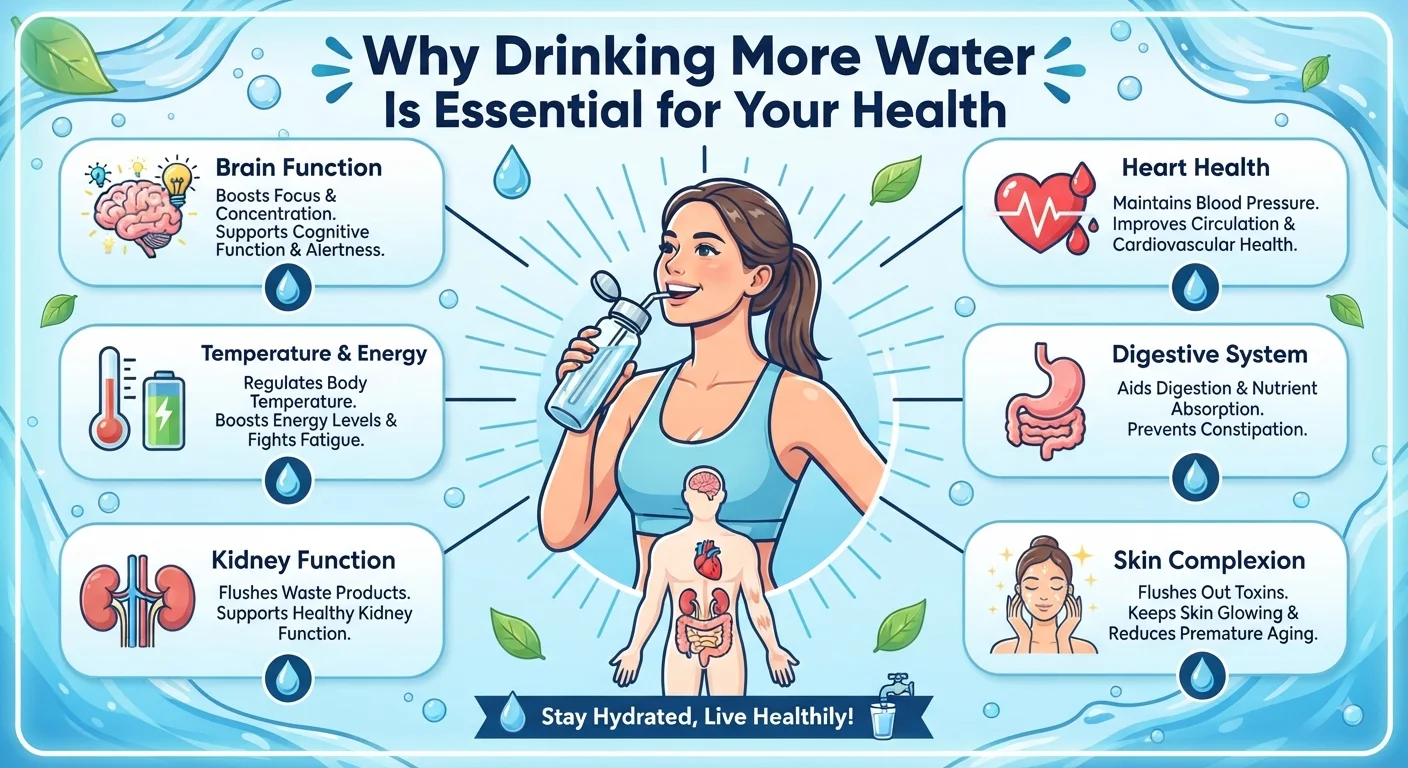
Water is one of the simplest things your body needs, yet it is also one of the most important. Every day, your body uses water for circulation, digestion, temperature regulation, waste removal, joint lubrication, cellular activity, and countless other processes that happen automatically. You do not have to think about most of these functions, but they depend on having enough fluid available.
This is why understanding the benefits of drinking water is about much more than avoiding thirst. Proper hydration supports the normal functioning of virtually every system in the body and is an essential part of healthy daily habits.
Water does not need an elaborate marketing campaign to be valuable. It is calorie-free, widely available, and essential for life. At the same time, hydration needs are not identical for everyone. Age, body size, physical activity, climate, diet, pregnancy, illness, medications, and other factors can influence how much fluid a person needs.
The goal is therefore not to follow one rigid number without considering your circumstances. Instead, the goal is to develop sustainable water intake habits that help your body maintain adequate hydration throughout the day.
This comprehensive guide explores why water matters, how hydration supports different body systems, signs that you may need more fluids, practical ways to drink more water, common hydration mistakes, and how to make water a natural part of a healthy lifestyle.
read more about hard water effects
Why Water Is Essential for the Human Body
Water Is a Fundamental Component of the Body
The human body contains a substantial amount of water. Water is found inside cells, in the bloodstream, around tissues, and in various bodily fluids.
It provides the environment in which many chemical reactions occur.
Cells need water to maintain their normal structure and function. Blood relies heavily on water as part of its liquid component. Digestive processes require fluids. The kidneys use water when producing urine and removing waste.
In other words, water is not simply something the body consumes.
It is part of the environment in which the body operates.
The Body Is Constantly Losing Water
Even when you are sitting quietly, your body loses water.
Fluid leaves the body through:
- Urination
- Sweating
- Breathing
- Bowel movements
- Evaporation from the skin
You replace these losses through drinking and eating.
This means hydration is an ongoing process rather than something that can be handled once per day.
Understanding Hydration
What Does Hydration Mean?
Hydration refers to maintaining an appropriate amount of water and fluids in the body.
When fluid intake adequately replaces normal losses, the body can generally maintain its fluid balance.
When losses exceed intake, dehydration can develop.
The degree of dehydration can vary from mild to severe, and the effects depend on the circumstances.
Hydration Is More Than Drinking Plain Water
Although water is an excellent source of fluid, total daily fluid intake can come from several sources.
These may include:
- Plain water
- Milk
- Soups
- Fruits
- Vegetables
- Other beverages
However, beverages with large amounts of added sugar or excessive caffeine may not be ideal choices for making up most of your daily fluid intake.
Water remains one of the simplest choices for regular hydration.
The Benefits of Drinking Water for the Brain
The Brain Depends on Adequate Fluid Balance
The brain is particularly sensitive to changes in the body’s fluid balance.
Even relatively small fluid losses can sometimes affect how a person feels and performs, particularly during heat exposure or prolonged physical activity.
People may experience:
- Headache
- Fatigue
- Difficulty concentrating
- Irritability
- Reduced alertness
These symptoms can have many causes, so they should not automatically be attributed to dehydration. Nevertheless, maintaining adequate hydration is an important part of supporting normal cognitive function.
Hydration and Concentration
Students, office workers, drivers, and anyone performing mentally demanding tasks may benefit from maintaining regular fluid intake.
Instead of waiting until you feel extremely thirsty, you can make water available throughout the day.
A bottle on your desk can serve as a simple reminder.
Hydration and Mental Energy
Feeling tired does not always mean that you need water. Sleep, nutrition, stress, illness, and physical activity all matter.
However, inadequate fluid intake can contribute to fatigue or reduced well-being.
Maintaining hydration is therefore one piece of a larger approach to daily energy management.
Water and Blood Circulation
Water Supports Blood Volume
Blood contains a large amount of water.
Adequate fluid balance helps maintain the volume of blood circulating through the body.
This matters because blood transports:
- Oxygen
- Nutrients
- Hormones
- Metabolic waste
- Heat
The cardiovascular system and kidneys work together continuously to regulate fluid balance.
Why Fluid Loss Can Matter During Exercise
During prolonged exercise, particularly in hot conditions, sweating can result in significant fluid loss.
If a person loses more fluid than they replace, blood volume can be affected and cardiovascular strain may increase.
This is one reason hydration becomes especially important during strenuous activity and heat exposure.
Water and Temperature Regulation
Sweating Is a Cooling Mechanism
One of the most important benefits of drinking water relates to temperature control.
When the body becomes hot, it can produce sweat.
As sweat evaporates from the skin, it helps remove heat.
This cooling mechanism is particularly important during:
- Exercise
- Hot weather
- Outdoor work
- Physical labor
- Sports
If substantial fluid is lost through sweating, replacing fluids becomes increasingly important.
Hot Weather Increases Hydration Needs
People living in hot climates may lose more water through sweating.
Your fluid needs can therefore change with the weather.
A person who drinks comfortably in mild weather may need to pay greater attention to hydration during a very hot day.
read more about healthy home
Water and Digestion
Water Helps Support the Digestive Process
The digestive system relies on fluids throughout the process of breaking down food and moving its contents through the gastrointestinal tract.
Water is involved in saliva, digestive secretions, and the movement of intestinal contents.
Adequate fluid intake is therefore an important part of normal digestive function.
Water and Constipation
One of the commonly discussed benefits of drinking water is its role in supporting regular bowel movements.
Constipation has multiple possible causes, including:
- Low dietary fiber
- Lack of physical activity
- Changes in routine
- Certain medications
- Some medical conditions
- Inadequate fluid intake
Drinking enough fluids can support softer stool, particularly when combined with adequate dietary fiber.
However, simply drinking huge amounts of water is not a universal treatment for constipation.
A balanced approach is more appropriate.
Water and Kidney Function
The Kidneys Depend on Water
The kidneys filter the blood and help regulate:
- Fluid balance
- Electrolytes
- Waste products
- Blood pressure
- Acid-base balance
Water is necessary for the kidneys to produce urine.
Water Helps the Body Eliminate Waste
Metabolic waste products must be removed from the body.
The kidneys excrete many of these substances through urine.
Adequate hydration supports this normal process.
Hydration and Kidney Stones
Fluid intake is an important factor in kidney stone prevention for many people.
Drinking enough water increases urine volume, which can reduce the concentration of certain substances that may contribute to stone formation.
People who have previously experienced kidney stones may receive individualized recommendations from healthcare professionals regarding fluid intake.
Water and Urinary Health
Urine Color Can Provide a General Clue
Urine color can sometimes provide a rough indication of hydration status.
Very dark urine may occur when urine is concentrated, while pale yellow urine is often consistent with adequate hydration.
However, urine color can also be affected by:
- Certain foods
- Vitamins
- Medications
- Medical conditions
Therefore, it should not be treated as a perfect diagnostic tool.
Do Not Wait Until Extreme Thirst
Thirst is useful, but relying exclusively on severe thirst may not be ideal in every situation.
Older adults, athletes, people working in heat, and individuals dealing with certain medical conditions may need to pay closer attention to fluid intake.
Water and Joint Function
Joints Need Lubrication
Water contributes to bodily fluids that help lubricate and cushion joints.
Cartilage contains water, and adequate fluid balance supports the normal environment around connective tissues.
Hydration and Physical Comfort
Drinking enough water does not guarantee that a person will avoid joint pain.
Joint discomfort can have many causes.
Nevertheless, hydration remains an important part of overall physical health.
Water and Muscles
Muscles Contain Water
Muscle tissue contains a substantial amount of water.
During physical activity, fluid losses can occur through sweat.
If those losses become significant, exercise performance and physical comfort may be affected.
Hydration During Exercise
People exercising for extended periods or in hot conditions should pay particular attention to fluid replacement.
For shorter and less intense activities, ordinary drinking according to thirst may often be sufficient for healthy adults.
Long-duration endurance activities can involve more complicated fluid and electrolyte considerations.
Water and Physical Performance
Dehydration Can Affect Exercise
As fluid losses increase, physical performance can decline.
Potential effects may include:
- Increased perceived effort
- Reduced endurance
- Fatigue
- Difficulty regulating body temperature
- Reduced physical comfort
This is particularly relevant for athletes and people performing physical work.
Before Exercise
Beginning exercise adequately hydrated is generally preferable to trying to compensate for significant fluid loss afterward.
You can drink normally throughout the day and pay additional attention to fluid intake around longer workouts.
During Exercise
The amount you need depends on:
- Exercise intensity
- Duration
- Temperature
- Humidity
- Sweat rate
- Individual characteristics
There is no universal amount that fits every athlete.
After Exercise
Replacing fluids after significant sweating helps restore fluid balance.
A normal meal can also contribute water and electrolytes.
Water and Skin Health
Does Drinking Water Automatically Give You Perfect Skin?
No.
Skin health depends on numerous factors, including:
- Genetics
- Sun exposure
- Skin care
- Nutrition
- Sleep
- Hormonal factors
- Environmental conditions
- Medical conditions
Drinking water is important for overall health, but simply drinking excessive amounts will not automatically eliminate wrinkles or transform skin.
Hydration and Skin Function
Adequate hydration contributes to normal body function, including the maintenance of skin tissues.
People who are dehydrated may notice dryness or other symptoms, particularly when fluid losses are significant.
However, dry skin can also result from weather, bathing habits, cleansers, skin conditions, and environmental factors.
Water and Oral Health
Saliva Contains Water
Saliva helps:
- Moisten food
- Begin digestion
- Protect oral tissues
- Support comfortable swallowing
Adequate fluid intake supports normal saliva production.
Dry Mouth
A dry mouth can occur for many reasons.
Possible causes include:
- Dehydration
- Certain medications
- Mouth breathing
- Anxiety
- Medical conditions
Regular fluid intake may help when dehydration contributes to dryness.
Water and Respiratory Function
Breathing Causes Fluid Loss
Every breath releases some moisture.
The amount is usually small under ordinary circumstances, but respiratory water loss can increase with certain environmental conditions.
During exercise, breathing becomes faster and fluid loss can increase.
Humidity and Fluid Balance
Dry environments may increase discomfort and contribute to moisture loss.
Maintaining adequate hydration can be part of general health management, although it does not replace medical treatment for respiratory conditions.
Water and Cellular Function
Cells Depend on Fluid Balance
Cells need water to maintain their structure and perform normal biological processes.
Water helps transport substances into and out of cells and provides the medium for numerous biochemical reactions.
Water and Metabolism
Many metabolic reactions occur in aqueous environments.
The body cannot simply function normally without sufficient water.
This explains why maintaining hydration is a fundamental rather than optional health habit.
Water and Nutrient Transport
Blood Uses Water to Transport Substances
After food is digested, nutrients need to reach tissues.
Blood carries:
- Glucose
- Amino acids
- Vitamins
- Minerals
- Hormones
- Other substances
Water is an important component of blood and therefore supports this transportation system.
Water and Waste Removal
Multiple Systems Produce Waste
The body continuously produces waste products as cells perform their normal functions.
Waste can leave the body through:
- Urine
- Stool
- Sweat
- Exhaled air
Water is particularly important for urine production and normal kidney function.
How Much Water Should You Drink?
There Is No Single Number for Everyone
One of the most common questions about water intake is how much a person should drink every day.
The answer depends on several factors.
These include:
- Age
- Sex
- Body size
- Activity level
- Climate
- Diet
- Pregnancy
- Breastfeeding
- Illness
- Medications
General population recommendations are often expressed as total water intake, including water from beverages and food, rather than requiring every person to drink an identical amount of plain water.
Listen to Your Body
For many healthy adults, thirst can be a useful guide.
Rather than forcing a fixed amount regardless of circumstances, pay attention to thirst, urine concentration, activity, weather, and other relevant factors.
Foods That Contribute to Hydration
Fruits
Many fruits contain substantial amounts of water.
Examples include:
- Watermelon
- Oranges
- Strawberries
- Melon
- Grapes
- Peaches
Vegetables
Vegetables can also contribute to daily fluid intake.
Examples include:
- Cucumber
- Lettuce
- Tomatoes
- Zucchini
- Celery
Soups
Soups and broths can provide both fluid and nutrients.
However, highly salty soups may contribute substantial sodium, so variety and balance matter.
read more about healthy daily habits
Water vs Sugary Drinks
Why Water Is Often the Better Everyday Choice
Water provides hydration without added sugar or calories.
Regular consumption of sugar-sweetened beverages can contribute significant calories to the diet.
Replacing some sugary drinks with water can therefore be a useful healthy habit for people trying to improve their overall diet.
What About Juice?
Fruit juice can contain nutrients, but it can also contain substantial amounts of naturally occurring sugar and calories.
Whole fruits generally provide more fiber and require more chewing.
Water remains a simple everyday beverage.
Water and Weight Management
Can Drinking Water Help With Weight Goals?
Water itself does not magically cause fat loss.
However, replacing high-calorie drinks with water can reduce overall calorie intake.
For example, someone who regularly drinks sugar-sweetened beverages may reduce calorie consumption by choosing water instead.
Water Before Meals
Some research has explored whether drinking water before meals may influence fullness and food intake.
The effect varies among individuals.
Water should be viewed as one supportive habit rather than a weight-loss solution by itself.
Hydration and Healthy Habits
Make Water Easy to Access
One of the most practical ways to increase water intake is to make water convenient.
Keep a bottle:
- At your desk
- In your bag
- In the car
- Near your exercise equipment
When water is visible and accessible, drinking it becomes easier to remember.
Use a Reusable Bottle
A reusable bottle can help you monitor how much you are drinking without requiring disposable plastic bottles throughout the day.
Choose a size that fits your routine.
Add Reminders
If you frequently forget to drink, reminders can help.
You can use:
- Phone alarms
- Calendar reminders
- Water-tracking applications
- Routine-based reminders
The goal is to create a habit rather than obsess over numbers.
Simple Ways to Drink More Water
Start the Day With Water
Having a glass of water when you wake up can become a simple routine.
Drink With Meals
Make water your default beverage during breakfast, lunch, and dinner.
Drink During Breaks
If you work or study for long periods, associate water with regular breaks.
Carry Water Outside
Bring a bottle when going to:
- School
- University
- Work
- The gym
- Outdoor activities
Flavor Water Naturally
If plain water feels boring, consider adding:
- Lemon
- Lime
- Cucumber
- Mint
- Orange slices
- Berries
This can make drinking water more appealing without relying on sugary syrups.
Hydration During Hot Weather
Pay Attention to Sweating
Hot environments can increase fluid losses.
If you spend substantial time outdoors, monitor your thirst and drink regularly.
Avoid Waiting Until You Feel Exhausted
Strong thirst combined with fatigue, dizziness, or other concerning symptoms may indicate that you need to stop activity and address hydration and heat exposure.
Heat Illness Can Be Serious
Severe symptoms related to heat exposure require prompt attention.
Confusion, fainting, severe weakness, or inability to drink should not be dismissed as ordinary dehydration.
Hydration During Exercise
Sweat Rates Differ
Two people performing the same workout can lose very different amounts of fluid.
Sweat rate depends on:
- Body size
- Fitness
- Temperature
- Humidity
- Exercise intensity
- Clothing
- Individual physiology
Therefore, copying another person’s drinking schedule may not be appropriate.
Electrolytes Can Matter
For prolonged, intense exercise with heavy sweating, electrolytes may become relevant.
Sodium is lost in sweat, and replacing it can be important in certain situations.
Sports drinks may be useful in selected circumstances, but they are not necessary for every short workout.
Hydration for Children
Children Have Different Needs
Children need adequate fluids for growth, physical activity, and normal body function.
Parents can encourage healthy hydration by:
- Offering water regularly
- Keeping water accessible
- Providing water during activities
- Modeling good hydration habits
Watch for Increased Fluid Needs
Children may need more attention to hydration during:
- Hot weather
- Sports
- Fever
- Vomiting
- Diarrhea
Illness-related fluid losses can become serious, especially in young children.
Hydration for Older Adults
Thirst May Change With Age
Older adults may not always experience thirst as strongly as younger adults.
This makes regular access to fluids particularly important.
Medications Can Affect Fluid Balance
Some medications can influence urination or fluid balance.
Older adults should follow individualized medical advice when conditions or medications affect hydration.
Pregnancy and Breastfeeding
Fluid Needs Can Change
Pregnancy and breastfeeding can influence fluid requirements.
Pregnant and breastfeeding individuals should follow guidance from their healthcare professionals and maintain regular access to fluids.
Hydration and Breastfeeding
Breastfeeding involves additional fluid loss through milk production.
Drinking according to thirst and maintaining regular fluid access can help support normal hydration.
When You May Need More Fluids
Your water needs can increase during:
- Exercise
- Hot weather
- Heavy sweating
- Fever
- Vomiting
- Diarrhea
- Long periods outdoors
Certain medical conditions may also affect fluid requirements.
Signs You May Be Dehydrated
Mild Signs
Possible signs include:
- Thirst
- Dry mouth
- Darker urine
- Fatigue
- Headache
- Reduced urination
These symptoms can have other causes, so context matters.
More Serious Dehydration
Severe dehydration can cause:
- Dizziness
- Confusion
- Weakness
- Very low urine output
- Rapid heartbeat
- Fainting
Severe symptoms require medical attention.
Can You Drink Too Much Water?
More Is Not Always Better
It is possible to drink excessive amounts of water.
Drinking extremely large quantities in a short period can dilute sodium in the blood, a potentially serious condition known as hyponatremia.
This is one reason why hydration should be balanced rather than obsessive.
Avoid Forced Water Consumption
You generally do not need to force yourself to drink enormous amounts simply because someone recommends a particular number online.
Your hydration needs should reflect your circumstances.
read more about effects of soft drinks
Common Hydration Myths
Myth: Everyone Must Drink Exactly Eight Glasses
The “eight glasses” idea is easy to remember, but individual fluid needs vary.
Food and other beverages also contribute to total fluid intake.
Myth: More Water Always Means Better Health
Adequate hydration is important.
Excessive water consumption is not automatically healthier.
Myth: Coffee Always Dehydrates You
Caffeinated beverages contribute fluid to the diet.
However, caffeine can affect urination, and people should consider their overall intake and sensitivity.
Water remains an excellent default beverage.
Myth: Water Alone Solves Every Health Problem
Water is essential, but it cannot replace sleep, nutritious food, physical activity, medical care, or other healthy behaviors.
How to Build a Sustainable Hydration Routine
Create Habit Anchors
Connect drinking water to existing habits.
For example:
Wake up → drink water
Start work → fill bottle
Lunch → drink water
Exercise → bring water
Finish work → refill bottle
Habit stacking makes hydration more automatic.
Use a Bottle You Like
If you dislike your bottle, you may use it less.
Choose something that is:
- Comfortable to carry
- Easy to clean
- Appropriate in size
- Leak-resistant
- Suitable for your routine
Track Without Becoming Obsessed
Tracking can be helpful if you routinely forget to drink.
But hydration should remain a simple health habit rather than a source of anxiety.
Making Water More Appealing
Temperature Preferences Matter
Some people prefer cold water.
Others prefer room-temperature water.
Drink the temperature that makes it easiest for you to maintain regular intake.
Experiment With Natural Flavors
Try different combinations such as:
- Lemon and mint
- Cucumber and lime
- Orange and mint
- Strawberry and lemon
This can make plain water more enjoyable.
The Connection Between Hydration and Overall Health
Hydration Is One Part of the Bigger Picture
The benefits of drinking water become most meaningful when water consumption is combined with other healthy habits.
A healthy lifestyle generally includes:
- Balanced nutrition
- Regular physical activity
- Adequate sleep
- Stress management
- Good hygiene
- Appropriate medical care
- Avoidance of harmful substances
Water supports these efforts but does not replace them.
Healthy Habits Work Together
Consider a person who sleeps poorly, eats very little nutritious food, never exercises, and drinks water constantly.
Drinking water alone will not create good health.
The strongest approach is to develop several sustainable habits together.
Creating a Daily Hydration Plan
Morning
Keep water accessible after waking.
If you exercise early, take your activity and environment into account.
During Work or Study
Keep a bottle within reach.
Use regular breaks as reminders to drink.
With Meals
Make water the default beverage.
During Exercise
Increase fluid intake according to exercise duration, intensity, temperature, and sweat losses.
Evening
Drink according to thirst rather than forcing large amounts immediately before bed, particularly if nighttime urination interferes with sleep.
Hydration and Daily Productivity
Water at Work
A water bottle on your desk can be a simple productivity-supporting habit.
Instead of leaving your desk repeatedly to find a drink, keep water nearby.
Water During Study
Students can combine hydration with study breaks.
For example:
50 minutes focused study → short break → drink water → return to work
This creates a natural rhythm without requiring constant drinking.
Choosing Water During Travel
Bring a Reusable Bottle
Travel can disrupt normal routines.
Carrying water can make it easier to maintain your usual intake.
Pay Attention to Climate
A dry or hot destination may increase fluid losses.
Traveling can also involve more walking than your normal routine.
Adjust accordingly.
Hydration and Outdoor Activities
Hiking and Long Walks
Long outdoor activities can involve significant sweating.
Plan your access to fluids before starting.
Beach Days
Sun exposure, heat, swimming, and physical activity can increase fluid needs.
Remember that feeling comfortable in water does not mean your body is not losing fluids.
The Role of Water in Everyday Healthy Living
Water is easy to overlook because it does not always produce an immediate, dramatic feeling.
You may not notice your kidneys functioning normally.
You may not notice your blood transporting nutrients.
You may not notice your body regulating temperature.
Yet these processes are happening constantly.
Adequate hydration quietly supports them.
Practical Hydration Checklist
Use this simple checklist to build better healthy habits:
Every Day
- Keep water accessible.
- Drink regularly.
- Pay attention to thirst.
- Include water-rich foods.
- Choose water instead of sugary drinks when practical.
- Increase intake during heat and exercise.
- Monitor signs of dehydration.
- Avoid excessive forced water consumption.
During Exercise
- Start adequately hydrated.
- Consider weather and exercise duration.
- Replace significant fluid losses.
- Consider electrolytes during prolonged heavy sweating when appropriate.
During Illness
- Pay attention to fluid losses.
- Drink according to medical advice.
- Seek medical care when dehydration symptoms become severe.
When to Seek Medical Advice
Most healthy people can manage ordinary hydration through regular drinking and eating.
However, some situations require professional guidance.
Speak with a healthcare professional if you have a medical condition that affects fluid balance, such as certain kidney, heart, or endocrine conditions.
Medical advice may also be important if you experience persistent:
- Excessive thirst
- Very frequent urination
- Significant swelling
- Unexplained changes in hydration status
- Repeated dehydration
- Severe vomiting or diarrhea
These symptoms can have causes that cannot be addressed simply by drinking more water.
read more about dry skin in summer
The benefits of drinking water extend throughout the body because water is fundamental to so many biological processes. It supports circulation, digestion, kidney function, temperature regulation, cellular activity, physical performance, and the normal function of numerous tissues and organs.
Proper hydration is therefore not a complicated wellness trend. It is one of the most basic foundations of human health.
At the same time, good hydration does not mean drinking as much water as possible. The objective is balance. Your ideal water intake depends on your individual circumstances, including activity level, climate, diet, age, health, and fluid losses.
The most practical approach is to make water readily available, drink regularly, pay attention to thirst and other signs of fluid loss, and increase your attention to hydration during exercise, hot weather, and illness.
A reusable bottle on your desk, a glass of water with meals, and a habit of drinking during breaks may seem like small actions. But healthy routines are often built from small actions repeated consistently.
Water cannot replace nutritious food, sufficient sleep, exercise, or medical care. It does not guarantee perfect skin, instant weight loss, unlimited energy, or protection from every disease. What it does provide is something much more fundamental: the fluid your body needs to carry out the processes that keep you alive and functioning.
That is why making adequate hydration part of your everyday routine is one of the simplest and most sustainable healthy habits you can develop.