

Blog
How to Create a Healthy Home for Your Family

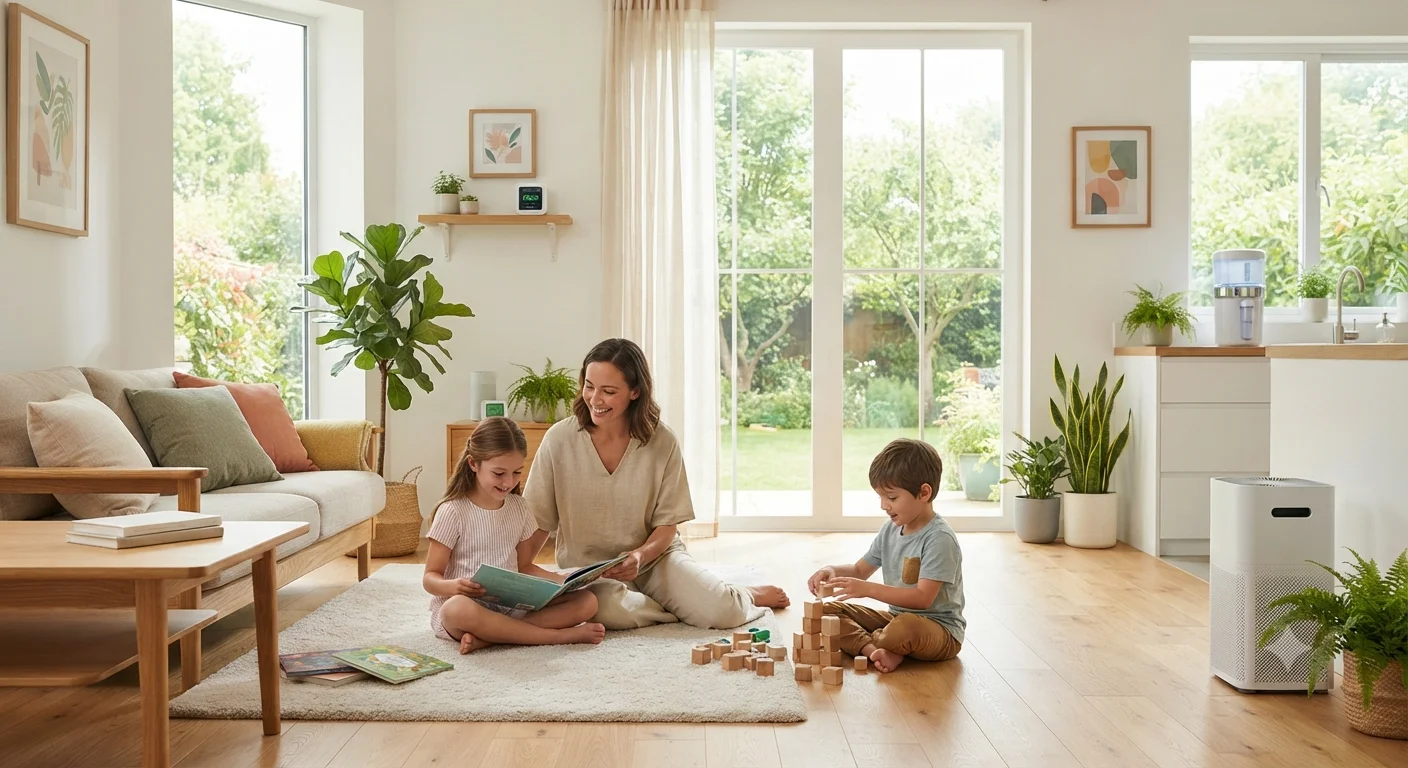
A home is more than a place where people sleep, eat, and store their belongings. It is an environment where families spend a significant part of their daily lives, which means the physical characteristics of the home can influence comfort, safety, and overall well-being.
A healthy home does not have to be large, luxurious, or filled with expensive technology. In many cases, the most important features are surprisingly simple: clean air, good ventilation, adequate daylight, controlled moisture, safe drinking water, comfortable temperatures, low levels of indoor pollutants, and regular maintenance.
The goal is not to create a perfectly sterile environment.
Instead, a healthy home should reduce avoidable risks while creating conditions that support healthy living.
This involves looking at the home as a complete system.
The air affects breathing comfort. Moisture affects the building and can contribute to mold growth. Lighting influences how comfortable a room feels. Temperature affects sleep and daily comfort. Cleaning practices influence dust and allergens. Noise can interfere with rest. Building materials and household products can introduce unwanted chemicals into indoor air.
When these factors are considered together, the result is a more comfortable and supportive home environment.
read more about pet allergies in children
Why Indoor Health Starts at Home
Homes can contain many everyday environmental factors
Indoor environments can contain pollutants from both outdoor and indoor sources.
Potential indoor sources include:
- Cooking.
- Cleaning products.
- Smoke.
- Dust.
- Pet dander.
- Building materials.
- Furniture.
- Moisture.
- Mold.
- Combustion appliances.
- Poorly maintained air-conditioning systems.
Outdoor pollution can also enter through windows, doors, ventilation systems, and gaps in the building envelope.
This is why indoor air quality deserves special attention when creating a healthier home.
Healthy living is influenced by the environment
Healthy habits such as exercising, eating nutritious food, and getting enough sleep are important.
But the environment in which these habits take place also matters.
A bedroom that is too hot, noisy, or poorly ventilated may make comfortable sleep more difficult.
A kitchen with inadequate ventilation may allow cooking pollutants to accumulate.
A damp bathroom may develop persistent moisture problems.
A cluttered living space may make cleaning and organization more difficult.
The home does not determine health by itself, but it can either support or interfere with healthy routines.
1. Improve Indoor Air Quality
Why air quality matters
People breathe continuously, including while sleeping.
That makes indoor air quality one of the most important features of a healthy home.
Good indoor air quality involves managing pollutants and providing appropriate ventilation.
Start with ventilation
Ventilation replaces stale indoor air with cleaner outdoor air when outdoor conditions are suitable.
It can help reduce concentrations of:
- Carbon dioxide.
- Cooking odors.
- Moisture.
- Volatile compounds.
- Other indoor pollutants.
Opening windows can be useful when outdoor air quality is good.
Mechanical ventilation systems can provide more consistent air exchange when designed and maintained properly.
Avoid creating unnecessary indoor pollution
One of the easiest ways to improve indoor air quality is to reduce pollution at the source.
Avoid smoking indoors.
Use cooking ventilation when preparing food.
Follow instructions when using cleaning products.
Avoid excessive use of sprays, fragrances, and other products that release compounds into indoor air.
2. Use Kitchen Ventilation
Cooking produces more than food odors
Cooking can generate:
- Smoke.
- Fine particles.
- Moisture.
- Grease.
- Combustion byproducts when gas or other combustion appliances are used.
Using a properly installed range hood or exhaust fan can help remove pollutants and moisture.
Use ventilation during and after cooking
Turning the ventilation system on before or during cooking can help capture emissions at their source.
Leaving it running for a period after cooking can help remove remaining pollutants.
If there is no effective exhaust system, opening suitable windows can provide additional ventilation when outdoor conditions permit.
read more about cold air and joint pain
3. Control Indoor Moisture
Moisture is a major home-maintenance issue
Excess humidity can contribute to condensation and mold growth.
Common sources include:
- Showers.
- Cooking.
- Drying clothes indoors.
- Leaking pipes.
- Roof leaks.
- Poor ventilation.
- Groundwater intrusion.
A healthy home should control moisture rather than simply cleaning visible mold after it appears.
Watch for condensation
Condensation may appear on:
- Windows.
- Walls.
- Pipes.
- Ceilings.
- Air-conditioning surfaces.
Persistent condensation is a signal that moisture levels, insulation, ventilation, or another building condition may need attention.
4. Prevent Mold Growth
Mold needs moisture
Mold can grow when moisture remains available for sufficient periods.
Preventing mold therefore starts with moisture management.
Address leaks quickly.
Repair damaged roofs.
Dry wet materials promptly.
Improve ventilation in bathrooms and kitchens.
Do not simply paint over recurring mold without addressing the underlying moisture problem.
What about visible mold?
Small areas may sometimes be manageable through appropriate cleaning and moisture control, but extensive or recurring mold problems may require professional assessment.
People with specific health concerns may also need professional advice about how to handle significant mold exposure.
5. Keep Bathrooms Well Ventilated
Bathrooms generate substantial moisture
Showers and baths can release significant amounts of water vapor into indoor air.
A bathroom exhaust fan can help remove moisture.
Use the fan during showers and continue ventilation afterward as appropriate.
Maintain bathroom surfaces
Regular cleaning can reduce the accumulation of:
- Soap residue.
- Dirt.
- Mold.
- Mildew.
Pay particular attention to areas where water remains trapped.
6. Maintain Heating and Cooling Systems
HVAC systems affect comfort and air quality
Heating, ventilation, and air-conditioning systems can influence:
- Temperature.
- Humidity.
- Air movement.
- Filtration.
- Overall indoor comfort.
Poorly maintained systems may become dirty or operate inefficiently.
Replace filters appropriately
Air-conditioning and heating filters should be maintained according to the equipment manufacturer’s recommendations.
A filter that is heavily loaded with dust can restrict airflow and reduce system performance.
The correct filter type also depends on the HVAC system.
Do not install a filter that is too restrictive for a system that was not designed to handle it.
7. Keep Air-Conditioning Components Clean
Dust can accumulate inside systems
Indoor units, vents, coils, and filters can accumulate dust and other debris.
Regular maintenance can help the system operate effectively.
In humid environments, proper maintenance is especially important because moisture inside equipment can create conditions favorable to microbial growth.
Do not ignore unusual smells
Persistent musty odors from an air-conditioning system should be investigated rather than covered with fragrance.
An unusual smell may indicate a maintenance or moisture issue.
8. Choose Cleaning Products Carefully
More cleaning does not always mean healthier air
Some cleaning products can release chemicals into indoor air.
Using the correct product for the task and following the label instructions is important.
Avoid mixing cleaning chemicals unless the manufacturer specifically indicates that doing so is safe.
Ventilate while cleaning
When using products that produce strong fumes, appropriate ventilation can help reduce exposure.
Never assume that a pleasant smell means that a product is harmless.
9. Reduce Indoor Smoke
Smoke is an important indoor pollutant
A smoke-free home is an important part of a healthy home environment.
This includes avoiding indoor smoking and minimizing exposure to secondhand and thirdhand smoke.
Smoke can settle on:
- Furniture.
- Carpets.
- Walls.
- Curtains.
- Clothing.
Simply opening a window does not eliminate all exposure.
10. Consider Household Fragrances
Fragrance is optional
Air fresheners, scented candles, incense, and fragrance sprays can make a room smell pleasant, but they are not necessary for maintaining cleanliness.
Some fragranced products can contribute to indoor chemical emissions.
If household members are sensitive to fragrances, reducing unnecessary scented products may make the indoor environment more comfortable.
The healthiest home is not necessarily the one that smells the strongest.
11. Keep Dust Under Control
Dust comes from many sources
Household dust may contain particles from:
- Outdoor soil.
- Fabric fibers.
- Skin cells.
- Pet materials.
- Pollen.
- Household debris.
Regular cleaning can reduce accumulation.
Use an effective cleaning routine
Useful practices include:
- Dusting surfaces.
- Vacuuming floors.
- Washing bedding.
- Cleaning high-touch areas.
- Maintaining filters.
- Cleaning under furniture.
A consistent routine is generally more practical than occasional extreme cleaning.
12. Pay Attention to Carpets and Rugs
Soft surfaces can collect particles
Carpets and rugs can trap:
- Dust.
- Dirt.
- Pet hair.
- Pollen.
Vacuum them regularly.
Clean spills promptly to prevent moisture from remaining in the material.
If a carpet has persistent dampness or mold, the underlying problem should be addressed rather than relying solely on surface cleaning.
read more about healthy diet
13. Wash Bedding Regularly
Bedrooms deserve special attention
People spend many hours in bedrooms, making bedding maintenance an important part of household hygiene.
Regularly wash:
- Sheets.
- Pillowcases.
- Blankets.
- Mattress protectors.
The appropriate washing frequency depends on the household and individual circumstances.
Use mattress protection
A washable mattress protector can help reduce the accumulation of sweat, skin particles, and other contaminants.
It can also help protect the mattress from spills.
14. Keep the Bedroom Comfortable for Sleep
Sleep is part of healthy living
A healthy home should support good sleep.
Important bedroom factors include:
- Comfortable temperature.
- Low noise.
- Suitable darkness.
- Adequate ventilation.
- Comfortable bedding.
Avoid turning the bedroom into a storage area.
A calm environment can make it easier to establish a consistent sleep routine.
15. Maximize Natural Light
Daylight is an important home feature
Natural light can make indoor spaces more comfortable and visually appealing.
During the day, open curtains and blinds when practical.
Arrange furniture so that windows are not unnecessarily blocked.
Create balanced lighting
A healthy home should also have suitable artificial lighting for evening activities.
Different rooms may require different lighting levels.
For example:
- Bedrooms may benefit from softer lighting.
- Kitchens need adequate task lighting.
- Study areas require sufficient illumination for reading.
- Bathrooms need safe, appropriate lighting.
16. Reduce Glare
More light is not always better
Strong sunlight can create glare on:
- Screens.
- Mirrors.
- Glossy surfaces.
Use curtains, blinds, or adjustable shades to control excessive sunlight while still allowing natural light into the room.
17. Manage Indoor Temperature
Thermal comfort matters
A home that is consistently too hot or too cold can become uncomfortable.
Temperature needs vary between people and households, but the goal should be a stable and comfortable environment.
Avoid unnecessarily large temperature swings when possible.
Improve insulation
Good insulation can help maintain indoor temperatures and reduce the amount of energy required for heating or cooling.
Potential areas include:
- Roof.
- Walls.
- Windows.
- Doors.
The appropriate insulation strategy depends on climate and building design.
18. Seal Unwanted Air Leaks
Gaps can affect comfort
Uncontrolled air leakage may occur around:
- Doors.
- Windows.
- Pipes.
- Electrical penetrations.
- Building joints.
Sealing appropriate gaps can improve comfort and energy efficiency.
However, homes still require adequate intentional ventilation.
A tightly sealed home without sufficient ventilation may develop poor indoor air quality.
19. Choose Low-Emission Materials
Furniture and finishes can affect indoor air
Some building products, paints, adhesives, and furnishings can release volatile organic compounds, commonly called VOCs.
When purchasing new materials, consider products with lower emissions where suitable.
This can be particularly relevant for:
- Paint.
- Flooring.
- Adhesives.
- Cabinets.
- Furniture.
Ventilate after renovations
Renovation activities can temporarily increase indoor emissions.
Appropriate ventilation can help reduce concentrations after painting, installing flooring, assembling furniture, or completing other work.
20. Be Careful With New Furniture
New does not always mean better for indoor air
Some new furniture and composite wood products can release chemicals into indoor air.
Where possible, allow new furniture to air out in an appropriately ventilated environment.
Follow manufacturer recommendations.
21. Keep Plants for Enjoyment, Not as a Replacement for Ventilation
Indoor plants can improve the feel of a room
Plants can make spaces feel more natural and visually appealing.
However, household plants should not be treated as a replacement for ventilation or air filtration.
The most reliable ways to manage indoor pollutants involve:
- Source control.
- Ventilation.
- Appropriate filtration.
Plants can be a pleasant addition to a home, but they should not be expected to solve major indoor air-quality problems.
22. Keep Drinking Water Safe
Water quality is another part of a healthy home
A healthy home needs a reliable source of safe drinking water.
Depending on the location, households may receive water from:
- Municipal systems.
- Private wells.
- Building storage systems.
- Other local sources.
Maintain household water systems
Check:
- Pipes.
- Storage tanks.
- Water filters.
- Water heaters.
- Faucets.
If a water filter is installed, replace cartridges according to the manufacturer’s recommendations.
An old filter should not be assumed to work indefinitely.
23. Prevent Plumbing Leaks
Small leaks can become major problems
A dripping faucet may seem insignificant.
A hidden pipe leak can be much more serious.
Look for:
- Water stains.
- Damp cabinets.
- Peeling paint.
- Musty odors.
- Unexpectedly high water bills.
- Warped flooring.
Early detection can prevent more extensive damage.
24. Maintain Water Heaters
Hot-water systems need attention
Water heaters should be maintained according to manufacturer instructions.
Check for:
- Leaks.
- Corrosion.
- Unusual noises.
- Pressure problems.
- Temperature issues.
The exact maintenance requirements depend on whether the system is electric, gas-powered, tank-based, or tankless.
25. Keep the Kitchen Clean and Dry
Kitchens combine food, water, heat, and activity
A healthy kitchen should be:
- Well ventilated.
- Easy to clean.
- Free from persistent moisture.
- Properly maintained.
Clean food preparation surfaces regularly.
Address spills quickly.
Keep food stored appropriately.
Dispose of waste regularly.
read more about weak immune system
26. Manage Refrigeration Properly
Refrigerator hygiene matters
Clean the refrigerator periodically.
Check for:
- Spoiled food.
- Spills.
- Mold.
- Damaged containers.
Keep the refrigerator operating at appropriate temperatures according to food-safety guidance and manufacturer recommendations.
27. Store Cleaning Products Safely
Keep chemicals away from children
Cleaning products should be stored securely.
Avoid transferring chemicals into food or drink containers.
Keep original labels whenever possible.
Never store hazardous chemicals where children can easily access them.
28. Create a Safer Home for Children
Child safety should be part of the home design
Families with young children should evaluate:
- Electrical outlets.
- Stairs.
- Windows.
- Furniture stability.
- Cabinets.
- Cleaning chemicals.
- Sharp objects.
- Small objects.
- Hot surfaces.
Safety requirements change as children grow.
A room that is safe for a toddler may require different precautions for an older child.
29. Secure Heavy Furniture
Furniture can create preventable risks
Tall furniture should be appropriately secured where necessary.
This includes:
- Bookshelves.
- Cabinets.
- Dressers.
- Television units.
Keep heavy objects positioned in ways that reduce the risk of tipping.
30. Improve Bathroom Safety
Bathrooms can become hazardous when wet
Consider:
- Non-slip surfaces.
- Adequate lighting.
- Secure bath mats.
- Grab supports where appropriate.
- Safe storage of medicines and cleaning products.
Keep electrical devices away from water.
31. Reduce Household Noise
Noise affects the home environment
A healthy home is not only about air and cleanliness.
Noise can interfere with:
- Sleep.
- Concentration.
- Relaxation.
Potential sources include:
- Traffic.
- Appliances.
- Loud entertainment.
- Neighbors.
- Mechanical equipment.
Use soft furnishings strategically
Curtains, rugs, upholstered furniture, and other soft materials can help reduce sound reflection within rooms.
They do not eliminate external noise, but they may make a room acoustically more comfortable.
32. Create Quiet Zones
Give the home a place for rest
If possible, designate at least one area where household members can relax without constant noise.
This can be:
- A bedroom.
- Reading corner.
- Home office.
- Small lounge.
The purpose is to create an environment where people can disconnect from constant stimulation.
33. Keep Clutter Under Control
Organization affects usability
Clutter can make cleaning more difficult.
When too many objects occupy surfaces and floors, dust can accumulate around them and routine maintenance becomes harder.
A simple organization system can make cleaning faster.
Use storage intelligently
Consider:
- Closed cabinets.
- Shelves.
- Storage boxes.
- Drawer organizers.
The best storage system is one that makes frequently used items easy to access.
34. Design a Healthy Home Office
Work areas should support comfort
A home office should provide:
- Appropriate desk height.
- Comfortable seating.
- Adequate lighting.
- Good ventilation.
- Reasonable screen positioning.
- Enough space to move.
Take regular breaks
No desk setup can replace movement.
Students and remote workers should incorporate regular movement throughout the day.
Stand up, walk, stretch, or change position periodically.
35. Keep Electronics Organized
Electronics can contribute to clutter
Chargers, cables, monitors, speakers, and devices can quickly overwhelm a workspace.
Use cable management to keep the area organized.
Do not overload electrical outlets or use damaged cables.
36. Maintain Smoke Alarms
Early warning matters
Smoke alarms should be installed and maintained according to local safety requirements and manufacturer instructions.
Test them regularly.
Replace batteries or units according to the manufacturer’s recommendations.
Never remove a smoke alarm simply because it produces nuisance alarms without addressing the underlying cause.
37. Consider Carbon Monoxide Safety
Combustion appliances require attention
Carbon monoxide is a dangerous gas that can be produced by incomplete combustion.
Potential sources include:
- Gas appliances.
- Fuel-burning heaters.
- Fireplaces.
- Generators.
Where appropriate, install carbon monoxide alarms according to local guidance.
Never operate fuel-burning generators indoors or in enclosed spaces.
38. Maintain Gas Appliances
Professional inspection can be important
Gas appliances and associated connections should be installed and maintained according to local requirements.
If you notice:
- Gas odors.
- Unusual flames.
- Repeated shutdowns.
- Unusual sounds.
stop using the appliance if appropriate and seek qualified professional assistance.
39. Keep Air Vents Clear
Furniture should not block ventilation
Large furniture placed directly over or in front of vents can restrict airflow.
Keep supply and return vents appropriately clear.
This can help heating and cooling systems operate as designed.
40. Think About the Home as a System
Every feature affects another
The strongest approach to creating a healthy home is to avoid thinking about each feature separately.
For example:
Better insulation can improve temperature control.
But if the building becomes more airtight, adequate ventilation becomes even more important.
A powerful air conditioner can reduce indoor temperature.
But poor maintenance may create other problems.
A carpet can make a room comfortable.
But it can also collect dust and requires regular cleaning.
A beautiful kitchen may look clean.
But without effective ventilation, cooking emissions can accumulate.
A healthy home is therefore a balanced system.
A Simple Healthy Home Checklist
Air
- Ventilate appropriately.
- Control indoor pollutants.
- Avoid smoking indoors.
- Use kitchen exhaust ventilation.
- Maintain HVAC filters.
Moisture
- Repair leaks quickly.
- Control bathroom humidity.
- Watch for condensation.
- Prevent mold growth.
- Keep wet areas dry.
Cleaning
- Vacuum regularly.
- Clean hard surfaces.
- Wash bedding.
- Maintain carpets.
- Avoid unnecessary chemical exposure.
Comfort
- Maintain suitable temperature.
- Provide adequate lighting.
- Reduce excessive noise.
- Create comfortable sleeping spaces.
Water
- Maintain plumbing.
- Replace filters appropriately.
- Monitor water quality.
- Repair leaks.
Safety
- Maintain smoke alarms.
- Consider carbon monoxide alarms where appropriate.
- Secure furniture.
- Store chemicals safely.
- Keep electrical systems in good condition.
The Most Important Principle: Prevention
Healthy homes are maintained, not created once
A home does not become healthy simply because it was thoroughly cleaned one weekend.
It requires ongoing maintenance.
Check filters.
Repair leaks.
Clean ventilation systems.
Wash bedding.
Inspect bathrooms.
Monitor moisture.
Replace damaged materials.
Maintain safety equipment.
These small actions prevent problems from becoming larger and more expensive.
read more about hard water effects
Creating a healthy home is not about achieving perfection.
It is about creating an environment that supports clean air, comfortable temperatures, safe water, good sleep, effective hygiene, and everyday healthy living.
Start with the fundamentals.
Improve indoor air quality by controlling pollution at its source and providing appropriate ventilation. Keep moisture under control to reduce the risk of condensation and mold. Maintain heating and cooling equipment. Keep kitchens and bathrooms properly ventilated. Use cleaning products responsibly and reduce unnecessary indoor smoke and fragrances.
Then look beyond air.
Make sure the home receives adequate natural and artificial light. Create comfortable sleeping areas. Maintain plumbing and drinking-water systems. Keep floors, carpets, furniture, and bedding clean. Reduce unnecessary noise. Organize clutter so cleaning and maintenance remain easy.
Safety should also be built into the home environment.
Maintain smoke alarms, consider carbon monoxide detection where appropriate, secure heavy furniture, store chemicals safely, and address electrical or gas problems promptly.
Most importantly, remember that a healthy home is a continuing process.
The best home environment is not necessarily the one with the newest appliances, the most expensive furniture, or the latest wellness products. It is the home where basic environmental conditions are consistently maintained.
Clean air, controlled moisture, safe water, comfortable temperature, good lighting, manageable noise, sensible cleaning, and reliable maintenance form the foundation.
When these elements work together, the home becomes more than a place to live.
It becomes an environment designed to support the everyday well-being of the people who live there.