

Blog
Can Cold Air Cause Muscle and Joint Pain?

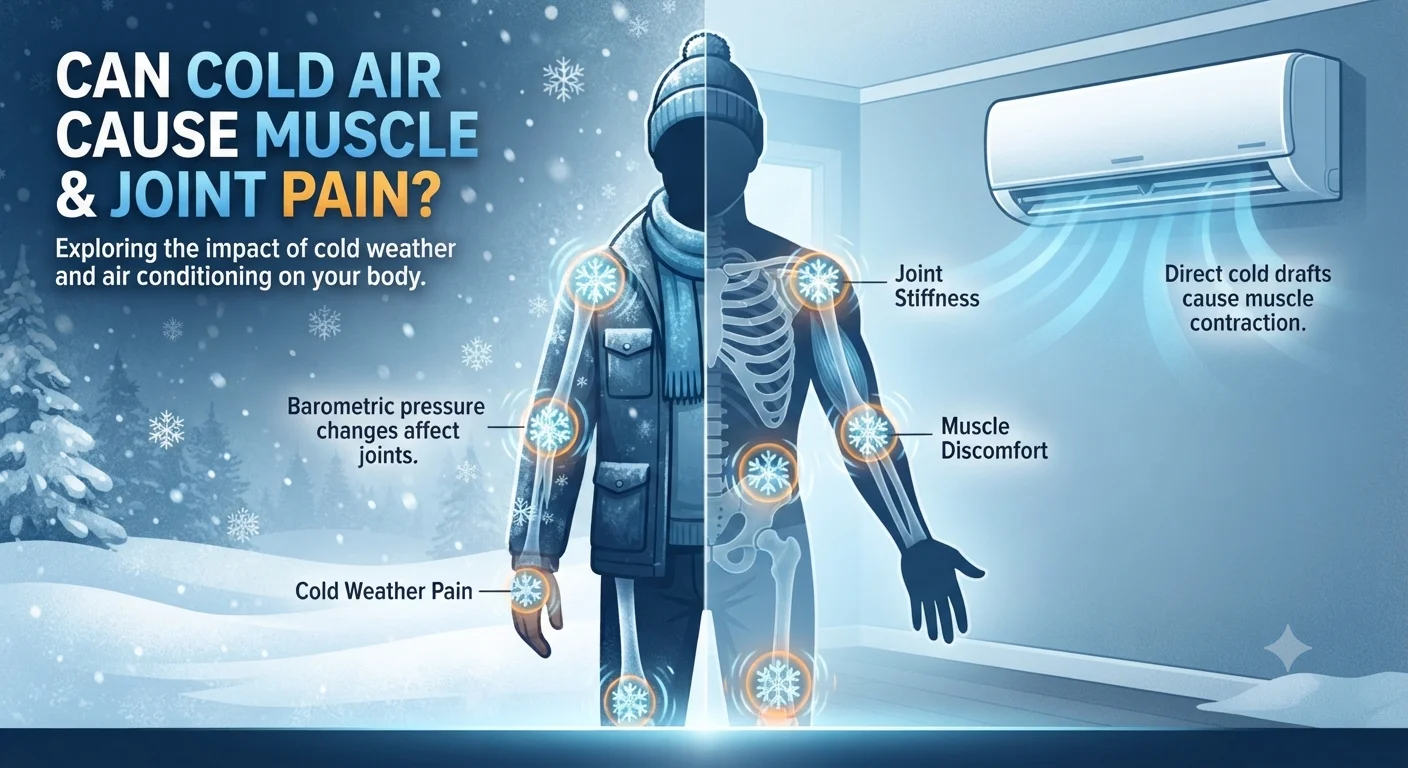
Although cold air itself does not directly damage healthy joints or muscles, it can influence how the body responds to temperature changes. Exposure to cold may increase muscle tension, reduce flexibility, slow blood circulation to the skin and extremities, and make existing joint conditions feel more uncomfortable. For people with arthritis, previous injuries, or chronic pain conditions, symptoms may become more noticeable during cold weather or prolonged exposure to air conditioning.
Understanding the relationship between cold air and joint pain can help people take simple preventive measures, improve comfort, and reduce unnecessary discomfort. This guide explores the science behind muscle pain, the effects of cold weather, the role of indoor cooling systems, and practical strategies to stay comfortable throughout the year.
read more about perfume allergy
Understanding How the Body Responds to Cold Air
The human body constantly works to maintain a stable internal temperature.
When exposed to cold air, several natural responses occur.
These include:
- Narrowing of blood vessels
- Increased muscle tension
- Reduced skin temperature
- Conservation of body heat
- Increased energy use
These responses help protect vital organs but may also contribute to temporary stiffness and discomfort.
Does Cold Air Actually Cause Joint Pain?
Current medical research suggests that cold air does not directly damage joints.
However, many people report increased symptoms during cold conditions.
Possible reasons include:
- Reduced circulation
- Muscle tightening
- Changes in activity levels
- Increased sensitivity in damaged tissues
- Changes in barometric pressure
For individuals with healthy joints, cold temperatures usually do not cause permanent problems.
For those with arthritis or previous injuries, symptoms may become more noticeable.
Why Muscles Feel Stiff in Cold Temperatures
Muscles naturally contract when exposed to lower temperatures.
This protective response helps generate heat.
However, tighter muscles may also feel:
- Less flexible
- More fatigued
- More prone to soreness
- Less responsive during exercise
This explains why warming up before physical activity becomes especially important during colder months.
Cold Weather and Blood Circulation
One of the body’s primary responses to cold is vasoconstriction.
Blood vessels become narrower to reduce heat loss.
As circulation decreases near the skin, muscles and connective tissues may receive less oxygen-rich blood temporarily.
This reduced circulation may contribute to:
- Muscle tightness
- Joint stiffness
- Slower flexibility
- Temporary discomfort
Once the body warms again, circulation usually returns to normal.
Can Air Conditioning Cause Muscle Pain?
Many people spend hours each day in heavily air-conditioned environments.
Offices, shopping malls, airplanes, and cars often maintain cool temperatures.
Prolonged exposure may contribute to muscle pain, especially when cold air blows directly onto:
- Neck
- Shoulders
- Lower back
- Arms
- Legs
The cold itself does not injure muscles, but continuous exposure may encourage muscles to remain tense for extended periods.
Air Conditioning Effects on the Neck and Shoulders
The neck and shoulders are among the most commonly affected areas.
Cold airflow directed toward these muscles may increase tightness.
People often notice:
- Neck stiffness
- Shoulder discomfort
- Limited range of motion
- Mild headaches caused by muscle tension
Adjusting air vents can often reduce these symptoms.
Cold Weather Pain in People with Arthritis
Individuals living with arthritis frequently report increased cold weather pain.
Although research has produced mixed results regarding the exact cause, several explanations have been proposed.
Possible contributing factors include:
- Muscle guarding around painful joints
- Reduced physical activity
- Increased joint sensitivity
- Weather-related pressure changes
Even if cold temperatures are not the direct cause, many patients feel more comfortable in warm environments.
Osteoarthritis and Cold Air
People with osteoarthritis sometimes notice that affected joints feel:
- Stiffer
- Less flexible
- More painful during movement
Gentle exercise and maintaining warmth often help improve mobility.
read more about vitamin deficiency symptoms
Rheumatoid Arthritis and Temperature
Individuals with rheumatoid arthritis may also report weather-related symptom changes.
However, responses vary greatly between individuals.
Some experience increased discomfort in cold weather.
Others notice little or no difference.
Previous Injuries and Cold Sensitivity
Old injuries may become more noticeable during cold weather.
Examples include:
- Previous fractures
- Ligament injuries
- Tendon damage
- Sports injuries
Scar tissue and previously damaged structures may become more sensitive when surrounding muscles tighten.
Why Some People Feel More Sensitive Than Others
Not everyone reacts to cold in the same way.
Several factors influence sensitivity.
These include:
- Age
- Overall health
- Body composition
- Existing medical conditions
- Physical activity level
- Circulation
Older adults often report greater stiffness because joints naturally lose flexibility with age.
Does Cold Air Increase the Risk of Injury?
Cold muscles are generally less flexible than warm muscles.
Beginning intense exercise without proper preparation may increase the risk of:
- Muscle strains
- Ligament sprains
- Tendon injuries
This is why athletes always perform warm-up exercises before training in cold environments.
Warm-Up Exercises Reduce Muscle Pain
A proper warm-up gradually increases:
- Blood circulation
- Muscle temperature
- Joint mobility
- Flexibility
Simple activities include:
- Walking
- Gentle stretching
- Arm circles
- Bodyweight movements
Even five to ten minutes can make a noticeable difference.
Does Sitting in Air Conditioning All Day Cause Pain?
Office workers sometimes experience discomfort after long hours in air-conditioned spaces.
Possible contributing factors include:
- Poor posture
- Limited movement
- Direct cold airflow
- Muscle tension
Often, posture and inactivity contribute as much as temperature itself.
Regular movement breaks help reduce stiffness.
Sleeping Under Cold Air
Some people wake up with stiff muscles after sleeping under an air conditioner.
Possible reasons include:
- Continuous cold exposure
- Reduced overnight movement
- Muscle tightening
- Poor sleeping position
Adjusting airflow away from the body may improve comfort.
Can Cold Weather Affect Exercise Performance?
Cold environments influence athletic performance.
Without adequate preparation, muscles may feel:
- Slower
- Less flexible
- More fatigued
Wearing appropriate clothing and extending warm-up routines helps reduce these effects.
Common Areas Affected by Cold Air
People most frequently report discomfort in:
- Neck
- Shoulders
- Lower back
- Knees
- Hands
- Wrists
- Ankles
Symptoms usually improve once body temperature returns to normal.
When Muscle Pain Is Not Related to Cold
Not every episode of discomfort results from temperature.
Other common causes include:
- Overuse
- Poor posture
- Stress
- Dehydration
- Vitamin deficiencies
- Infections
- Chronic medical conditions
Persistent pain should always be evaluated appropriately rather than assuming weather is responsible.
Signs That Require Medical Attention
Seek medical evaluation if pain is accompanied by:
- Severe swelling
- Fever
- Redness
- Sudden inability to move a joint
- Significant weakness
- Numbness lasting several hours
These symptoms may indicate conditions unrelated to cold exposure.
Common Myths About Cold Air and Joint Pain
Several misconceptions continue to circulate.
Myth One
Cold air permanently damages healthy joints.
Reality:
Healthy joints are not damaged simply by exposure to cold temperatures.
Myth Two
Air conditioning causes arthritis.
Reality:
There is no evidence that air conditioning causes arthritis.
Myth Three
Everyone experiences increased pain during winter.
Reality:
Responses vary widely between individuals.
Some notice clear symptom changes, while others experience none at all.
Many people associate winter or air-conditioned environments with aching muscles and stiff joints. While researchers continue to study the exact relationship between cold air and joint pain, several physiological mechanisms may explain why symptoms become more noticeable in lower temperatures. Understanding these mechanisms can help individuals manage discomfort more effectively and distinguish temporary stiffness from signs of an underlying medical condition.
read more about sleep and immune system
How Cold Temperatures Affect Muscles
Muscles perform best when they are warm and supplied with adequate blood flow.
When the surrounding temperature drops, the body naturally tries to conserve heat by reducing blood flow to the skin and extremities. As a result, muscles may become less flexible.
This temporary change can lead to:
- Muscle tightness
- Reduced flexibility
- Mild soreness
- Slower movement
- Increased fatigue during physical activity
These effects are usually temporary and improve after warming up.
Muscle Pain After Cold Exposure
Experiencing muscle pain after spending time in cold weather does not necessarily mean that the cold caused an injury.
Instead, cold exposure may:
- Increase muscle tension.
- Reduce tissue elasticity.
- Encourage protective muscle contractions.
- Make existing soreness feel more noticeable.
If muscles are already fatigued from exercise, prolonged exposure to cold air may temporarily increase discomfort.
Air Conditioning Effects on the Body
Modern air conditioning systems improve comfort during hot weather, but continuous exposure to very cold airflow may contribute to temporary muscle stiffness in some individuals.
Common air conditioning effects include:
- Tight neck muscles
- Shoulder stiffness
- Lower back discomfort
- Cold hands and feet
- Reduced flexibility after sitting for long periods
These symptoms often improve by adjusting the temperature or redirecting airflow.
Why Direct Cold Air Feels Worse
Cold air blowing directly onto one area of the body may produce greater discomfort than being in a generally cool room.
Direct airflow can cause muscles to remain slightly contracted for extended periods, especially around the:
- Neck
- Upper back
- Shoulders
- Arms
Changing the direction of air vents may help reduce localized stiffness.
Can Cold Weather Increase Joint Stiffness?
Joint stiffness is one of the most commonly reported symptoms during winter.
Possible explanations include:
- Reduced movement
- Tighter surrounding muscles
- Temporary changes in joint fluid movement
- Greater awareness of existing pain
Although research findings vary, many people with arthritis consistently report increased stiffness during colder months.
The Role of Synovial Fluid
Healthy joints contain synovial fluid, which helps lubricate movement.
Some researchers suggest that colder temperatures may slightly influence the fluid’s viscosity, making joints feel stiffer until movement increases circulation.
Regular activity often helps restore comfortable movement.
Reduced Physical Activity During Winter
One overlooked contributor to cold weather pain is reduced activity.
People often exercise less during colder seasons.
Less movement may lead to:
- Stiffer muscles
- Reduced flexibility
- Joint discomfort
- Loss of strength
Remaining physically active throughout the year supports healthy muscles and joints.
Why Morning Stiffness Feels Worse
Many individuals notice that stiffness is greatest after waking.
Possible reasons include:
- Several hours without movement
- Cooler body temperature overnight
- Muscle relaxation followed by tightening
- Existing inflammatory conditions
Gentle stretching after waking often improves mobility within minutes.
Weather Changes Beyond Temperature
Some researchers believe that changes in atmospheric pressure may influence joint discomfort more than temperature itself.
Rapid weather changes can sometimes coincide with:
- Increased joint sensitivity
- Mild swelling
- Temporary stiffness
Although the exact relationship remains unclear, many people report noticing these patterns.
Cold Air and Chronic Pain Conditions
People living with chronic pain disorders may experience greater sensitivity to cold environments.
Examples include:
- Fibromyalgia
- Osteoarthritis
- Rheumatoid arthritis
- Chronic neck pain
- Chronic lower back pain
These individuals often benefit from maintaining warmth and staying physically active.
Risk Factors for Cold-Related Discomfort
Certain factors increase the likelihood of experiencing symptoms.
These include:
- Older age
- Previous joint injuries
- Arthritis
- Poor circulation
- Sedentary lifestyle
- Low muscle strength
Addressing these factors can reduce long-term discomfort.
Practical Ways to Reduce Muscle and Joint Stiffness
Simple daily habits often make a noticeable difference.
Stay Warm
Dress in layers when spending time outdoors.
Warm clothing helps maintain muscle flexibility.
Keep Moving
Avoid remaining in one position for long periods.
Stand, stretch, or walk every hour.
Perform Gentle Stretching
Stretching improves:
- Flexibility
- Circulation
- Joint mobility
- Muscle relaxation
Gentle stretching is especially useful before exercise.
Warm Up Before Physical Activity
Never begin vigorous exercise with cold muscles.
Spend at least ten minutes performing light aerobic activity before increasing intensity.
Stay Hydrated
Hydration supports muscle function and overall health.
Even in winter, dehydration may contribute to muscle cramps and fatigue.
Maintain Healthy Body Weight
Excess body weight increases stress on weight-bearing joints, especially the knees and hips.
Maintaining a healthy weight can reduce chronic joint discomfort regardless of weather conditions.
Nutrition That Supports Joint Health
A balanced diet supports healthy muscles and joints.
Helpful nutrients include:
Protein
Supports muscle repair and maintenance.
Vitamin D
Important for bone and muscle health.
Calcium
Essential for healthy bones.
Omega-3 Fatty Acids
May support normal inflammatory responses.
Magnesium
Contributes to healthy muscle function.
A varied diet usually provides these nutrients, although some individuals may require medical advice regarding supplementation.
Does Exercise Help During Cold Weather?
Many people avoid activity because they fear it will worsen discomfort.
In reality, regular exercise often improves symptoms.
Appropriate activities include:
- Walking
- Swimming in heated pools
- Cycling
- Yoga
- Pilates
- Resistance training
Exercise strengthens muscles that support the joints and improves flexibility.
Best Indoor Exercises During Winter
When outdoor temperatures are uncomfortable, indoor activities provide excellent alternatives.
Examples include:
- Treadmill walking
- Stationary cycling
- Bodyweight exercises
- Stretching routines
- Low-impact aerobics
Consistency is more important than intensity.
Workplace Tips for Air-Conditioned Offices
Office workers can reduce discomfort by making small adjustments.
Suggestions include:
- Redirect air vents away from the body.
- Wear a light sweater.
- Change sitting position regularly.
- Stretch during breaks.
- Adjust chair ergonomics.
Combining proper posture with temperature management often produces the best results.
Sleeping Comfortably in Cool Rooms
Many people prefer sleeping in cool environments, but excessive cold may contribute to morning stiffness.
Helpful strategies include:
- Avoid direct airflow onto the body.
- Use appropriate bedding.
- Maintain moderate room temperature.
- Stretch gently after waking.
These simple changes can improve overnight comfort.
Can Children Experience Cold-Related Muscle Stiffness?
Healthy children generally tolerate temperature changes well.
However, prolonged exposure to cold while remaining inactive may temporarily cause muscle tightness.
Encouraging movement after being outdoors usually restores flexibility quickly.
Older Adults and Cold Weather
Older adults may notice greater sensitivity because aging naturally affects:
- Muscle mass
- Joint flexibility
- Blood circulation
- Connective tissue elasticity
Regular physical activity and maintaining warmth are particularly important for this age group.
Frequently Asked Questions
Does cold air permanently damage muscles?
No.
Cold air may temporarily increase muscle tension, but it does not permanently damage healthy muscles.
Can air conditioning cause joint disease?
No.
There is no evidence that air conditioning causes arthritis or other joint diseases.
Why do my knees hurt more in winter?
Possible reasons include increased muscle stiffness, reduced activity, existing arthritis, or greater sensitivity to weather changes.
Should I avoid exercise during cold weather?
No.
Exercise remains beneficial, but warming up thoroughly becomes even more important in colder conditions.
Is heat better than cold for stiff muscles?
Many people find gentle warmth more comfortable for muscle stiffness because it encourages relaxation and improves circulation.
However, treatment recommendations vary depending on the specific condition and should follow medical advice when necessary.
Understanding the connection between cold air and joint pain is only part of the solution. The next step is learning how to reduce discomfort through healthy daily habits, proper exercise, good nutrition, and practical environmental adjustments. While cold air does not directly cause arthritis or permanently damage healthy joints, it can make existing stiffness or muscle pain feel more noticeable in some people.
By taking preventive measures, many individuals can stay active and comfortable regardless of the season.
Create a Daily Routine That Supports Joint Health
Healthy joints and muscles benefit from consistency more than occasional effort.
A balanced daily routine should include:
- Regular movement
- Stretching
- Adequate sleep
- Proper hydration
- Balanced nutrition
- Stress management
These habits help maintain flexibility and support long-term musculoskeletal health.
read more about cleaning tips for dog owners
Stay Physically Active Year-Round
One of the best ways to reduce cold weather pain is to avoid becoming inactive during colder months.
Regular movement helps:
- Improve blood circulation
- Maintain muscle strength
- Increase joint flexibility
- Reduce stiffness
- Support balance and coordination
Even moderate daily activity can make a noticeable difference.
Strength Training for Joint Support
Strong muscles help stabilize joints.
Exercises targeting major muscle groups reduce unnecessary stress on the knees, hips, shoulders, and spine.
Examples include:
- Bodyweight squats
- Wall push-ups
- Resistance band exercises
- Light dumbbell training
- Step-ups
Strength training should be performed with proper technique and gradually increased over time.
Stretching for Flexibility
Stretching is particularly beneficial before and after physical activity.
Gentle stretching helps:
- Increase flexibility
- Reduce muscle tension
- Improve range of motion
- Prepare muscles for exercise
Hold each stretch comfortably without bouncing or forcing the movement.
Warm-Up Before Exercise
Cold muscles are less elastic than warm muscles.
A proper warm-up prepares the body for movement.
Good warm-up activities include:
- Walking
- Marching in place
- Gentle cycling
- Dynamic stretching
- Arm circles
Aim for five to ten minutes before increasing exercise intensity.
Dress for the Weather
Appropriate clothing helps maintain body temperature and reduces unnecessary muscle tension.
During cold weather:
- Wear multiple light layers.
- Protect hands and feet.
- Cover the neck if spending extended time outdoors.
- Remove layers gradually as activity increases.
Proper clothing allows the body to regulate temperature more efficiently.
Manage Indoor Temperatures
Air conditioning provides comfort, but extremely cold indoor environments may contribute to temporary stiffness for some people.
To reduce unwanted air conditioning effects:
- Avoid directing vents toward your body.
- Maintain a comfortable room temperature.
- Take short movement breaks.
- Keep a light sweater nearby if needed.
Small adjustments often improve comfort without sacrificing cooling efficiency.
Improve Workplace Ergonomics
Many people blame cold offices for pain when posture is actually the larger issue.
Proper workstation setup includes:
- Chair supporting the lower back
- Feet flat on the floor
- Monitor at eye level
- Relaxed shoulders
- Elbows at comfortable angles
Combining good posture with regular movement helps reduce muscle tension.
Sleep and Muscle Recovery
Sleep plays an essential role in tissue repair and recovery.
Healthy sleep habits include:
- Keeping a consistent bedtime
- Using supportive pillows and mattresses
- Maintaining a comfortable bedroom temperature
- Avoiding prolonged direct airflow from fans or air conditioners
Quality sleep supports healthy muscles and joints.
Nutrition for Healthy Muscles and Joints
A balanced diet provides the nutrients needed for normal muscle and joint function.
Important nutrients include:
Protein
Supports muscle maintenance and recovery.
Sources include:
- Fish
- Eggs
- Poultry
- Dairy products
- Beans
- Lentils
Calcium
Essential for maintaining healthy bones.
Good sources include:
- Milk
- Yogurt
- Cheese
- Fortified plant-based beverages
Vitamin D
Supports bone and muscle health.
Vitamin D is obtained from:
- Sunlight
- Fortified foods
- Fatty fish
Omega-3 Fatty Acids
Found in:
- Salmon
- Sardines
- Walnuts
- Flaxseed
These healthy fats support overall joint health.
Magnesium
Important for muscle function.
Rich sources include:
- Nuts
- Seeds
- Whole grains
- Leafy green vegetables
Maintain a Healthy Weight
Excess body weight places additional stress on weight-bearing joints.
Maintaining a healthy weight may help:
- Reduce knee discomfort
- Improve mobility
- Increase endurance
- Support overall joint function
Even modest weight reduction can improve comfort for some individuals.
Manage Stress
Stress affects more than mental health.
It may also contribute to:
- Muscle tension
- Neck stiffness
- Shoulder discomfort
- Headaches
Relaxation techniques include:
- Deep breathing
- Meditation
- Gentle yoga
- Walking
- Spending time outdoors
Reducing stress often decreases unnecessary muscle tightness.
Comparison of Cold Air and Warm Air
| Factor | Cold Air | Warm Air |
|---|---|---|
| Muscle flexibility | May temporarily decrease | Often improves |
| Blood circulation | May temporarily reduce near the skin | Generally improves |
| Joint stiffness | Some individuals notice more stiffness | Many people report greater comfort |
| Exercise preparation | Longer warm-up recommended | Standard warm-up sufficient |
| Comfort for arthritis | Varies by individual | Many prefer warmer environments |
Individual experiences vary, and not everyone responds to temperature in the same way.
Myths and Facts
Myth
Cold weather causes arthritis.
Fact
There is no evidence that cold weather causes arthritis. It may, however, make existing symptoms feel more noticeable in some individuals.
Myth
Air conditioning permanently damages muscles.
Fact
Air conditioning does not permanently damage healthy muscles. Temporary stiffness may occur if muscles remain cold and inactive for long periods.
Myth
People with joint pain should avoid exercise during winter.
Fact
Regular physical activity is one of the most effective ways to maintain healthy muscles and joints throughout the year.
Myth
Only older adults experience weather-related discomfort.
Fact
Although older adults may be more susceptible, younger individuals can also experience temporary stiffness after prolonged cold exposure or inactivity.
Frequently Asked Questions
Can cold air directly cause muscle pain?
Cold air itself does not usually injure muscles, but it can increase muscle tension and make existing soreness feel more noticeable.
Why do I feel stiff after sitting in an air-conditioned office?
Remaining in one position for extended periods combined with cool airflow may contribute to temporary stiffness. Standing, stretching, and adjusting airflow often help.
Is walking good for stiff joints?
Yes.
Walking is a low-impact activity that promotes circulation, supports joint mobility, and helps reduce stiffness for many people.
Should I use heat for muscle tightness?
Many people find gentle warmth relaxing for tight muscles because it encourages circulation and muscle relaxation. However, persistent or severe symptoms should be evaluated by a healthcare professional.
Can dehydration affect muscles?
Yes.
Inadequate hydration may contribute to muscle fatigue and cramps, making discomfort more noticeable.
When to Seek Medical Advice
Occasional stiffness during cold weather is common, but professional evaluation is important if symptoms include:
- Persistent or worsening pain
- Significant swelling
- Joint deformity
- Fever
- Loss of joint function
- Severe weakness
- Numbness or tingling that does not improve
These symptoms may indicate conditions unrelated to temperature.
Key Takeaways
The relationship between cold air and joint pain is complex. Current evidence suggests that cold air does not directly damage healthy joints or muscles, but it can contribute to temporary stiffness, muscle tension, and increased awareness of existing discomfort. Individuals with arthritis, previous injuries, or chronic musculoskeletal conditions may notice symptoms more frequently during cold weather or prolonged exposure to air conditioning.
Simple lifestyle habits—including regular exercise, proper warm-ups, stretching, maintaining a healthy weight, staying hydrated, dressing appropriately for the weather, and minimizing prolonged exposure to direct cold airflow—can significantly improve comfort and mobility.
read more about pet allergies in children
The connection between cold air and joint pain has been recognized by many people for generations, yet modern research suggests that the relationship is influenced by multiple factors rather than temperature alone. Muscle tension, reduced physical activity, circulation changes, previous injuries, and individual sensitivity all contribute to how the body responds to colder environments.
While cold weather pain and muscle pain may become more noticeable during winter or in heavily air-conditioned spaces, these symptoms are often temporary and manageable through healthy daily habits. Maintaining an active lifestyle, warming up before exercise, improving workplace ergonomics, following a balanced diet, and practicing regular stretching can help preserve flexibility and reduce discomfort throughout the year.
Ultimately, every person responds differently to temperature changes. Paying attention to your body’s signals and adopting preventive strategies can help you remain active, comfortable, and confident in every season. If pain becomes severe, persistent, or is accompanied by swelling, fever, or loss of function, seeking medical evaluation is the safest approach to identify any underlying condition and receive appropriate care.